
Silence Is Expensive Now
Quiet used to be the background condition of the world, free and everywhere. It has become a product with a price, zoned and sold by the square metre. What that costs, and how to buy it back cheaply.
Start by noticing what a quiet room costs, because the market has already done the pricing for you. In a hotel, the high floor away from the lift shaft is the more expensive room, and everyone in the industry knows why. In an apartment building, the unit facing the interior courtyard costs more than the identical unit facing the road. On an aircraft, the cabin at the front is quieter by a measurable number of decibels and is sold at a multiple. Nobody advertises any of this as silence. It is priced into location, and location is very often just a polite word for how much noise reaches you.
This is a recent arrangement. For nearly all of human history quiet was the default and noise was the exception: a storm, a market, a war, a celebration. Industrialisation inverted the relationship, and the inversion happened fast enough that we never really renegotiated our expectations. Within a couple of generations the constant mechanical hum went from remarkable to unremarkable, and the absence of it went from ordinary to notable, then to desirable, then to purchasable.
It is not merely an aesthetic complaint. The World Health Organization has treated environmental noise in Europe as one of the largest environmental burdens on health, behind air pollution, with documented associations to sleep disturbance, chronic stress responses and cardiovascular risk. That framing is worth sitting with. Noise is not an annoyance that sensitive people should learn to tolerate. It is a physical input with measurable effects on a body, and we have allowed it to be distributed extremely unevenly.
Because that is the other half of the story. Look at a noise map of any large city and then look at an income map of the same city, and the two will rhyme uncomfortably. The flyover, the arterial road, the rail line and the flight path do not run through the expensive districts. Quiet follows money with a consistency that is difficult to explain away, and the people who most need rest, because their work is physical and their hours are long, are reliably the people who get the least acoustic protection. Silence has quietly become one of the clearest markers of class we have, and almost nobody talks about it that way.
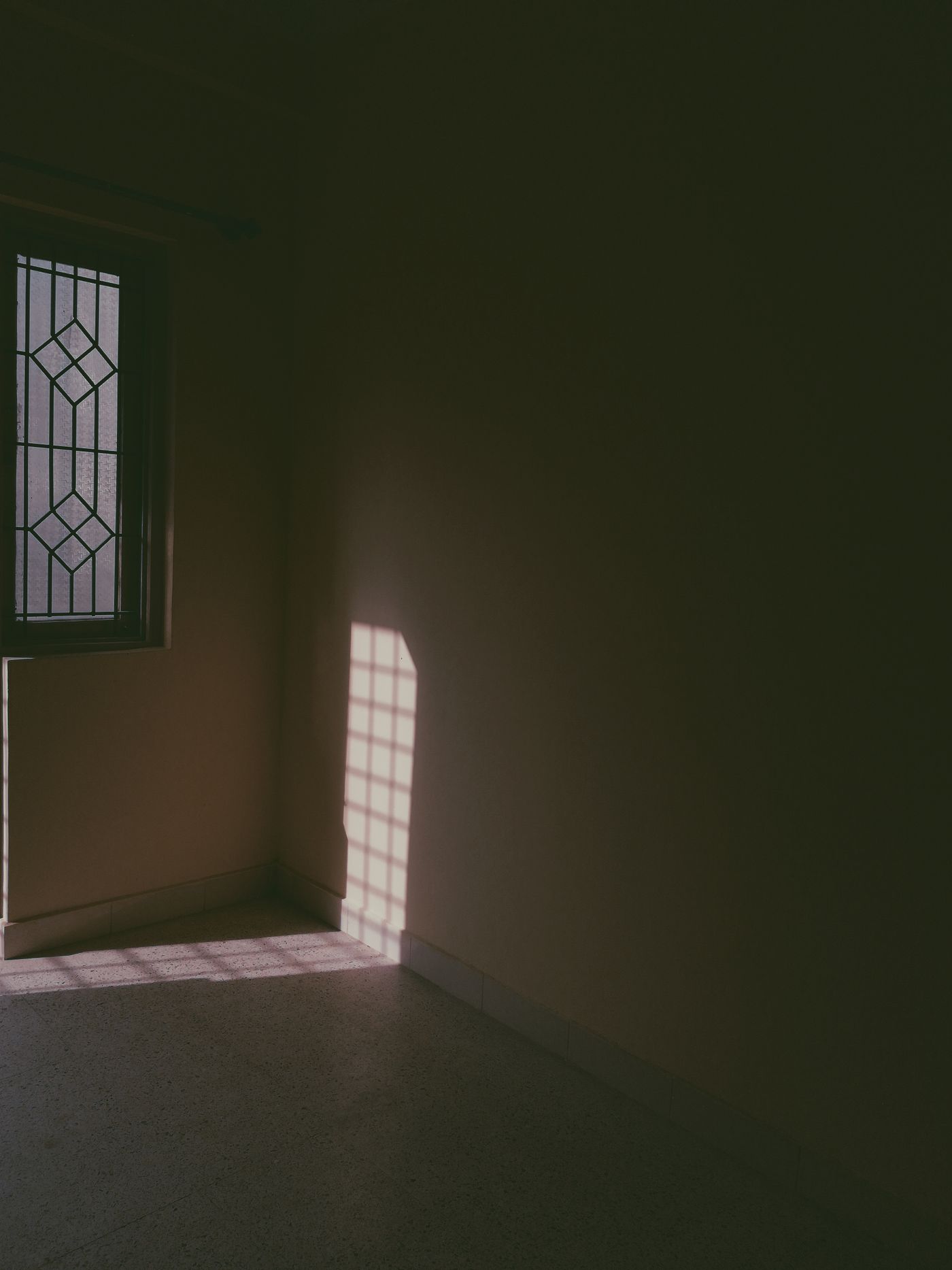
The strangest and most useful fact about silence, though, is that it may not exist. In 1951 John Cage entered an anechoic chamber at Harvard expecting to experience nothing at all. Instead he reported hearing two sounds, one high and one low, which the engineer explained as his own nervous system and his own circulating blood. Whether the physiology of that explanation is exactly right has been debated since, but the conclusion Cage drew from it changed music. There is no such thing as an empty acoustic space. There is only the question of what you have stopped covering up. Two years later he wrote the piece known as four minutes thirty three seconds, in which no notes are played and the audience is left with the room.
The acoustic ecologist Gordon Hempton took the same insight outdoors and made a career of it. His One Square Inch of Silence project, based in the Hoh Rainforest in Olympic National Park, defends a single marked spot on the grounds that if you protect one square inch from human noise you necessarily protect many square miles around it. His central claim is bleak and worth repeating: places in which you can sit for even fifteen minutes without hearing a human made sound have become genuinely rare, and are getting rarer. Natural quiet, he argues, is an endangered resource in the literal sense.
Jakarta has its own acoustic signature, and anyone who lives here can read it without instruments. There is a floor of traffic that never fully drops away. There is construction, which in this city is a permanent condition rather than an event. There is the neighbour's television, the motorbike threading the gang, the vendor's call, the generator, the rain when it comes hammering onto zinc. Real quiet here is not found, it is purchased vertically: a higher floor, thicker glazing, a unit at the back. In a dense tropical city, quiet is simply another word for altitude and money.
So we have started buying it individually, by the unit, and wearing it. Noise cancelling headphones are one of the most quietly revolutionary consumer objects of the last twenty years, and their proposition is remarkable when stated plainly: several hundred dollars for a private acoustic zone you can carry. Millions of people now walk around inside a purchased silence. It works, and it is a genuine mercy on a long flight.
But bought quiet and ambient quiet are not the same substance, and the body seems to know it. Cancelled noise has a pressure to it, a sealed quality, the faint sense of being held slightly apart from the world rather than at rest within it. You are insulated, which is not the same as calm. Anyone who has taken the headphones off after four hours and felt the room arrive like weather understands the difference.
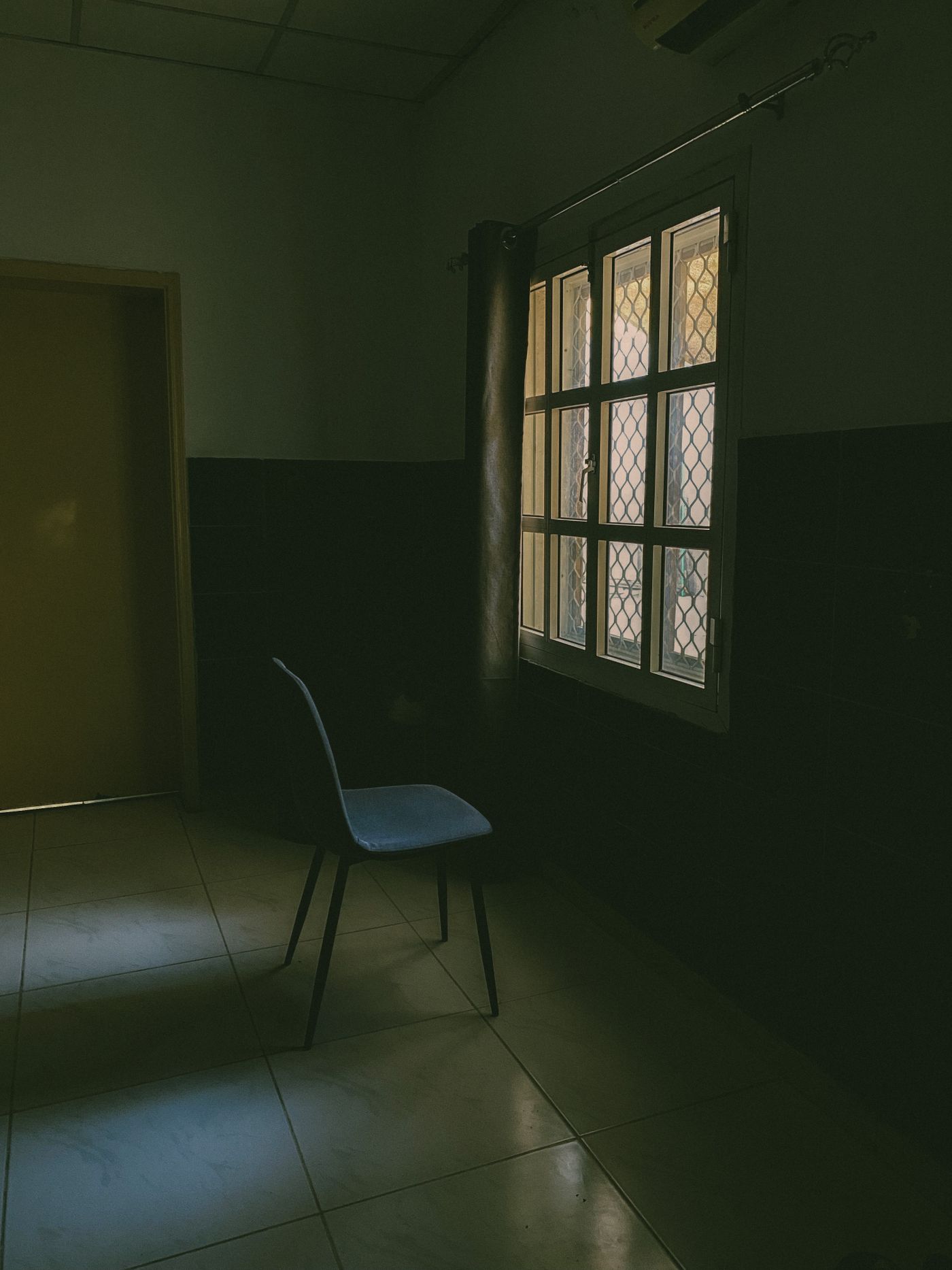
There is one more cost, and it is the reason this belongs in a fragrance house's journal at all. You cannot smell well in a loud room. Attention is a single budget spent through several windows, and when the ears are working hard the nose gets what is left, which is very little. Anyone who has tried to evaluate a fragrance at a busy counter, under fluorescent light with music competing against announcements, has experienced this as a kind of sensory static. The listening bars understood the principle from the other direction: control the sound and everything else in the room sharpens, including the drink in your hand.
The good news is that the cheapest quiet available to anyone is not acoustic at all. It is temporal. The hour before a city wakes is free, reliable and available to everyone, and it is quieter than any amount of glazing will make your apartment at two in the afternoon. The library still exists. The mosque courtyard midweek is empty and cool. A rooftop at five in the morning costs nothing. Time of day is the poor man's soundproofing, and it works better than the expensive kind.
Which leaves the uncomfortable part. Most of the noise in a modern life is self administered. The podcast in the shower, the video propped against the plate at dinner, the music for a ten minute walk, the second screen during the first screen. We have filled every remaining gap on purpose, trained ourselves to find unfilled time slightly unbearable, and then complained that silence has become a luxury good. Some of it genuinely has been taken from us by traffic and aviation and construction. A great deal of it we handed over voluntarily, for free, in exchange for never being bored.
The cheapest quiet you will ever own is the twenty minutes you refuse to fill. No purchase, no altitude, no glazing. Put the thing down, let the room be whatever it is, and find out what is underneath the covering. Cage was right that you will not find nothing. You will find that something has been playing the whole time, at a volume you had stopped being able to hear.