Taste
The other loves of the house
We gathered here because of fragrance, but nobody arrives from nowhere. One of us came from records, one from the kitchen, one from the cinema seat, one from the badminton court. This is where the house keeps its other loves: the things we cared about before perfume found us, and care about still.
Nothing arrives from nowhere
Taste is not bought whole. It is assembled slowly, out of everything a person has already loved: the record that played in a parent’s car, the first coffee that tasted of somewhere, the film watched three times in one week. By the time anyone reaches perfume, they are already carrying all of it.
This journal is the house admitting that. We make fragrance, but we were not born in a laboratory. We came from kitchens, courts, cinemas, record shops and long bus rides, and those rooms still decide what we find beautiful. What follows is a contents page of those earlier loves, kept in fourteen standing sections and written in the house’s own pace.
Even the colors on this page are borrowed from the workbench: teak, pewter, brass, indigo cloth, walnut, velvet, linen, verdigris, raw silk, smoked oak, steel, titanium, zinc and copper. One material for each section. Read it the way you would walk a market: no order, no obligation. Stop where something smells familiar.
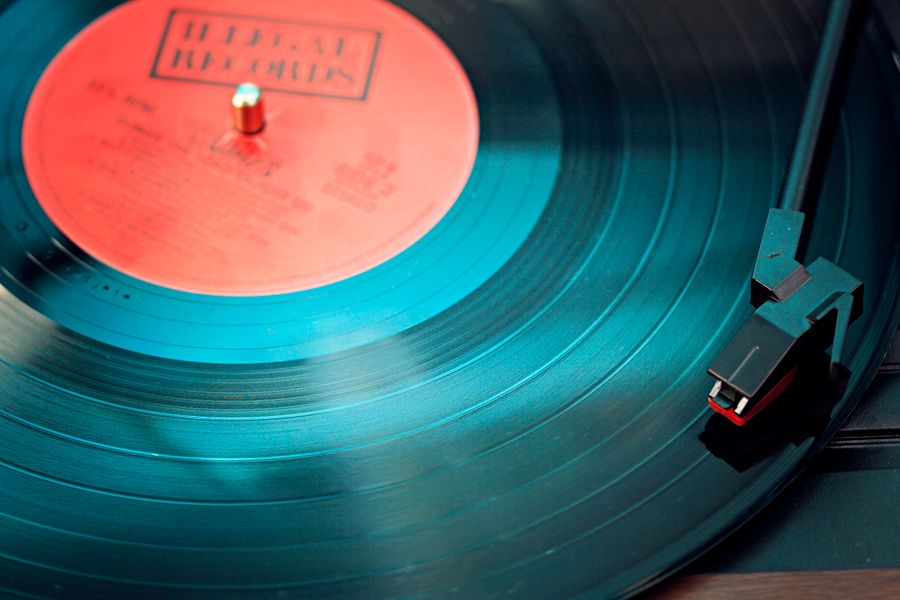 The feature · Sound · Walnut
The Listening Bar Arrives
Vinyl, serious speakers, and the radical idea of not talking. Tokyo’s jazz kissa format lands in Jakarta’s loudest hours.
Read the feature
The feature · Sound · Walnut
The Listening Bar Arrives
Vinyl, serious speakers, and the radical idea of not talking. Tokyo’s jazz kissa format lands in Jakarta’s loudest hours.
Read the feature
People who make things→
Makers who are not perfumers: dyers, weavers, potters, smiths. What a lifetime at one bench teaches.
Things worth owning slowly→
Verdicts after years, not weeks: the knife, the lamp, the notebook. Judged the way the house judges materials, by how they age.
Taste, literally→
Coffee from Gayo and Toraja, sambal, kaiseki, the long dinner that refuses to end. The sister sense, given its own chair.

Places that stay on the skin→
Journeys kept as sensory records rather than itineraries: Toba at dawn, Yogyakarta in the rain, Seminyak at six a.m.

Records the house wears out→
Jazz at midnight, gamelan at dusk, the album that survives every commute. Music written the way it is actually listened to.
Frames we keep returning to→
Cinema and anime taken seriously: Ozu’s rooms, Kon’s mirrors, the neon forests. What the eye keeps after the credits.

Books doing quiet work on us→
The shelf behind the house: essays, fiction, the philosophy that leaks into the bottles. Reading as slow perfumery.

The body’s own tastes→
Badminton, silat, the sea, the grand prix. Sport as craft, and what the body knows before the mind does.
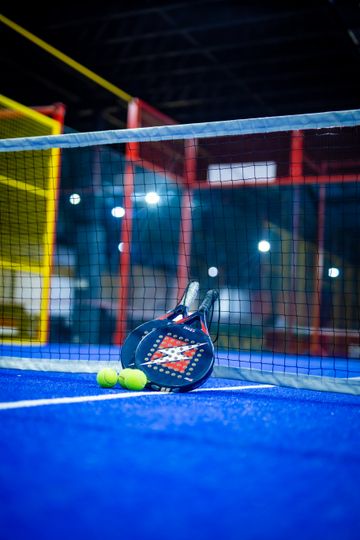
Worn, not displayed→
Cut, cloth and the quiet signals of dress: the trench, the sarong, the suit that agrees with you. Judged by wear, never by season.

Spaces that change you→
Architecture and interiors: the courtyard, the shadow, the room that lowers your voice. What Ando, Bawa and a good kampung house all know.

Cross-subjects, taught gently→
One real subject per lesson, finance to physics, explained through something you can hold. School, without the classroom.

Technology, examined slowly→
The machines that run the day, taken apart without worship or panic: the AI age, the feed, and what they cannot sense.

The tropics' real clock→
Rain on hot ground, the roar on the roof, two winds and a gold hour. The climate as calendar, and what it does to a nose.
Ceremonies of the ordinary day→
The barbershop, the bath, the first incense: small liturgies, done properly, that keep a day upright.
Everyone here came from somewhere: a court, a kitchen, a record shop. The Interviews is where we sit with people and ask about the loves that made them. Join one, and let the house write your world into the journal.
Join the interview