
The Monsoon Calendar
Two winds organize the archipelago's year. Planting, sailing, festivals, and the Javanese calendar that read the sky in twelve seasons.
The tropics are routinely accused of having no seasons, usually by visitors from places where seasons mean owning four wardrobes. The accusation misreads the calendar. The archipelago has two great seasons and a dozen small ones, and they are organized not by the sun's angle but by wind. From roughly November to March the northwest monsoon carries the wet season: the angin barat, the west wind, hauling water off the Indian Ocean and the South China Sea and dropping it on the islands in the afternoon performances this section keeps writing about. From May to September the trade winds reverse into the dry southeast monsoon, the angin timur, blowing up from the Australian continent with almost nothing to give. Between them sit the pancaroba, the unstable transitions, when the sky cannot decide and everyone's grandmother predicts illness.
The word monsoon itself is trade cargo, from the Arabic mawsim, season, carried into European languages by the sailors who lived by it. And living by it was precise business: the entire Indian Ocean world ran on the schedule the winds enforced. Our Melaka essay told that story from the harbor's side, merchants waiting months for the wind to turn. This essay tells it from the sky's side: the monsoon was the world's first shipping timetable, published annually by the planet, canceled never. Fleets from Gujarat, junks from Canton, pinisi from Sulawesi, all moving on the same celestial schedule, which is why the old ports all grew where the schedule said wait here.
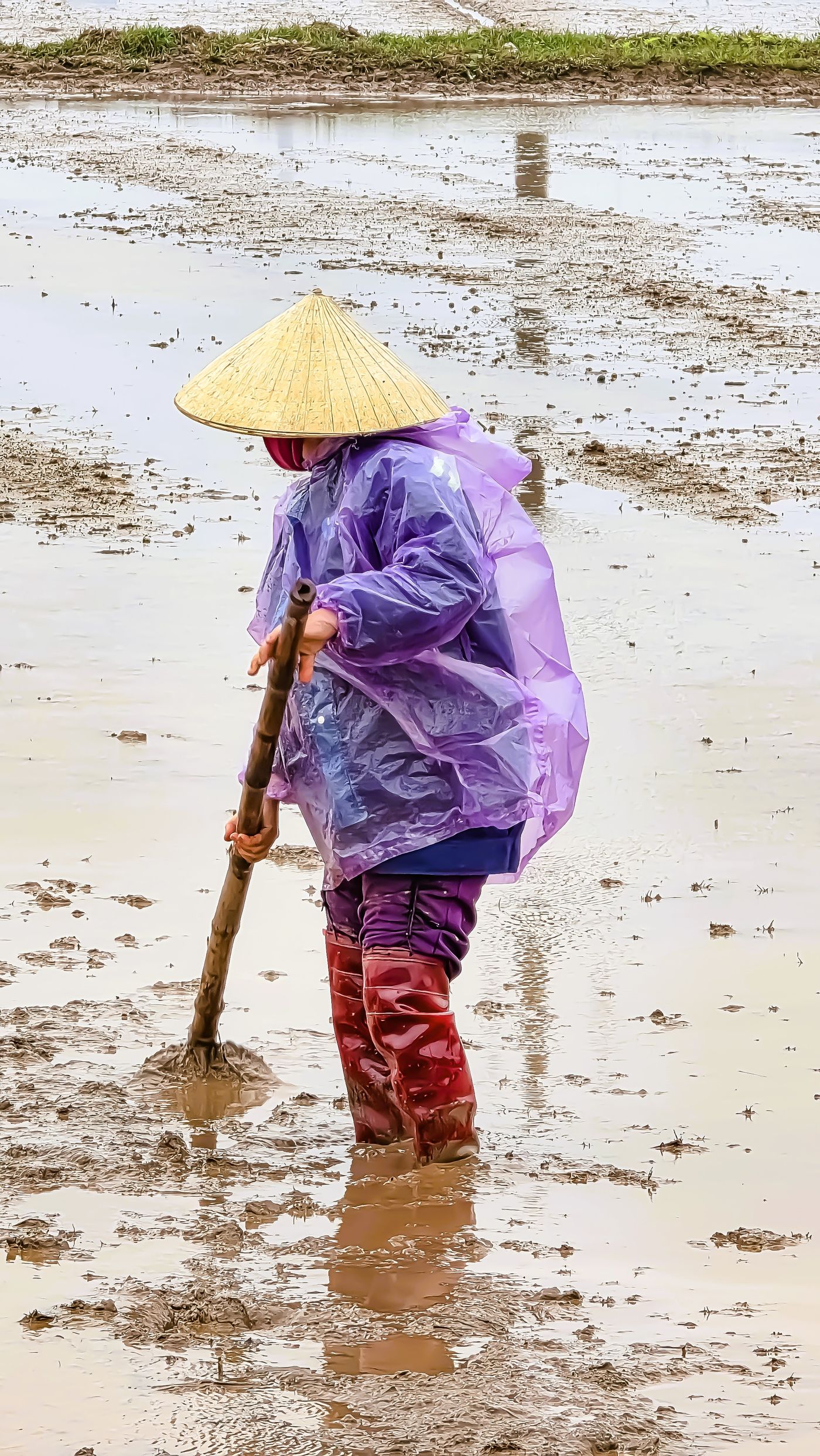
Java refined the sky-reading into one of the great agricultural instruments of the pre-modern world, the pranata mangsa, the ordering of seasons: twelve mangsa of unequal length, each tied to natural signs rather than dates. A season when the kapok pods burst. A season when certain insects sing. A season when the dry teak forest drops its leaves, when the first storms stand up in the west, when the rice can go into flooded ground. Farmers did not consult a printed calendar; they consulted the world, which cannot misprint. The system encoded centuries of correlation between sky, plant, and pest into a form a village could hold in memory, and modern agroclimatology, returning with satellites, keeps finding the old boundaries were drawn approximately where the data says they should be.
The kitchen and the festival calendar ride the same winds. Salt farmers make salt in the dry months and surrender the pans to rain for the rest of the year. The fish dry on racks in the timur wind; the krupuk crisps; the cloves and copra and coffee of the outer islands all cure on the dry season's schedule, which is why our Toraja and Gayo essays are, meteorologically read, dry-season documents. Even celebration obeys: the great temple festivals, the weddings, the village harvests cluster in the reliable months, because the archipelago learned long ago not to schedule joy against the west wind.
A perfume house on this archipelago is a monsoon business whether it advertises it or not. Patchouli and vetiver harvests track the seasons; distillation in the producing villages waits for dry weather; maceration in a humid wet-season studio runs at a different tempo than in the parched months, and the house's lab notes are, in effect, weather diaries with formulas attached. Even the wearing of perfume follows the winds: the wet season's humidity amplifies every base note, the dry season's heat burns through top notes by noon, and the house composes knowing its customers live inside this calendar too. Twelve mangsa, twelve sections on the hub page: the numerology is a coincidence the house has decided to enjoy.
Climate change is rewriting the timetable, and the essay owes the fact its space. The pancaroba stretch longer and stranger; the wet season arrives late and leaves violently; the pranata mangsa's natural signs are drifting off their ancient correlations, and the farmers who kept the old calendar are now the first to testify that the sky has changed publishers. The house does not have a policy prescription to offer from a perfume bench. It has only the observation that a civilization's oldest instrument, the sky read carefully, is reporting turbulence, and that people who live by calendars notice before people who live by air conditioning.
The takeaway, in this section's usual homeward turn: learn your own winds. Every place has a monsoon calendar in miniature, the month the light changes, the week the rain becomes reliable, the season the kitchen shifts, and knowing it is the difference between living in a place and merely being stored there. The archipelago's gift to its residents is that the calendar is legible: two winds, a dozen signs, one sky doing its enormous scheduled work. Read it the way the farmers did. The world cannot misprint.