
Soft Power Is Made of Small Things
Not embassies and campaigns, but convenience stores, passports, uniforms and trains that arrive. How a country becomes liked, and why the countries that try hardest usually fail.
Joseph Nye gave the idea its name in 1990 and its full argument in 2004: soft power is the ability to get what you want through attraction rather than coercion or payment. A country with hard power makes you do things. A country with soft power makes you want to do them, which is cheaper, slower and considerably more durable. What Nye did not fully anticipate is how thoroughly governments would misunderstand the mechanism once they decided they wanted some.
The misunderstanding is always the same. A ministry concludes that the nation has an image problem, commissions a campaign, buys advertising, produces a logo and a hashtag, and waits. Almost nothing happens. Meanwhile a country that ran no campaign at all becomes globally beloved because of a convenience store, a cartoon, a pop group and a train timetable.
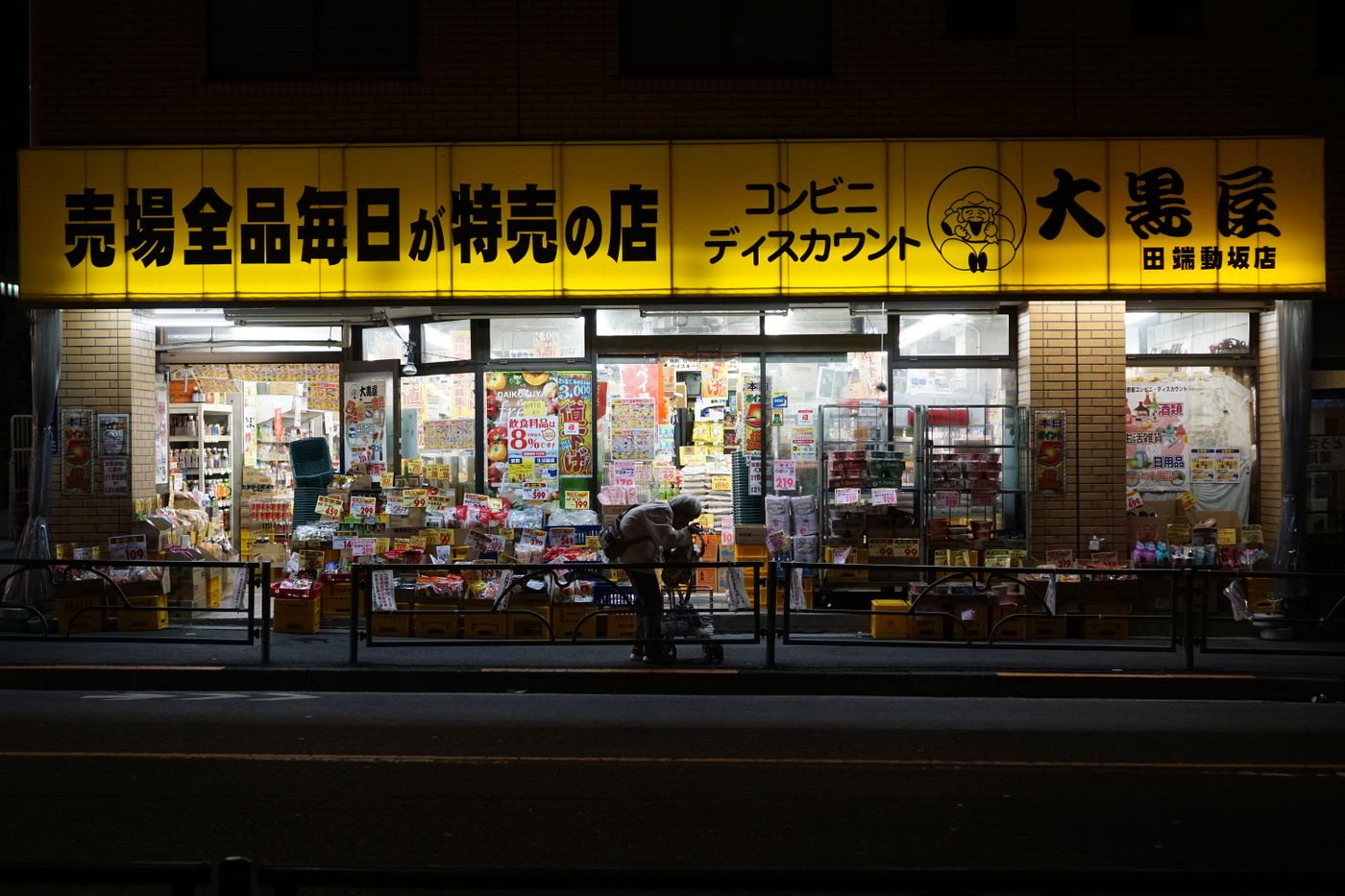
Japan is the clearest natural experiment, because it ran both strategies simultaneously. The official one, Cool Japan, launched with a state backed fund in 2013 to promote Japanese culture abroad, and has been criticised repeatedly at home for losses and for a certain deafness about what foreigners actually admire. The unofficial one required no ministry: anime, the konbini, Muji, Uniqlo, ramen, stationery, the shinkansen's absurd punctuality, and the widely reported behaviour of Japanese football supporters cleaning the stadium after matches. That second list did more for Japan than any fund, and almost all of it is made of ordinary objects and ordinary conduct executed unusually well.
Korea is the counterexample that complicates the story, because there the state genuinely helped. Public agencies have supported content export for decades with real money and, crucially, without demanding that the content flatter the country. Nobody in the culture ministry asked for Parasite, a film about class humiliation that took the Palme d'Or in 2019 and Best Picture in 2020, or for Squid Game, which is about people so indebted they will die for a chance at solvency. Korea's soft power came from work that was permitted to be critical, dark and strange. That permission is the policy. The moment a state insists its exports be promotional, they stop working.
France institutionalised attraction earlier than anyone, through the Alliance Française and through a persistent argument that French daily life is itself a cultural achievement. In 2010 UNESCO inscribed the gastronomic meal of the French on its intangible heritage list, which is a remarkable diplomatic manoeuvre when you think about it: a country persuaded an international body to certify its lunch. Britain's version is the BBC World Service, which has bought more goodwill per pound than any campaign in the country's history, largely by being useful and reasonably honest in places where neither is guaranteed.
Thailand's contribution is the most concrete and the most copied. In the early 2000s the government actively encouraged the opening of Thai restaurants abroad, with support for training and sourcing, on the explicit theory that a person who loves the food will eventually be curious about the country and may well visit it. It worked. There are now Thai restaurants in towns that could not place Thailand on a map, and the term gastrodiplomacy exists because of it. The instrument of foreign policy was a green curry.
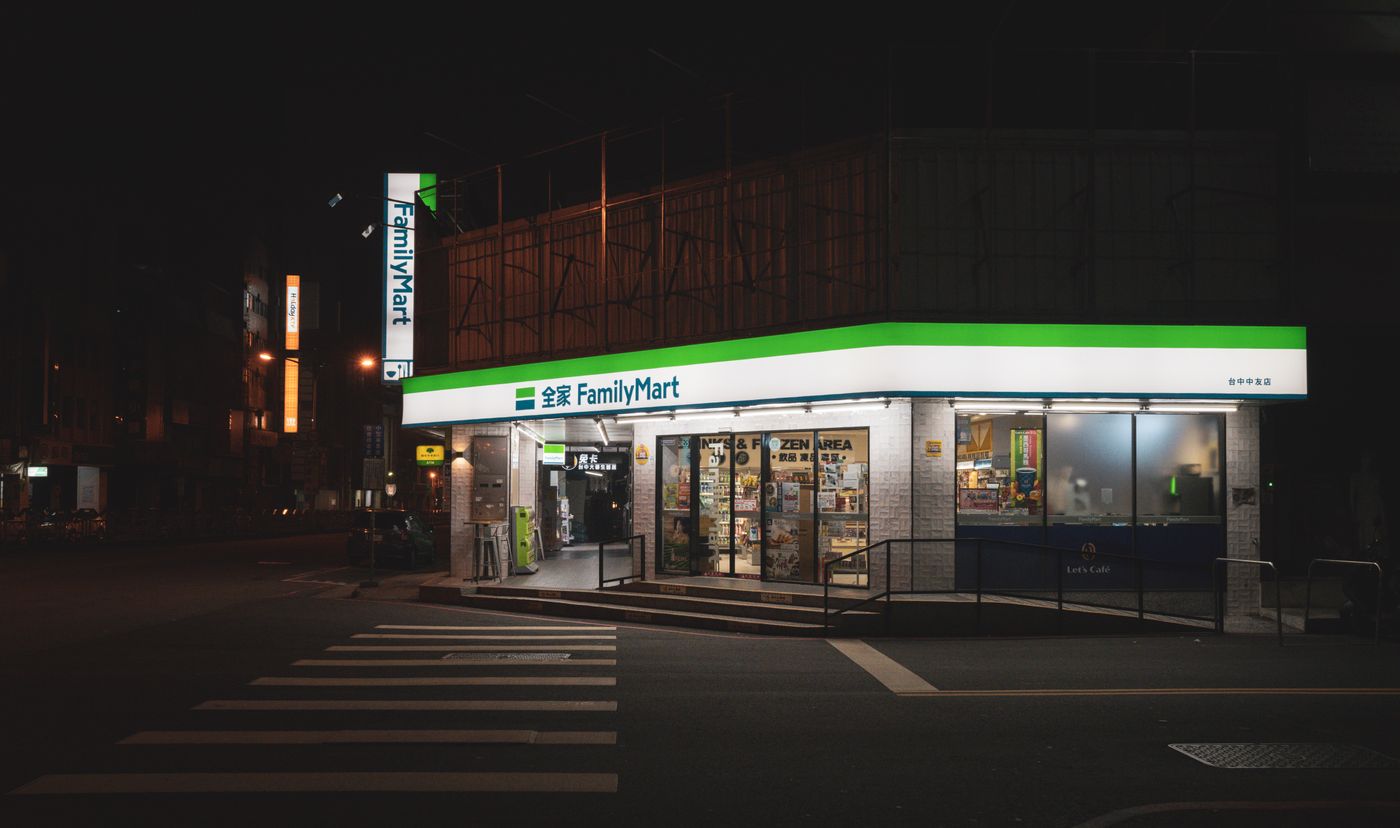
What unites the successful cases is that the unit of soft power is small, physical and repeated. It is a passport that is nicely printed. A train that arrives when it said it would. A national carrier whose uniform was designed by someone serious. A convenience store where the food is genuinely good at two in the morning. A public broadcaster that does not lie. None of these is a message. Each is a piece of evidence, and a foreigner encountering thirty such pieces over a decade forms a conclusion no advertisement could have installed.
Which brings the argument to Indonesia, and to an uncomfortable asymmetry. Few countries hold a stronger cultural hand. Batik was inscribed by UNESCO in 2009 and gamelan in 2021. The food is, by any reasonable measure, among the most interesting on earth. The textile traditions alone would keep a European nation in soft power for a century. And yet the global brand of Indonesia remains thin, to the point where Bali is more famous than the country it belongs to, and a meaningful number of visitors do not connect the two.
The gap is not a shortage of culture. It is a shortage of exported artefacts. Thailand put its cuisine in fifty thousand foreign kitchens. Japan put its stationery on every design desk in the world. Korea put its stories on every screen. Indonesia has largely kept its best material at home, or exported it as raw ingredient rather than as finished object with a name attached, which is the difference between supplying the world and being known by it.
That distinction matters for anyone making things here, and it is not a patriotic flourish. When an Indonesian house sends out a bottle that is unmistakably from somewhere, made by someone, carrying a story a stranger can repeat, it is doing precisely the work that ministries attempt with campaigns and rarely achieve. A single object in a stranger's hands, in a country you will never visit, argues for the place it came from every time it is opened.
Nye's original point contained a warning that gets omitted from the enthusiastic version. Soft power cannot be manufactured on demand, and it cannot survive a gap between the story and the reality. A country that markets hospitality while treating visitors badly at the airport, or sells craft heritage while its artisans are paid nothing, is not building attraction. It is accumulating a debt that comes due the moment someone arrives and looks around.
The only reliable strategy, then, is unromantic. Make the small things well, make them consistently, let them travel, and do not explain them too much. Attraction is a residue, left by objects and conduct over years, and no campaign has ever produced it. The countries everyone admires did not decide to be admired. They decided to be good at something specific and then let people find out.