Jazz
The Listening Room
A kissa in the corner of the house. One genre, poured slowly: jazz, its people, its instruments, its dialects, its passport and its children. The record is on Spotify. The attention is yours.
 The Listening Room · After hours
Albums are built in order. The second-to-last track is usually the reason the album exists, and the shuffle button never finds it.
One record heard properly teaches more than a playlist skimmed. In this room, depth beats breadth every time.
Borrowed from the Tokyo kissa and enforced by honor. A screen is a sound the whole room can hear.
What does tonight need?
Tell the room the weather and it will pull the record. One press, one door.
Start here
What is actually happening
The sketch. Piano and bass murmur out of tempo, like the band deciding whether to begin. This was mostly improvised on the spot.
The head. The bass states the melody, the horns answer with two chords: so what. That call and answer is the whole tune. Everything after is commentary.
Miles. Listen to the cymbal crash as he enters, the most famous single cymbal hit in jazz, then count how much silence he leaves. He plays two choruses and wastes not one note.
Coltrane. The opposite philosophy in the same song: torrents where Miles left air. One solo, two religions, and the drummer adjusts the weather behind each.
Adderley, then Evans. The alto splits the difference; then the piano solos while the horns breathe the two-chord answer behind him, the tune commenting on itself.
The head returns, quieter, and the song walks out the way it came in. Nine minutes, two chords. Now you have heard a jazz performance, not just played one in the background.
First five records
For someone who has never sat in the room. In this order, on purpose: each one teaches the ear something the next one needs.
Kind of Blue · Miles Davis
The door. Calm enough for a first listen, deep enough for a five-hundredth. Learns you: space.
OpenGetz/Gilberto · Stan Getz & João Gilberto
Proof that jazz can whisper in Portuguese. Learns you: melody, and the art of barely singing.
OpenMoanin’ · Art Blakey & the Jazz Messengers
The groove record: gospel chords and a backbeat you already know from a hundred samples. Learns you: swing.
OpenChet Baker Sings · Chet Baker
The 2 a.m. record. Learns you: phrasing, and why restraint can wreck you worse than power.
OpenA Love Supreme · John Coltrane
The summit. Save it for last and give it a whole evening. Learns you: what the other four were preparing you for.
OpenOn rotation
The Pairings
The house's bottles were half-raised on this music; several are named for it. Wear one, play the other, and let the two dry-downs finish together.
Kind of Blue. The obvious marriage, and the reason the bottle carries his name: blue, muted, unhurried, all space.
PlayColtrane’s My Favorite Things. A waltz turned into a fourteen-minute spell. The bottle and the record share a name and a lesson: the familiar, transformed.
PlayChet Baker Sings. Blue on blue: the serenade in the name, sung at confession volume at two in the morning.
PlayWaltz for Debby, Bill Evans. Chamber elegance with a swing hidden in the frame. Powder and candlelight, both of them.
PlayBitches Brew. The ancient material wired into the electric future, exactly what Miles did to the band in 1970. Play loud.
Play
The Masters
Thirteen names the house keeps in its Index, each with a first door. Dates are for context; the records do not age.
Miles Davis
He reinvented the music five times, from bebop to cool to modal to fusion, and whispered where everyone else shouted, often through a Harmon mute that turned the loudest horn into a secret. Cool as a discipline, not a pose. Start: Kind of Blue. Then: In a Silent Way.
ListenJohn Coltrane
From sideman on Kind of Blue to the sheets-of-sound years to the four-part prayer of A Love Supreme, all in one decade. A saxophone turned into devotion, searching higher and harder until the horn became a voice. Start: A Love Supreme. Then: Giant Steps, for the mountain.
ListenThelonious Monk
He played the wrong notes on purpose until they became the right ones, danced beside the piano mid-song, and wrote a songbook, Round Midnight, Blue Monk, Straight No Chaser, that the whole genre still studies. Start: Monk’s Dream. Then: the solo recordings.
ListenBill Evans
Chords voiced like watercolour, the trio turned into a conversation among equals, and the harmonic language of Kind of Blue, much of it his. The most introspective sound in the music. Start: Sunday at the Village Vanguard. Then: Waltz for Debby.
ListenDuke Ellington
Half a century leading the greatest orchestra in the music, writing not for instruments but for the specific people holding them. Two thousand compositions, and a category refused: beyond category, his words. Start: Ellington at Newport. Then: Money Jungle, with Mingus.
ListenCharles Mingus
Composition with the sweep of Ellington and the rage of the streets: gospel shouts, protest pieces, bass lines that refuse the background. Music that argues, weeps and swings at once. Start: Mingus Ah Um. Then: The Black Saint and the Sinner Lady.
ListenWes Montgomery
He played with his thumb instead of a pick, a warmth no one has recovered since, and built solos in three acts: single lines, then octaves, then full chords, each chorus a floor higher. The reason jazz guitar exists as a language. Start: The Incredible Jazz Guitar. Then: Smokin’ at the Half Note.
ListenAhmad Jamal
The master of space, who taught Miles that the notes you refuse are the loudest, and made an empty bar swing at the Pershing in 1958. This journal wrote him a full letter. Start: At the Pershing.
ListenNina Simone
Classically trained, jazz by circumstance, she bent every song to her will, Broadway, blues, protest, and made each one a statement with that timing that arrives a breath behind the beat. Start: Pastel Blues. Then: the live recordings, where the room holds its breath.
ListenChet Baker
A horn and a voice both so soft they sound like a confession, beautiful and doomed in equal measure. The West Coast’s answer to bebop’s fire: vulnerability, held at conversational volume. Start: Chet Baker Sings.
ListenAlice Coltrane
She took the music toward the spiritual and the eastern after John’s death: harp glissandi, tanpura drones, Vedic chant, music that opens rather than performs. Decades ahead of where listening has only now arrived. Start: Journey in Satchidananda.
ListenSun Ra
He claimed Saturn as a birthplace, led an Arkestra in robes for four decades, and treated the synthesizer as a spaceship years before rock found it. Jazz as philosophy, theatre and prophecy at once. Start: Space Is the Place. Then: Lanquidity, at night.
ListenPharoah Sanders
A tenor that could roar like weather and then turn to pure tenderness, carrying the spiritual fire through five decades and closing his life with Promises, one of this century’s most beautiful records. Start: Karma. Then: Promises, and float.
ListenThe Instruments
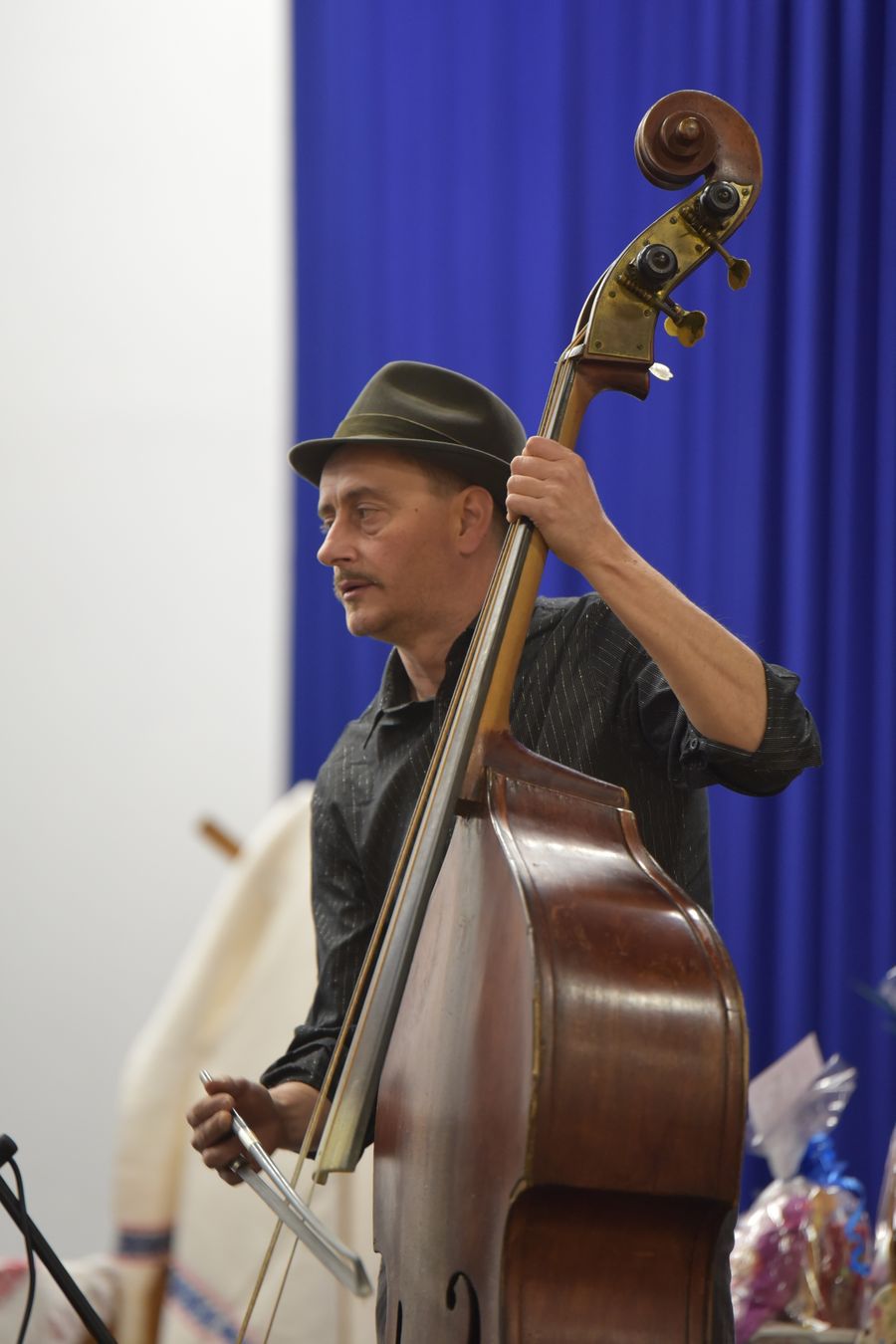
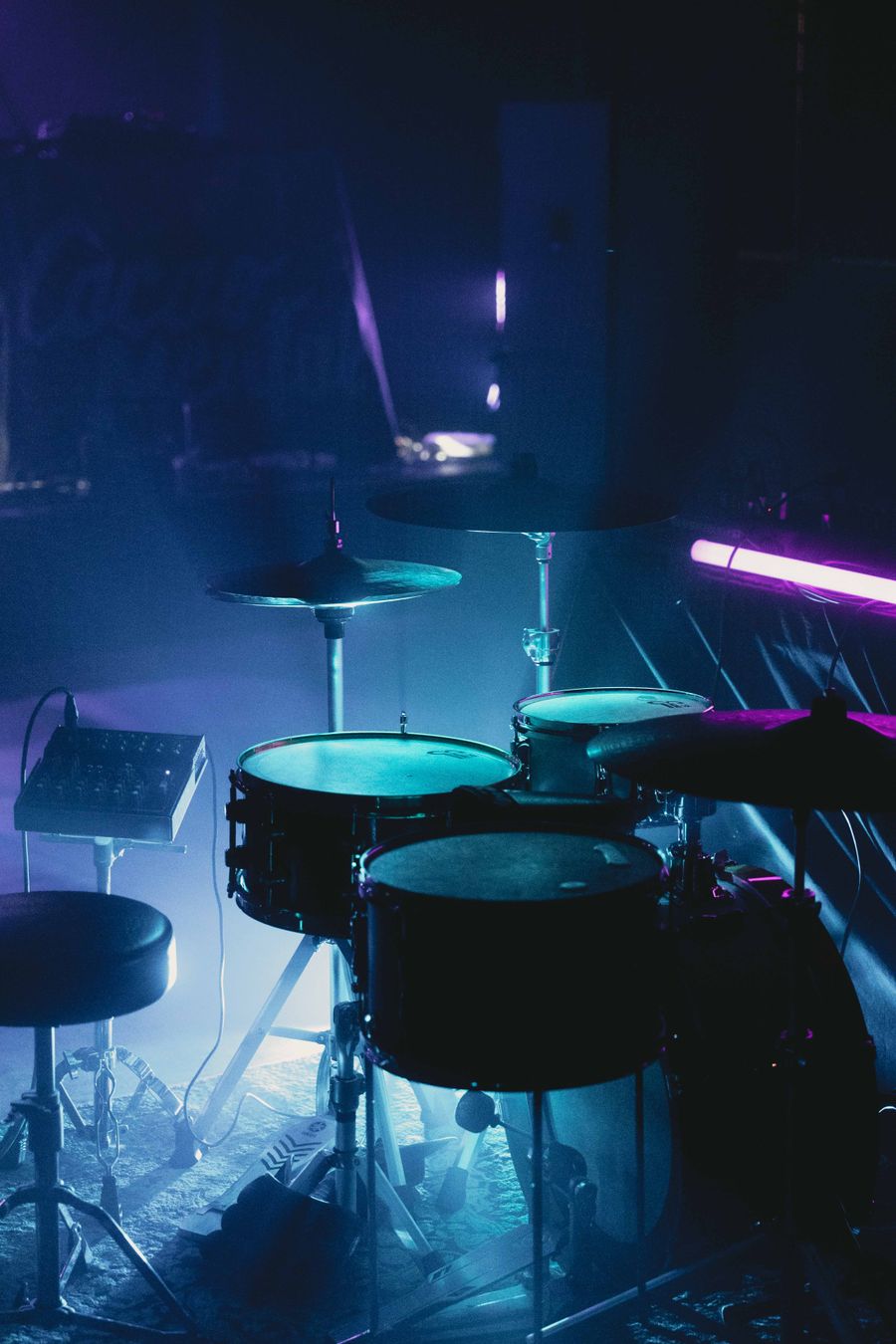
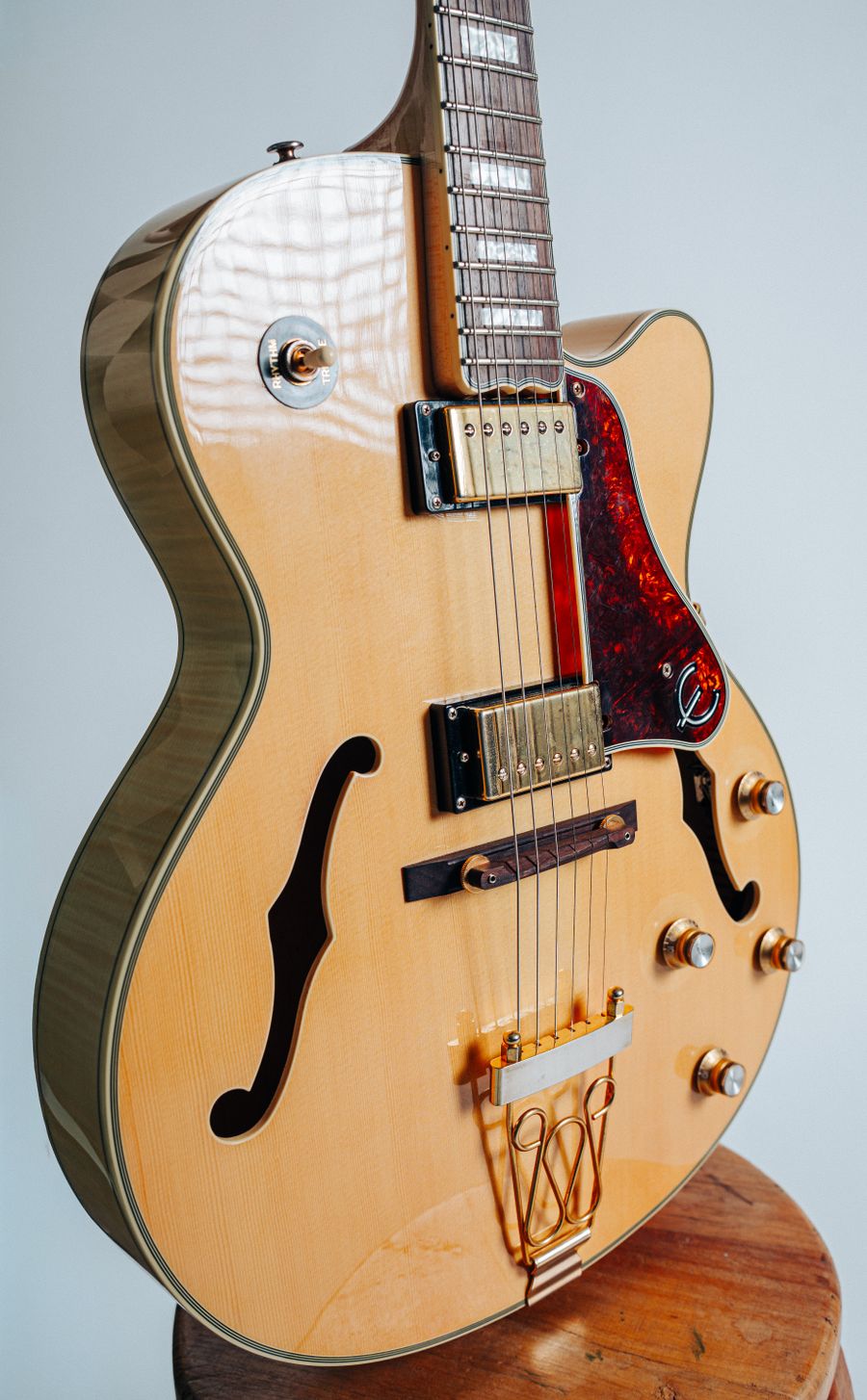
What each voice actually does in the band, and what to listen for once you know. Learn these seven roles and every record on this page opens up.
Trumpet
The lead line, the announcement, the argument. Brash by design, which is why the mutes matter: the Harmon turns it intimate, the plunger makes it talk. Listen for: how Miles uses silence around the horn, and how Dizzy fills the same space with fireworks. Same instrument, opposite philosophies.
Saxophone
The closest a machine gets to a voice: it breathes, cracks and pleads, which is why it became the genre’s emblem. Alto is quicksilver, tenor is flesh and blood, soprano is the snake-charmer. Listen for: Coltrane’s sheets of sound against Chet-era cool, the same reed, opposite religions.
Piano
Melody, harmony and rhythm from one chair: the piano frames the room the others walk through. Listen for: comping, the chords placed behind a soloist like furniture moved quietly in the dark, and the difference between Monk’s angles, Evans’ watercolour and Jamal’s air.
Guitar
Chords, lines and rhythm in one lap, but at whisper volume, so jazz guitar became the art of choosing. Charlie Christian plugged it in; Wes Montgomery perfected it with a bare thumb. Listen for: Wes’s three-storey solos, single notes, then octaves, then block chords, each chorus raising the stakes without raising the voice.
Double bass
The walking line that tells your body where the beat lives. When the bass is right you stop noticing it, which is the point. Listen for: Mingus refusing to stay in the background, the floor deciding to speak, and Ron Carter’s walk, sampled into half of hip hop.
Drums
Not a metronome: a climate the band plays inside. Swing lives in the ride cymbal, not the snare. Listen for: the ride’s ting-ting-ta-ting, the actual pulse of jazz, Elvin Jones rolling like the sea behind Coltrane, and Art Blakey’s press roll announcing the next soloist like a curtain.
Voice
Scat turned the singer into a horn; the ballad turned the horn back into a singer. Ella’s precision, Billie’s ache, Sarah’s opera, Nina’s command. Listen for: phrasing, where the singer places the word against the beat. Behind it: confession. Ahead of it: joy.
The Dialects
One music, a century of accents. Read down the column and you have the whole history; each row ends with a door into Spotify.
New Orleans
The birth: brass bands, funeral parades, collective improvisation, everyone soloing at once and somehow agreeing. Armstrong then invents the solo itself, and the modern idea of the individual voice. Door: Louis Armstrong, the Hot Fives and Sevens.
OpenSwing
Jazz as the pop music of its day: big bands, dance floors, radio, Ellington and Basie running orchestras like empires. The last time the whole country danced to the same beat. Door: Ellington at Newport, the comeback that shook a festival.
OpenBebop
The revolt, cooked after hours at Minton’s: small bands, breakneck tempos, harmony built for players instead of dancers. Parker and Gillespie invent the modern soloist and split jazz from pop forever. Door: Charlie Parker, the Savoy sides.
OpenCool
The exhale after bebop: slower, softer, arranged, the temperature of the West Coast. Chet Baker’s whisper, Mulligan’s baritone, and the reason a perfume house keeps a jazz page at all. Door: Birth of the Cool.
OpenHard bop
Bebop with the church and the blues put back in: gospel chords, backbeat, grit, the sound of Blue Note’s golden decade. This is where the guitar of Wes Montgomery and the organ of Jimmy Smith live. Door: Art Blakey and the Jazz Messengers, Moanin’.
OpenModal
Improvising on scales instead of chord changes: fewer signposts, more sky. Born, more or less, on one record, and the door through which jazz reached India, Java and the drone. Door: Kind of Blue, in the Room tab.
OpenFree & avant-garde
The rules removed entirely: energy, texture and courage, played against the decade’s fires. Not background music, and proudly so. Start small, then let Ayler and late Coltrane in. Door: Ornette Coleman, The Shape of Jazz to Come.
OpenFusion
Jazz plugs in: electric pianos, wah pedals, rock drums, funk floors. Miles again, naturally, then his sidemen scatter and found a genre each: Weather Report, Return to Forever, Head Hunters. Door: Bitches Brew, then Herbie Hancock.
OpenSpiritual
The music as devotion: modal vamps, harps, chant, the long ecstatic build. Where the Coltranes went, where Pharoah stayed, and where this century keeps returning, from Kamasi Washington to Floating Points. Door: A Love Supreme, then Journey in Satchidananda.
OpenThe Passport
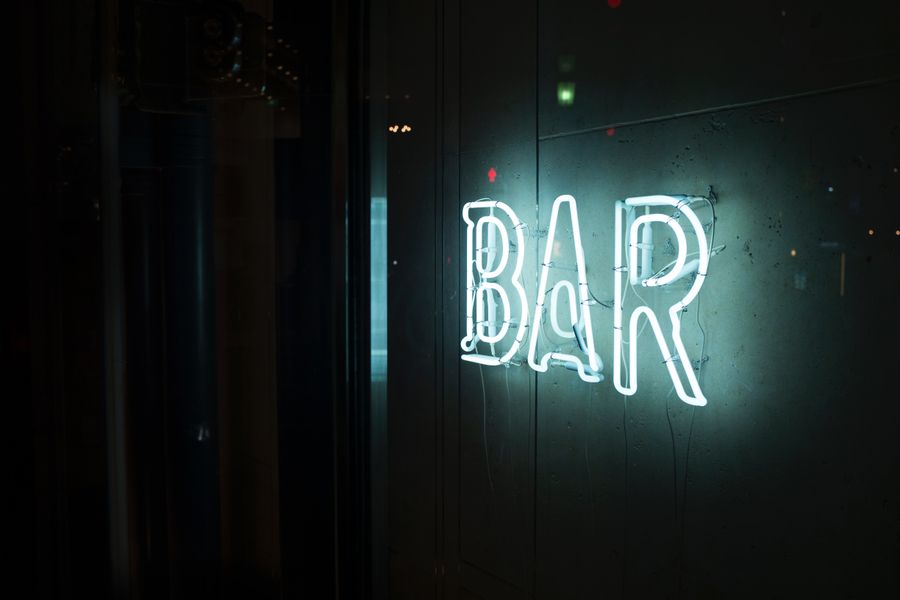
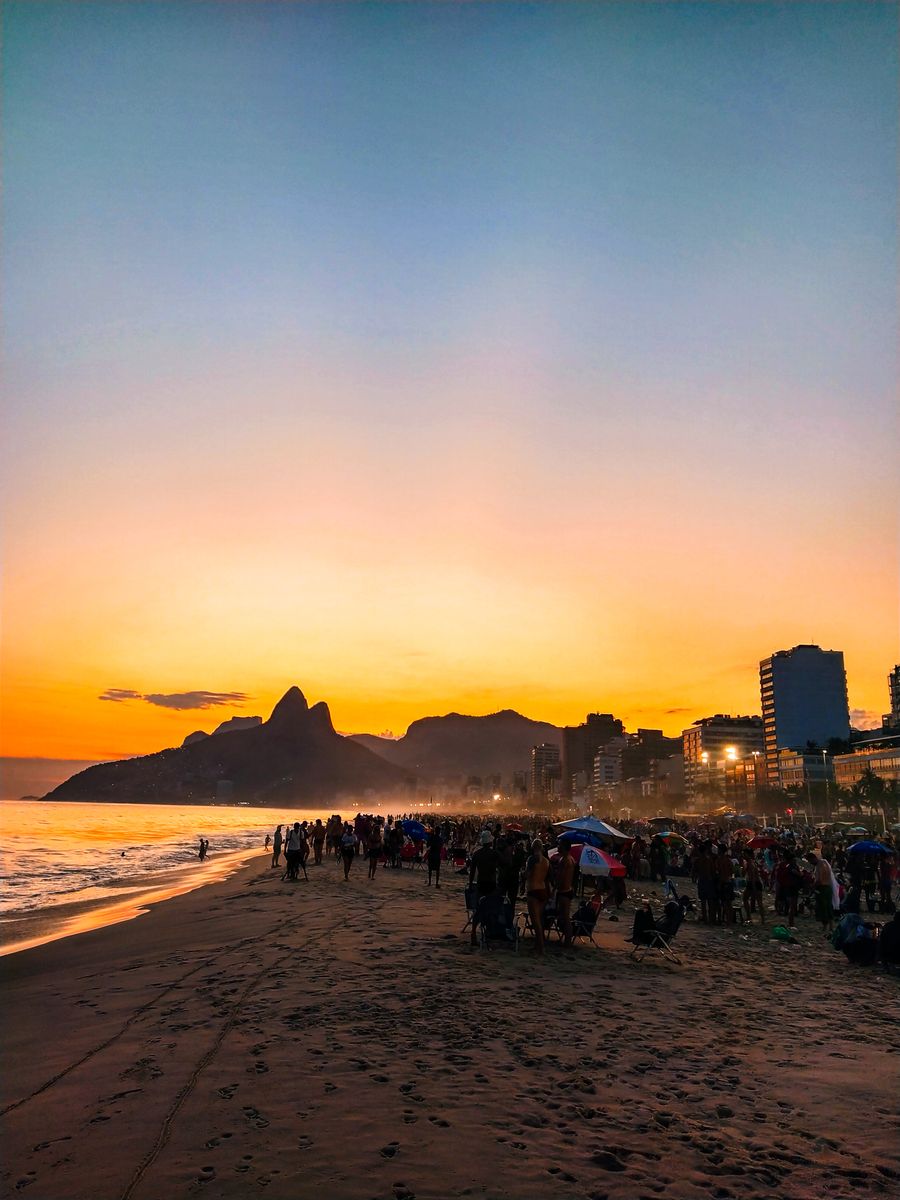
Jazz left America within a decade of being born, and every country that adopted it sent something back. Seven scenes the house keeps returning to, ours included.
J-Jazz & the kissa
The country that took listening itself seriously enough to build rooms for it. Toshiko Akiyoshi conquered the big band, Sadao Watanabe the horn, Masabumi Kikuchi the ballad, and Ryo Fukui’s Scenery, an obscure 1976 record by a Sapporo pianist, became a phenomenon when the algorithm found it fifty years on. Door: Scenery.
OpenBossa nova
Samba slowed to a whisper in Rio apartments: Jobim’s harmony, João Gilberto’s guitar, a voice barely above speech. Getz/Gilberto sold it back to America in 1964 and The Girl from Ipanema became the second most recorded song in history. The gentlest conquest music ever staged. Door: Getz/Gilberto, then Elis & Tom.
OpenThe archipelago swings
From the dance halls of colonial Batavia to Bubi Chen, called Asia’s best pianist by American critics, to Krakatau and Indra Lesmana folding gamelan scales and kendang into fusion. The scene now fills one of the largest jazz festivals on earth, in Jakarta, every March. Door: Indra Lesmana, then Krakatau.
OpenEthio-jazz
Mulatu Astatke studied in London and New York, then wired Ethiopia’s five-note scales into vibraphone grooves that sound like nowhere else on the planet: hypnotic, minor, slightly haunted. Buried for decades, rediscovered by crate diggers and a Jim Jarmusch soundtrack. Door: Mulatu of Ethiopia.
OpenAfro-Cuban & Latin
The clave, the second heartbeat. Machito and Dizzy Gillespie’s Manteca made the marriage official in the forties, Tito Puente took it to the ballroom, and Havana has kept the ceremony going through Chucho Valdés ever since. Jazz’s rhythm section owes this island a permanent debt. Door: Chucho Valdés.
OpenThe northern sound
Jazz filtered through cold air and folk hymns: Jan Garbarek’s glacial saxophone, the ECM label’s famous promise, the most beautiful sound next to silence, and e.s.t. filling rock venues with a piano trio. The Yoshimura listeners already live here without knowing it. Door: Officium, then e.s.t.
OpenThe new wave
A generation raised on grime, broken beat and afrobeat picked up horns: Shabaka Hutchings, Nubya Garcia, Moses Boyd, and Ezra Collective taking a Mercury Prize home to a youth club. Proof the music is not a museum, and never was. Door: Ezra Collective, then Sons of Kemet.
OpenThe Bloodlines
Jazz did not end; it had children. Six lineages running through the music you already listen to, whether you knew it or not.
Hip hop
Jazz is hip hop’s record crate, and the debt runs both directions. A Tribe Called Quest built The Low End Theory on Ron Carter’s actual upright bass; Pete Rock and DJ Premier chopped Blue Note horns into boom bap; Guru’s Jazzmatazz put rappers in front of live players. Then J Dilla loosened the drum machine until it swung like a human, and Kendrick Lamar’s To Pimp a Butterfly hired the whole LA jazz scene, Kamasi Washington, Thundercat, Glasper, closing the loop: the children came home and brought the address book. Door: The Low End Theory, then To Pimp a Butterfly.
OpenR&B & neo-soul
The chords never left. Stevie Wonder’s seventies run is jazz harmony wearing a pop suit; Marvin Gaye’s What’s Going On floats on it; Anita Baker sang standards phrasing over quiet storm. Then neo-soul made the debt explicit: D’Angelo’s Voodoo, recorded loose on purpose, Erykah Badu, The Roots, all extended chords and behind-the-beat time. Robert Glasper’s Black Radio finally put the jazz trio and the R&B singer in the same room and won a Grammy for the introduction. Door: Voodoo, then Black Radio.
OpenPop
The secret is that jazz was pop first: the standards were the chart hits of their day, written for Broadway and radio, and every generation sends someone back for them. Sinatra industrialized the songbook, Amy Winehouse poured it into soul, Norah Jones sold twenty million records of it whispering, and Laufey is currently teaching its chords to a generation that found her on a phone. The bridge never burned; it just changes toll collectors. Door: Amy Winehouse, Frank; then Laufey.
OpenElectronic & house
House music is gospel plus jazz chords at 124 beats per minute. Detroit’s techno pioneers were jazz kids with synthesizers; St Germain put a live band over the four-four and sold the result to every hotel lobby on earth; Kerri Chandler voiced his tracks like a pianist. Today the line runs through Floating Points, whose collaboration with Pharoah Sanders is the century’s proof that the club and the cathedral share a wall. Door: St Germain’s Tourist, then Promises.
OpenLo-fi & anime
Nujabes married jazz samples to hip hop melancholy in Tokyo and scored Samurai Champloo; Yoko Kanno wrote Cowboy Bebop’s soundtrack as a full-blown hard bop record; and their children run the twenty-four-hour study streams half the internet works to. The lo-fi girl at her desk is listening to Blue Note chord changes, three generations removed. This room’s Yoshimura essay is the same story, one shelf over. Door: Modal Soul, then the Cowboy Bebop OST.
OpenRock’s jazz wing
Steely Dan hired the best session jazzmen alive and hid Charlie Parker changes inside FM radio hits; Joni Mitchell made records with Jaco Pastorius and Mingus himself; Radiohead built Everything In Its Right Place out of Bitches Brew’s toolbox and said so. Rock keeps borrowing jazz’s harmony whenever it wants to grow up in public. Door: Aja, then Hejira.
OpenGlossary
Eight words that unlock the listening. Learn them here, hear them everywhere.
Swingn. & v.
The lilt that makes the beat lean forward, eighth notes played long-short instead of even. Unprovable on paper, unmistakable in the body. If your shoulders move, it swings.
The headn.
The tune itself, played at the start and the end. Everything between the two heads is improvisation. Once you know this, every jazz track has a map.
Compingv.
What the piano or guitar does behind a soloist: placing chords like questions and cushions. Short for accompanying, and the highest-paid listening in the band.
Walking bassn.
The bass playing one note per beat, strolling up and down the harmony. The floor of the entire genre, and the part your body follows without asking.
Trading foursv.
Soloists exchanging four-bar phrases, usually with the drummer, like a rally at the net. The most openly playful moment in any set.
Blue noten.
A note bent slightly below where classical music expects it, the flatted third or seventh, carrying the ache. The reason the music sounds like feeling instead of arithmetic.
Vampn.
A short passage repeated as a bed, one or two chords looping while a soloist builds. The engine of modal and spiritual jazz, and of every groove you have ever refused to leave.
Standardn.
A song from the common songbook, Gershwin, Porter, Jobim, that every musician knows, so strangers can play together on first meeting. Jazz’s shared language, and its pop inheritance.
The house makes perfume the way this room plays records: a few voices, given space, trusted to hold your attention without shouting. Same craft, different sense.
Read: The Listening Bar Arrives All Sound pieces