
Padel Ate Jakarta
The glass boxes multiplied overnight. What the city’s new favorite sport says about the city.
They appeared the way bubble tea shops once did: one, then four, then a parking lot near you converted overnight into glowing glass boxes with blue floors. Padel, the tennis-squash hybrid nobody here had heard of three years ago, is now the hardest reservation in Jakarta. Courts book out days ahead. Group chats exist solely to hunt cancellations. Somewhere in this city right now, a person who has never exercised voluntarily in their life is buying a carbon racket.
The why is elegant. Padel flatters beginners: the underhand serve, the walls that forgive your misses, the small court that hides slow feet. A first session produces actual rallies, which is to say actual joy, which is more than tennis grants a beginner in a month. And it is doubles by design, four people in a glass room, which makes it less a sport than a social format that happens to produce sweat.
Cynics call it networking with rackets, and the cynics are not entirely wrong: the courts have absorbed a good share of the golf economy, deals now close at the net, and the outfit business is booming in a way Hypebeast would recognise, court shoes and pleated skirts and monogrammed racket bags moving like sneaker drops. Every boom carries its costume. This one photographs beautifully under the night lights, which is not incidental to its success.
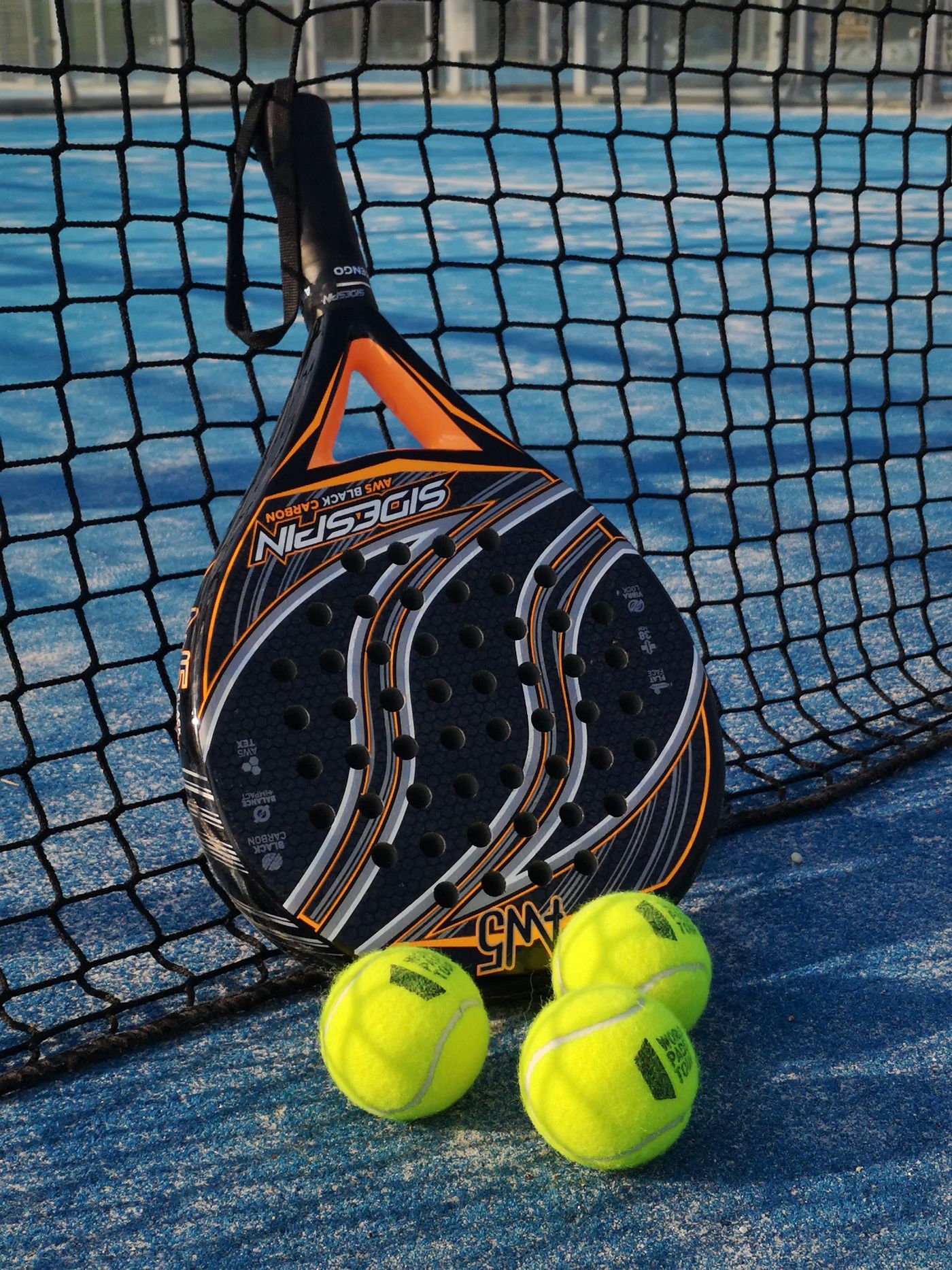
But dismissing it as a trend misses what is actually happening: a generation that treated the body as a delivery vehicle for the laptop is playing again. Playing, specifically, which is different from training. The gym is a negotiation with a mirror. Padel is forty-five minutes in which grown adults laugh out loud, shout unforced apologies, and forget their phones exist inside a glass box that will not let the ball escape. The city’s body needed this more than it needed another gym.
Whether padel holds or goes the way of the fixed-gear bicycle is not really the question. Booms are how this city tries things on. Some stay in the wardrobe, some go to the back of it, and the good ones leave a habit behind after the costume is retired. If what remains in five years is a few thousand people who rediscovered that the body enjoys itself, the glass boxes will have paid their rent. The house measures sports the way it measures scents: not by how they look on the shelf, but by what they leave on the skin.