
Rain on a Zinc Roof
The archipelago's loudest lullaby: on seng, sound, shelter, and the best sleep technology ever accidentally invented.
The material is called seng here, corrugated galvanized sheet, the roof of the kampung, the warung, the workshop, the back kitchen, and probably half the bedrooms this journal's Indonesian readers grew up in. It arrived in the nineteenth century as colonial infrastructure, cheap, light, portable, immune to rot, and stayed to become the sound of the archipelago's weather. Because seng does something clay tile and concrete never will: it plays the rain. Every drop lands as a struck note on a thin steel drumhead nailed over your life, and a proper wet-season downpour becomes a roar so total it cancels the world.
The physics of the lullaby is worth a paragraph. A raindrop hitting thin metal converts its energy to sound far more efficiently than one hitting tile, earth, or thatch, and thousands per second across a roof merge into broadband noise, sound spread evenly across frequencies, which is acoustically close to what engineers generate on purpose and sell as white noise. The roar masks every other sound: traffic, neighbors, the anxious inner monologue. Under it, the nervous system receives two messages at once, enormous energy outside, perfect safety inside, and that gap between the two is, as near as anyone can define it, the feeling called shelter. People buy machines that imitate this. The kampung had it as a side effect of the cheapest roof available.
Every child of the tropics carries the same acoustic memories in local variation. The first heavy drops, spaced and deliberate, each one audible alone, the roof tuning up. The panic minute, someone running for the laundry line, windows slammed, the smell this section's first essay anatomized pouring in through the closing gaps. Then the full roar, conversation abandoned or conducted in shouts and grins, television surrendered, the household involuntarily gathered into one room by sound. And then the long tail: rain easing to a patter, the gutters still arguing, single late drops from the mango tree hitting the seng like a slow clock. Falling asleep inside that sequence, afternoon or midnight, remains one of the deepest sleeps on offer anywhere, and no hotel above three stars can sell it to you, because good hotels insulate the roof.
There is a class dimension, and this journal does not skip those. Seng is poor man's roofing; the aspiration ladder climbs toward tile and flat concrete, and the climb is understandable, metal roofs turn houses into ovens by day and can rust into lace. But each rung up the ladder is also a rung away from the sound, and the nostalgia economy knows it: boutique resorts in Bali now specify metal roofs over the villas for the rain experience, playlists of zinc-roof rain run to eight hours with millions of listens, and the sound the kampung got free is sold back to the successful as atmosphere. Readers of our Veblen essay can complete that analysis without help.
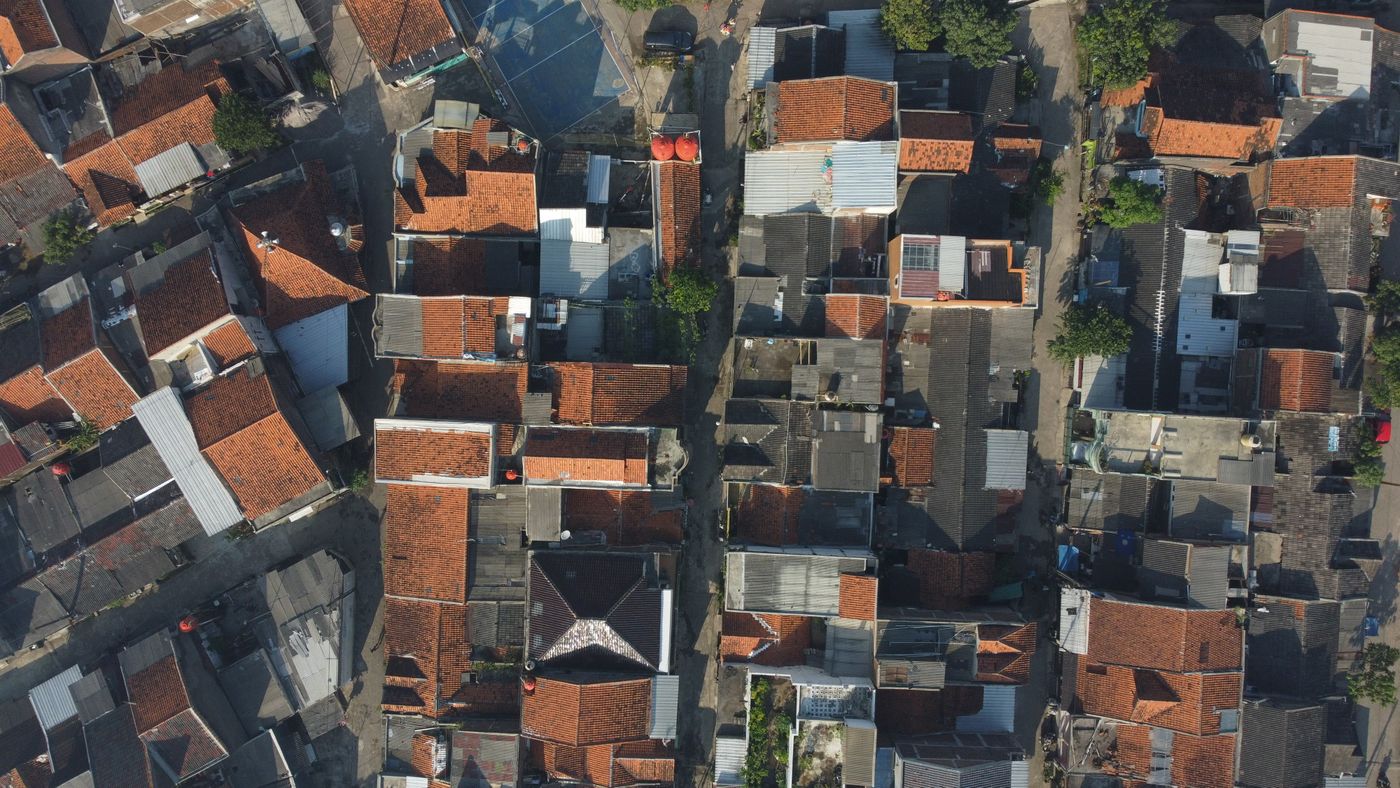
The sound is also a timekeeper. On a seng roof you can hear rain approaching before it arrives, the roar sweeping up the street roof by roof, a wave of applause coming toward you, and you can hear it leave the same way. You can estimate intensity without looking up from your work, plan your exit by ear, hear the exact minute the storm breaks its back. People who grew up under metal can read weather through it the way sailors read wind, and the skill goes dormant, not dead, in apartment dwellers: one night in a village house and the whole vocabulary returns.
For this house the zinc roof is professional equipment of a kind. The Yogyakarta report was drafted under one; several of the house's compositions began as notes scribbled while a storm stood on the studio, because the roar does for concentration what the dim room does for the eyes, it removes the world's claims politely and totally. A perfumer works in silence of the nose's making; rain on seng is the only noise the bench welcomes, perhaps because it is the sound of the same weather the materials remember, the patchouli's monsoon, the vetiver's wet earth, arriving overhead in person.
Practice, as always: the next real storm, put the phone in another room and listen to the whole performance, tuning to tail, as one piece. If your roof is concrete and silent, find a warung when the sky goes dark and order something slow. And if you are building a house somewhere it rains properly, this journal's only architecture advice after Bawa is: whatever the engineer says, leave one room under metal. Cheap material, priceless instrument. The season tunes it for free.