
Petrichor, Explained Properly
The smell of first rain on hot ground has a chemistry, a discovery story, and a reason your nose detects it at parts per trillion.
This journal opens its newest section with the section's founding smell. Everyone on this archipelago knows it: the sky goes heavy, the first fat drops hit a courtyard that has been baking for weeks, and the ground answers with a smell so specific and so loved that people step outside to breathe it on purpose. English had no word for it until 1964, when two Australian scientists, Isabel Joy Bear and Richard Thomas, published a paper in Nature and coined one from Greek: petra, stone, and ichor, the fluid in the veins of the gods. Petrichor. The blood of stone, released by rain. A perfume house could not have named it better, and the house has tried.
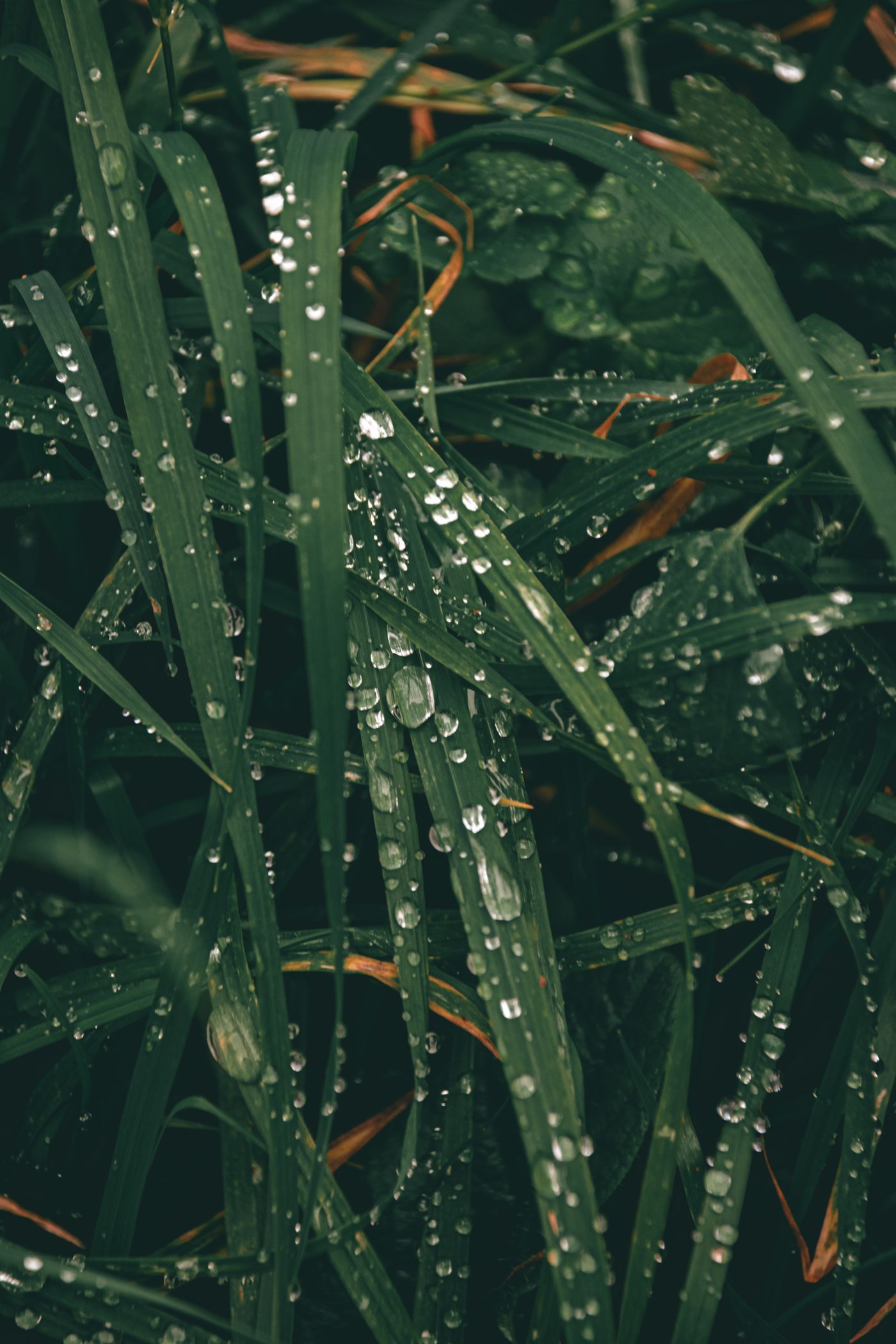
Bear and Thomas did more than christen it; they found the mechanism. During dry spells, plants exude oils that settle onto soil and rock, a chemical instruction to seeds that says wait, not yet. Clay and porous stone store these oils the way a scent strip stores a perfume. When rain finally arrives, the drops flush the accumulated oil into the air, and the waiting is released as smell. The poetry writes itself and happens to be accurate: petrichor is the ground exhaling everything it held back through the drought. What you smell is postponed life, un-postponing.
The star molecule, though, is geosmin, and geosmin deserves its own paragraph. It is produced by soil bacteria, Streptomyces chief among them, which release it when they die and when rain disturbs the ground; the drops act as tiny aerosol machines, trapping air as they land and flinging microdroplets of soil chemistry upward. Geosmin means earth smell in Greek, and it is what beets taste of, what some river fish carry, what a cellar breathes. The astonishing fact is human sensitivity: the nose detects geosmin at concentrations around five parts per trillion, which makes us better at smelling wet earth than sharks are at smelling blood. Evolution does not gift that kind of sensitivity idly; the standing theory is that for water-seeking ancestors, the smell of recent rain was survival data, and the receptor budget was worth spending.
The full accord has more instruments than geosmin. Before the rain even lands there is often ozone, sharp and electric, dragged down from the upper atmosphere by storm downdrafts, the metallic overture people describe as smelling the storm coming. Then the plant oils, waxy and green. Then geosmin's deep cellar note. Then, in a city, the wet-concrete and hot-asphalt facets, and in a garden, crushed leaf and soaked clay. It is a composition with a top, heart, and base, performed in strict order over about twenty minutes, and this journal's readers will recognize the structure: petrichor is built exactly like a perfume, because both are evaporation stories told to a nose.
Perfumery has chased this smell for longer than the word has existed. The attar makers of Kannauj in India have distilled mitti attar, baked earth captured into sandalwood oil, for centuries: actual monsoon-ground, actual stills, the original petrichor perfume made by people who never needed Nature to tell them it mattered. Modern perfumers reach for geosmin itself, dosed in traces because at strength it smells of cellar and beetroot rather than rain, plus mineral and ozonic materials to sketch the storm. The house's position, from its own bench: the accord is approachable but the event is not, because the event includes barometric pressure on your skin, the sound on the roof, and relief. Some compositions have weather as a co-author, and the honest perfumer credits it.
There is also a memory argument, and on this site there is always a memory argument. First-rain smell is among the most reliable involuntary time machines a tropical childhood installs: school sent home early, the courtyard steaming, someone shouting to bring the laundry in. Because the smell arrives rarely, seasonally, and always attached to a change of state, the brain files it deep, and it resurfaces decades later intact. The house's whole trade, argued elsewhere through chilli, runs on exactly this filing system. Petrichor is the system's masterpiece: a smell that means the waiting is over, in every language, to everyone at once.
How to taste it properly, since this section will always end at practice: when the first storm of the season announces itself, go out before it starts. Smell the ozone overture. Stand somewhere with real ground, a garden, a park, a kampung lane, not just asphalt, and take the first two minutes seriously, because the accord is loudest before the ground saturates. Then come in, listen to the rain on the roof, and read this section's next essay, which is about precisely that sound. The Weather section starts here because this is the smell the house would bottle first if the gods sold the rights. They do not. They rent, seasonally, and the rent is patience.