
Kyoto at Six in the Morning
The most visited city in Japan, empty. Temple smoke, wet stone, and the first kissaten of the day: a record kept by the nose.
Everyone now agrees that Kyoto is full. The lanes of Higashiyama at noon move like a terminal at boarding time, and the city has become the world's case study in loving a place to death. This travelogue offers the loophole the guidebooks keep printing and nobody uses: the city observes different hours than its visitors. Kyoto's temples wake between five thirty and six. The tour buses arrive at nine thirty. The three hours in between are the same city with its population divided by a hundred, and they cost nothing but an alarm.
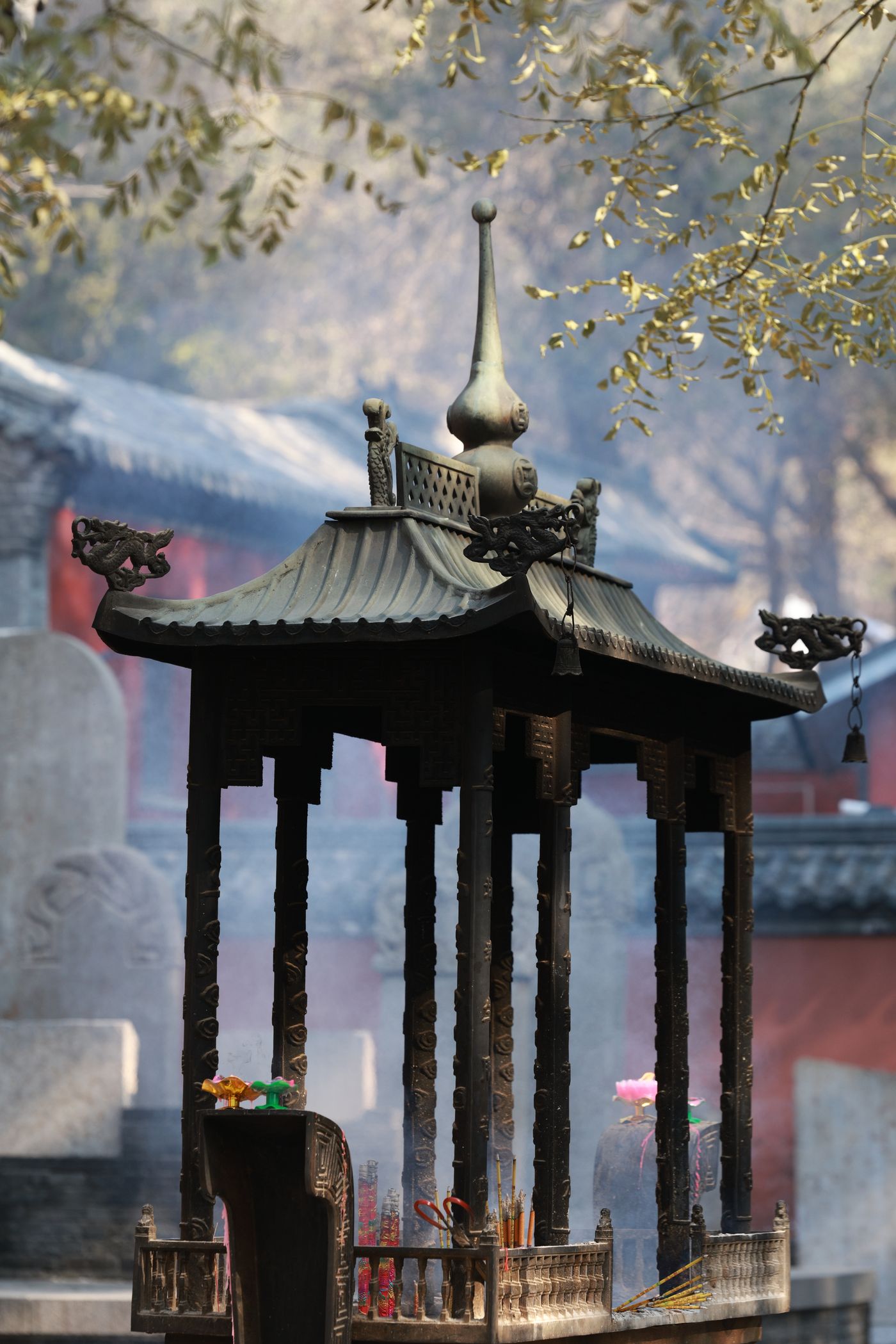
Six in the morning at Chion-in, and sound arrives before sight: the day's first sutra, chanted behind doors, reaching the courtyard as texture rather than words. The travelogue's standing rule, places are sensory records or they are itineraries, and this one files almost entirely under smell. Old cypress after a night of dew is the base note of every temple in the city, hinoki and wet stone and the cold-ash memory of centuries of incense soaked into the beams. At the gate, a fresh coil is lit; the smoke stands straight up in the windless morning like it was drawn there. Nobody photographs it. There is nobody there.
Walk the Philosopher's Path at that hour and the famous canal walk reverts to what it was named for: one thinking person moving under trees, herons hunting the shallows, the mountains east of the city holding the last of the night's mist the way a glass holds its cold. Moss is the city's true ground cover and morning is its hour, that green rain-forest breath rising off every shaded garden wall. In Gion, the lanterns are off and the cedar-slat facades smell faintly of last night's charcoal and this morning's washing water: the geisha district as a working neighborhood, streets sluiced by hand, a bicycle with tofu crates ticking past on the stones.
The morning has an economy, and it is one of the last cheap luxuries in Japan. Nishiki market is shuttered, but its side streets host the wholesale hour: polystyrene crates of river fish, farm trucks with the day's kyo-yasai vegetables, the region's peppers and heirloom greens being argued over by restaurant buyers in rubber boots. The city's celebrated food culture is visible at six in its undressed form, supply lines and handshakes, and it smells of diesel, ice, and green things snapped fresh, a truer prelude to kaiseki than any tasting menu's menu.
At seven, the reward: Kyoto's kissaten open early, a legacy of a city that has taken coffee seriously for a century, and the morning set, thick toast, boiled egg, a cup brewed one at a time through flannel or paper, is served in rooms unchanged since the seventies, all dark wood and jazz at conversation volume. Readers of our listening bar essay will recognize the species: the kissaten is its daylight ancestor, the original room built on the belief that one drink, prepared with total attention, deserves furniture and time. Sit at the counter. Watch the pour. This is the long table philosophy, translated into Japanese and served before eight.
South of the city, and the reason this house's luggage smells permanently of green: Uji, thirty minutes by train, where the matcha groves our tea essay studied grow under their shade cloths, and where morning means roasting tencha somewhere upwind, a smell like sweet hay and seaweed that reaches the station platform. The pilgrimage works best at the same hour as everything else in this essay: the tea shops of Byodoin's approach street open calm, the first whisked bowl of the day comes bitter-bright and grassy, and the crowds that will queue an hour for the same bowl at noon are still asleep in Osaka hotels.
The transferable lesson, since a travelogue in this journal always smuggles one home: crowded places are usually crowded at one time, and reputations are built at that time, which means the reputation and the place can be visited separately. Jakarta has its own six in the morning, so does every city this section has filed, and the house's advice survives translation: wake with the temples, whatever your city calls its temples. The world before nine is the same world, with the volume down and the smell turned up, and it has been waiting for you every single day.