
The Matcha Report
Ceremonial grade in a can, whisked at two hundred cafes, priced like wine.
It took four centuries for matcha to travel from the tea rooms of Uji to the counter of every third cafe in Jakarta, and about four years for it to conquer once it arrived. The green is now everywhere: lattes, croissants, soft serve, cocktails, and a tier of shops that will whisk it for you in a proper chawan with water at exactly eighty degrees, then hand it over in a plastic cup with a QR code on the sleeve.
The house drinks it and mostly approves. Matcha is, after all, a material story: one plant, shaded for weeks before harvest so the leaves panic into producing chlorophyll and L-theanine, then ground on granite wheels slower than a person walks. It is agriculture pushed to the edge of perfumery. The problem is not the powder. The problem is what happens when a taste becomes a uniform.
Because somewhere in the wave, the green stopped being a flavor and became a signal. The drink photographs well, the color codes as calm and discipline, and so it slid into the same slot as the linen shirt and the tote bag: shorthand for a person with their life together. Once that happens, quality becomes optional. A surprising number of the city's matcha lattes are sweetened to the point where the tea is a rumor, a green dye in a milk dessert, served to people who would not recognize the bitterness that is the entire point.
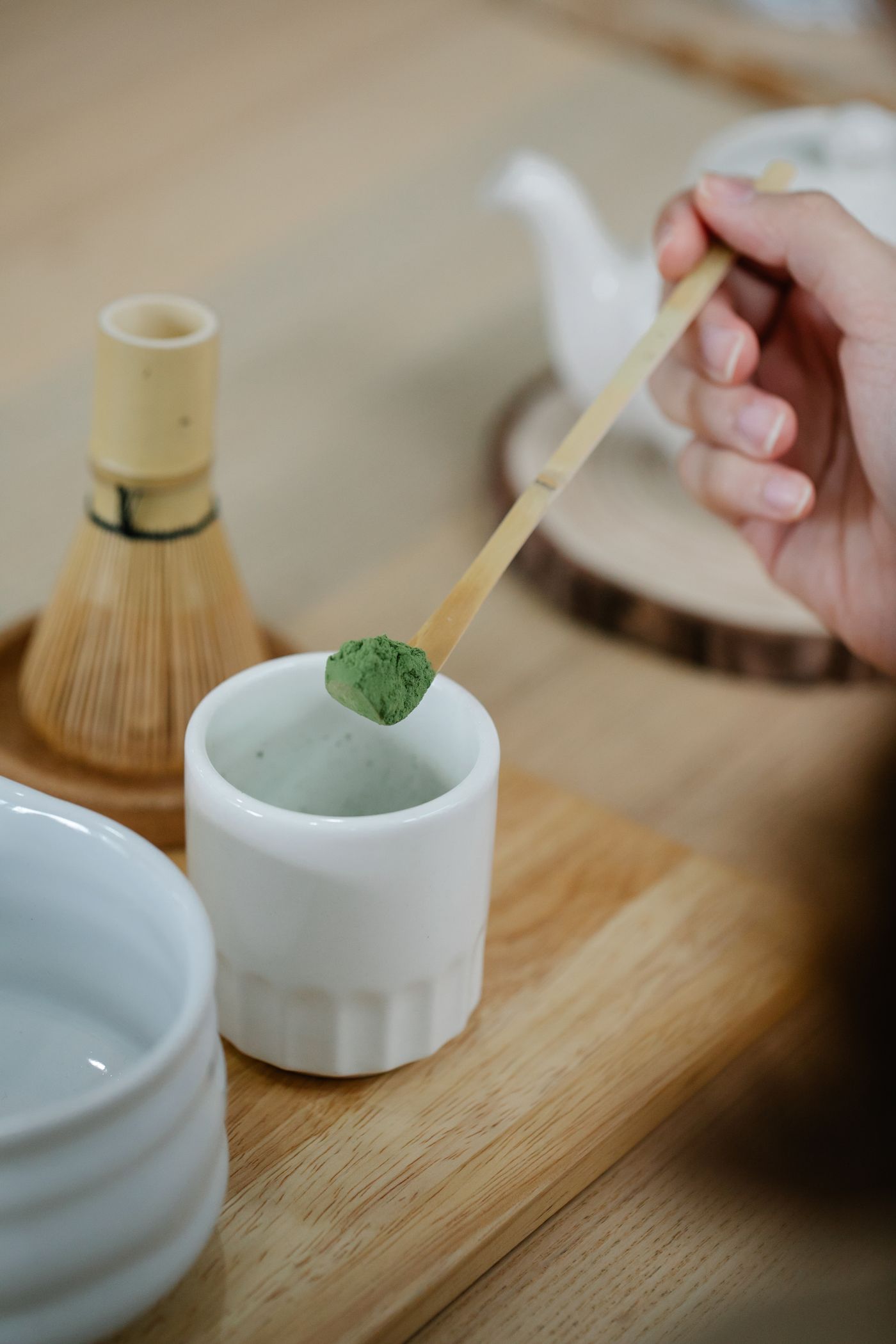
Here is the report, then, for those who want the taste and not just the color. Good matcha is vegetal, sweet like snap peas, with a bitterness that arrives late and cleanly, and an umami depth that has no business being in a beverage. It should be whisked to a fine foam, not blended into syrup. If the menu lists the farm or at least the region, that is a good sign. If the barista asks how sweet you want it before asking anything else, order the coffee instead, and take it to your usual table.
None of this is a case against the wave. Every good thing arrives by hype now; that is simply the weather. The house's position is the same one it holds on fragrance: enjoy the crowd, but train the palate, because the crowd will move on and the taste is yours to keep. The matcha will still be there when the color stops trending. The people still drinking it then will be the ones who liked it.