
Borges Predicted Infinite Scroll
An infinite archive where everything exists and nothing can be found. Written by a librarian in 1941.
In 1941, an obscure Argentine librarian named Jorge Luis Borges published a short story about a universe that consists of a single, endless library. Its hexagonal galleries contain every possible book: every truth, every lie, every biography of you, every version of this article with one word changed. The Library of Babel has everything, and that is precisely its horror. Since every insight is shelved beside a million near-identical corruptions of it, finding anything true is statistically impossible. The librarians wander the galleries their whole lives, some worshipping the shelves, some going mad, some throwing books into the abyss.
Read it tonight, it takes twenty minutes, and try not to see your phone. An archive approaching infinity, in which everything ever thought is technically available. Search that returns everything and settles nothing. Sects who believe the answer exists on some shelf somewhere, forwarding fragments to each other. The despair Borges gives his librarians, a certainty that the truth is in the building combined with a certainty that they will never hold it, is a diagnosable modern condition now. He described the feed's emotional weather eight decades before the feed.
The prophecy runs deeper than the scale. Borges saw that an infinite archive changes the value of reading itself: when everything is available, the scarce resource is no longer the text but the attention brought to it, and the librarians who survive are the ones who stop wandering. His narrator, old and going blind among the shelves, takes comfort in a single elegant hope, that the library might be periodic, that order might exist at a scale beyond him. He stops searching for the total answer and tends his own gallery. It is the most contemporary retirement plan in literature.
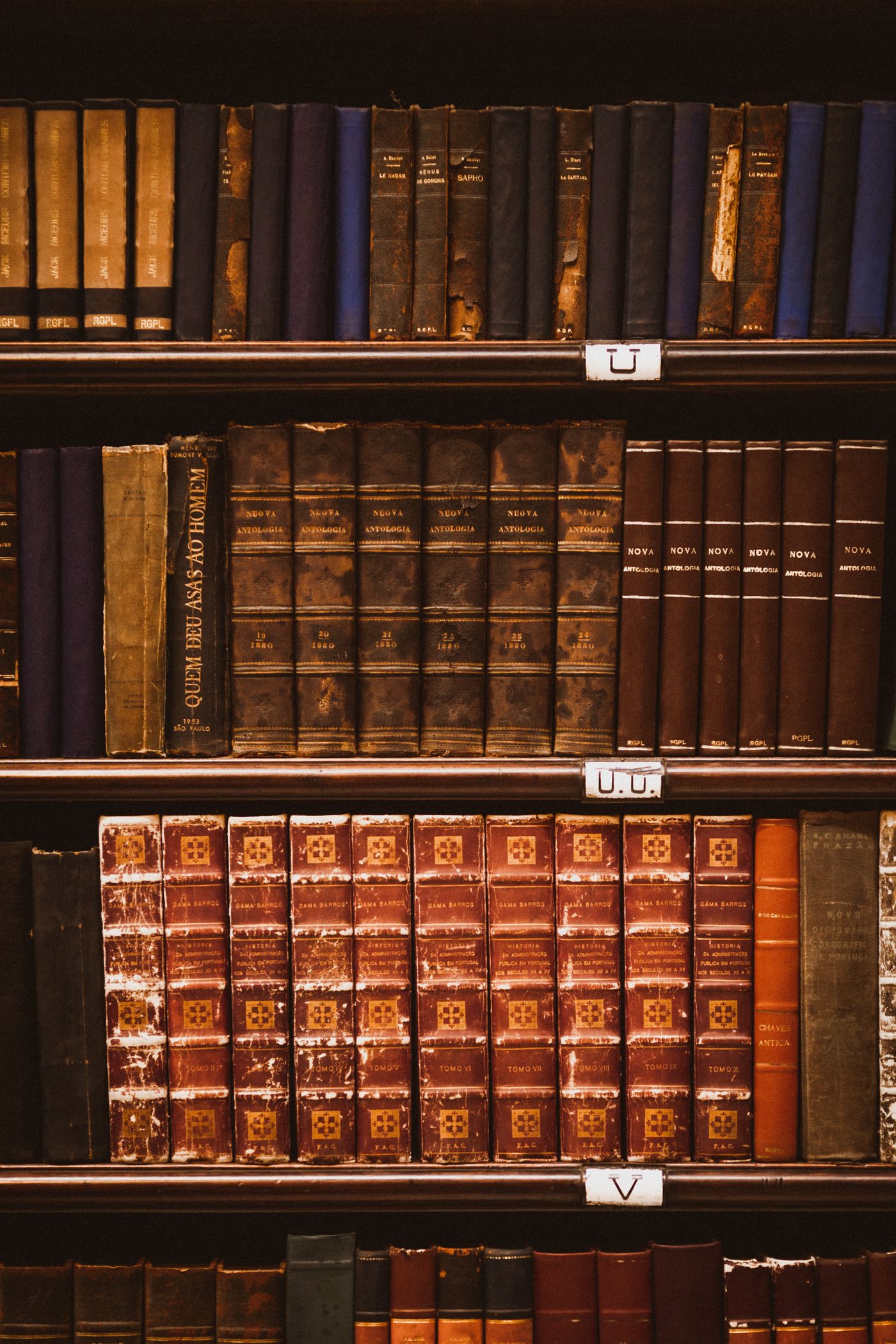
Ficciones, the collection that holds the story, offers the same medicine in every direction: a map as large as the territory, a man who remembers everything and can therefore understand nothing, an infinite book of sand. Each one is a warning about totality, written by a man who loved libraries more than anyone alive and could see exactly how they break. It belongs on the unread shelf only briefly; it is too short and too addictive to stay there.
The practical lesson, since Pages always sends you home with one: the answer to the infinite library was never a better search. It is a smaller shelf. Choose your gallery, some dozen books, a few voices, one subject loved properly, and tend it, the way our field report on the AI age concluded: the archive is the machine's job now, the attention is still yours. Borges went fully blind the same decade he was made director of the National Library, and called it God's splendid irony: eight hundred thousand books and darkness. He kept reading anyway, by asking friends aloud. One book at a time, which was always the only way anyone ever read.