
The AI Age: A Field Report
Not the future, not the apocalypse: what it is actually like, mid-decade, living with the machines.
This new section of the journal is called Signal, and its method is the house method: examine the machines that run the day slowly, without worship and without panic. The first subject has to be the obvious one. The artificial intelligence age did not arrive the way the films promised, with a voice announcing itself. It arrived the way electricity did: quietly, into everything, until asking whether you use it became as strange as asking whether you use voltage.
The field observations, mid-decade. Everyone carries an assistant now, and mostly uses it the way one uses a very fast, occasionally overconfident colleague: drafts, translations, summaries, code, the letter you did not want to start. Whole categories of blank page have gone extinct. Students learn beside it, doctors triage with it, and half the text, images and video crossing your feed had a machine somewhere in the kitchen. The remarkable part is how unremarkable it all became, and how fast. The miracle got domesticated into a utility bill.
What actually changed is the price of production. Making passable text, passable images, passable anything, fell to nearly nothing, and economics does not forgive that: the world is now flooded with the passable. Which quietly repriced everything the machines cannot make. Judgment. Wanting one thing instead of everything. The willingness to sign your name under a decision. Scarcity moved upstream, from making to choosing, and choosing has an older name: taste. This entire journal is, in that sense, a bet on the new scarcity.
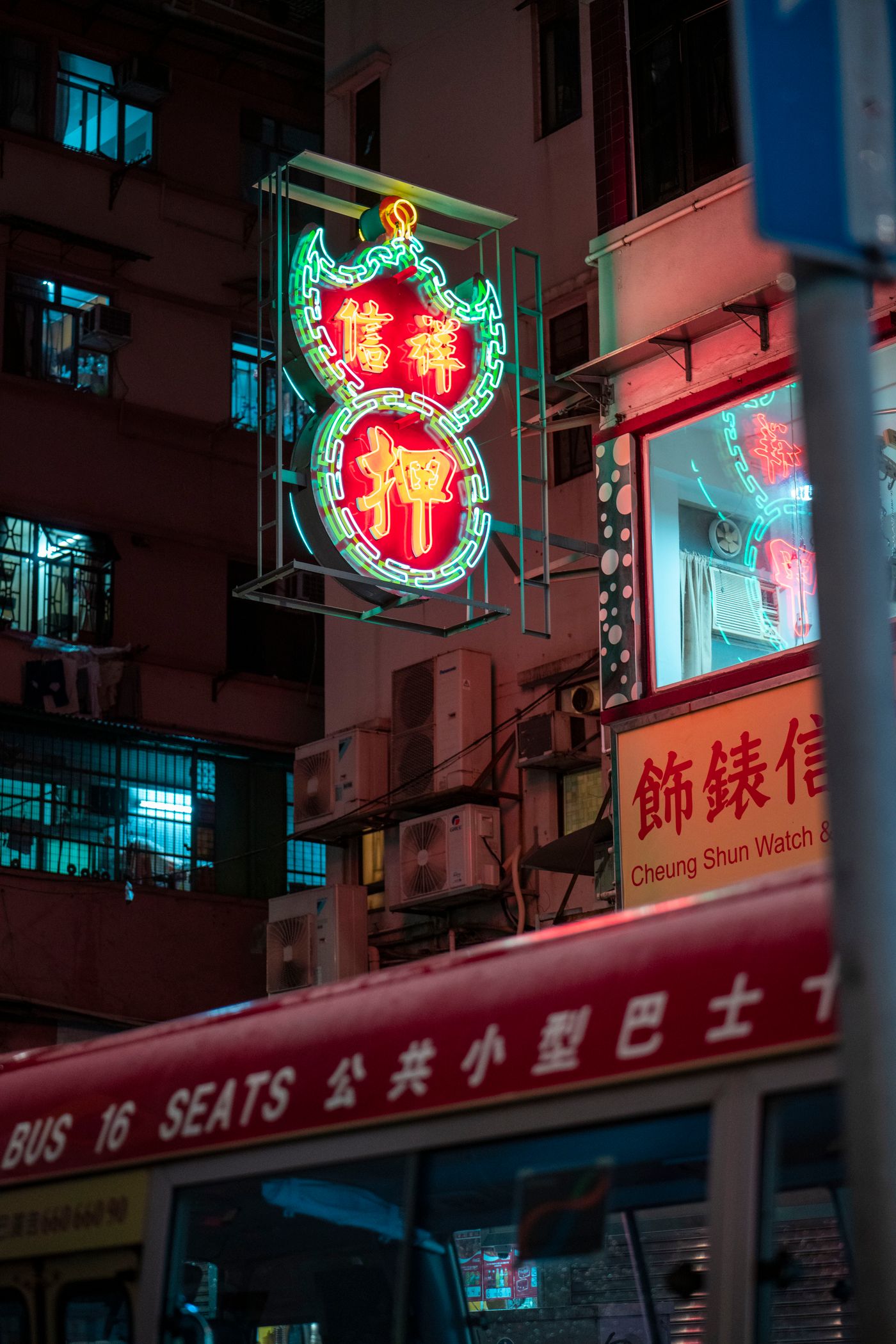
The honest disclosure, because this age runs on disclosure: this house uses the machines. The shelves of this website were built with their help, the way the bottles are filled with the help of pumps. What the machines did not do is decide what the house loves, which materials are worth going broke for, or how Gunawarman smells at eight in the morning. The division of labor is the whole etiquette of the era: machines for production, humans for intention, and the signature always belongs to whoever did the wanting.
Field advice, then, for living here. Treat the machine as electricity, not as an oracle: marvelous for power, wrong to consult about your marriage. Keep at least one craft that runs entirely through your hands, because the hands remember differently. Guard an ungenerated self the way Kon’s film argued for an unperformed one. And note, with some satisfaction, the one border the age has not crossed: the data center behind all of this, for all its scale, still cannot smell the rain arriving. The nose remains proprietary hardware. Yours.