
The Notebook Wins Again
Every productivity app of the decade has died or pivoted. The paper notebook remains undefeated.
Count the productivity systems you have lived through. The app with the boards, the app with the databases, the second brain that required a first brain to maintain it, the AI notetaker currently summarising meetings nobody rereads. Each arrived as the future, charged monthly, and left quietly, taking a layer of your notes down with it. Meanwhile the notebook you bought in a stationery shop for the price of two coffees has been running the same operating system since the Renaissance, and it has never once shown you an update screen.
The notebook’s superiority is not nostalgia. It is engineering. Its friction is a feature: the hand writes at a fraction of typing speed, which forces compression, and compression is thinking. The research on this is consistent and unsurprising to anyone who has tried both: what is written by hand is remembered, what is typed is transcribed. The keyboard is a stenographer. The pen is an editor.
Then there are the negative features, the brilliant absences. No notifications live inside a notebook. No other tab. No battery, no login, no sync conflict, no subscription, and no company between you and your own thoughts whose incentives require you to return tomorrow. A notebook is the only knowledge tool you own outright, and the only one guaranteed to open in thirty years, a claim no file format alive today can honestly make.
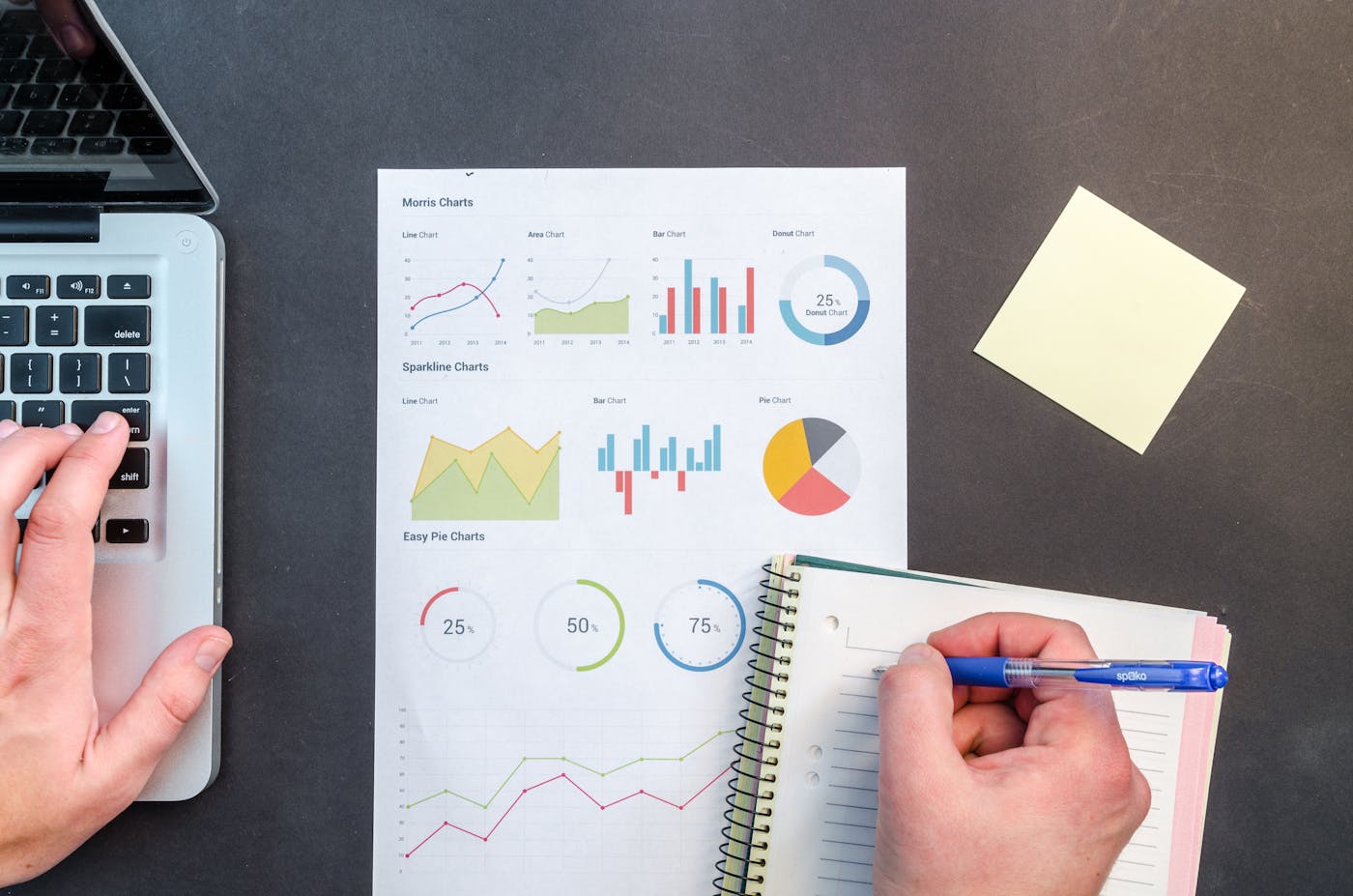
The house is a biased witness, being essentially a notebook that learned to sell perfume. The thousand-idea archive began as handwriting. The Tailor of our fiction keeps his ledger in cracked leather, not in the cloud. And the Commuter who numbered his sunsets could only have done it on paper, because no app survives 1,214 entries without pivoting to enterprise.
Method, for those returning after years away: one notebook, not five. Date every page and ignore every system with a trademark. Write appointments in the phone, where alarms live, and everything that matters in the book, where you live. The stack of finished notebooks that accumulates on a shelf is the point of the whole exercise: a spine-out autobiography, written accidentally, readable by candlelight after every server in this paragraph has gone dark.