
Thorfinn's Answer
Vinland Saga, and the line the house liked enough to bottle: I have no enemies.
Somewhere in the second season of Vinland Saga, a broken former warrior named Thorfinn says a sentence so simple that the internet initially laughed at it: I have no enemies. He says it to a man beating him, in a field, as a farm slave, years after the revenge he built his whole childhood around collapsed under him. The laughter did not last. Within a year the line had become one of the most quoted in modern anime, and this house, which does not take such decisions lightly, named a fragrance after it. This piece is the long version of why.
The setup matters. Makoto Yukimura's manga begins as the opposite of a pacifist story: a Viking revenge epic, and a spectacular one. Thorfinn's father Thors, the one genuinely peaceful man in the story, is murdered in front of him by the mercenary Askeladd, and the boy spends a decade in Askeladd's own war band, surviving battles for the sole privilege of challenging his father's killer to duels he keeps losing. Season one is blood, politics and the North Sea, drawn with a historian's care. It works completely as an action saga, which is precisely the trap.
Because Yukimura then does the thing almost no writer has the nerve to do: he takes the revenge away. Askeladd dies, but not by Thorfinn's hand, and not for Thorfinn's reasons. The boy is left standing in the wreckage of his only plan, sixteen years old with nothing inside him at all. The story cuts to years later and finds him a slave on a Danish farm, hollow, wordless, and dreaming every night of the men he killed. What follows, the Farmland Saga, is the slowest and greatest arc in the series: no battles, just wheat, labor, a fellow slave named Einar, and the agonizing reconstruction of a person.
This is where the famous line lives, and context changes it entirely. I have no enemies is not a boast and not a philosophy pulled from a book. It is an empirical discovery. Thorfinn has been on both ends of violence his entire life, and when he finally audits the ledger he finds that every enemy he ever had was manufactured: by grief, by loyalty, by the economics of war bands that need boys to be angry. His father had told him the same thing in episode one, a true warrior needs no sword, and it took the whole saga for the sentence to stop being words.
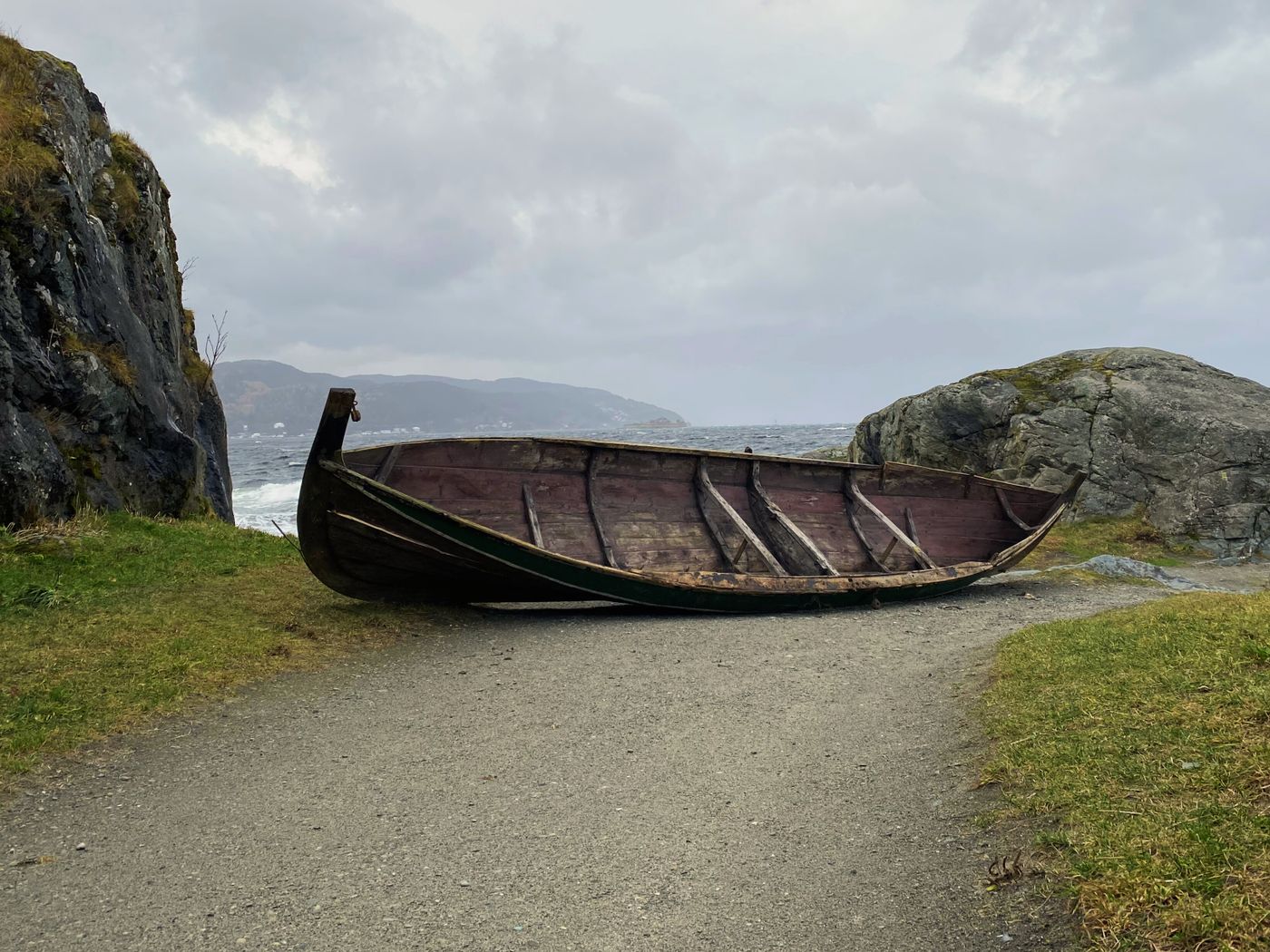
What makes the arc land, and what most imitators of dark historical fiction miss, is that Yukimura never lets the pacifism be cheap. Thorfinn keeps flinching toward violence; the story keeps presenting cases where refusing to fight has a real, visible cost, paid by people he loves. The later arcs, the search for Vinland itself, are an attempt to build a country with no slaves and no war, and the manga is ruthlessly honest that the attempt keeps cracking. The position is not that violence never works. It is that violence always bills someone, usually a child, usually later, and Thorfinn has personally been that child.
There is also a craft lesson in here that the house thinks about constantly. Yukimura spent the first fifty chapters giving readers exactly the genre pleasure they came for, and then spent the next hundred spending that trust on something more difficult. The audience that would never have opened a book about forgiveness read one anyway, because the author earned the right to change the subject. Every perfumer who has smuggled a strange material into a beautiful opening knows the move.
So: the bottle. I Have No Enemies is incense and three sandalwoods, built as stillness rather than as statement, because that is what the line actually is, a stillness Thorfinn works two decades to afford. Wear it and you are not claiming to be past anger. You are carrying the reminder that the account can be closed. Watch the Farmland Saga first, ideally in one sitting, ideally after a bad year. Then the drydown will read exactly as intended.
For the rest of the shelf, this piece sits beside our Satoshi Kon essay in the growing case that the most serious moral fiction of the last thirty years kept arriving as animation, while the prestige channels were busy with antiheroes who never once put the sword down.