
Whisper of the Heart and the Apprentice's Room
Ghibli's quietest film is a workshop drama in disguise: a violin bench, an unpolished stone, and the most honest scene about talent ever animated.
Whisper of the Heart, 1995, is the Studio Ghibli film people forget to recommend because nothing in it flies. No spirits, no war, no moving castle: a fourteen-year-old girl named Shizuku spends a Tokyo summer reading library books, notices the same boy's name on every checkout card, follows a fat cat off a train, and finds an antique shop on a hill. That is the setup in full. It was directed by Yoshifumi Kondo, the animator Miyazaki and Takahata were grooming to inherit the studio, and it became his only feature: he died three years later at forty-seven, and the studio's succession died with him. The film is thus both a debut and an entire legacy, which suits it, because its subject is what a beginning costs.
The boy from the checkout cards is Seiji, and he has the thing Shizuku lacks: a declared craft. He is teaching himself violin making, apprenticing toward Cremona, and the film's central location is the workshop in his grandfather's shop, wood shavings, clamps, half-carved scrolls, a bench where a boy's hands are visibly ahead of his age. The scene everyone remembers begins as embarrassment: he asks her to sing while he plays, and Country Roads, which she has been mocking all summer in her own translation, becomes a jam session when the old men wander in with lute and recorder. It is two minutes of animation about the exact moment practice turns into music, and it is staged in a workshop because Kondo knew where that moment lives.
Provoked by Seiji's head start, Shizuku sets herself a trial: she will write a novel before he returns from a two-month apprenticeship in Italy, and the film, astonishingly for a family movie, lets the work be work. Her grades drop. Her family worries. She writes past midnight, doubts everything, and produces something she herself can tell is not good yet. The fantasy sequences that illustrate her story, painted skies by the artist Naohisa Inoue, are the film's only magic, and they are explicitly labor: what imagination looks like from inside while the sentences underneath it are still clumsy. When she finally shows the manuscript to the old shopkeeper, his verdict is the kindest hard review in cinema: it is rough, unfinished, and genuinely promising, like the stone he then shows her.
The stone is the film's thesis and this journal's reason for writing about it. The shopkeeper hands her a lump of rock with a vein of beryl glinting inside: the raw talent, he says, is real but buried, and polishing it means cutting away most of what you are now, long, unglamorous grinding with no audience. He refuses to flatter her draft precisely because he respects the vein. Every craft tradition has a version of this speech; readers of our Musashi essay met it as a decade with a sword, and Hokusai delivered it as a life span. Kondo's version fits in a shop drawer, and loses nothing in the shrinking.
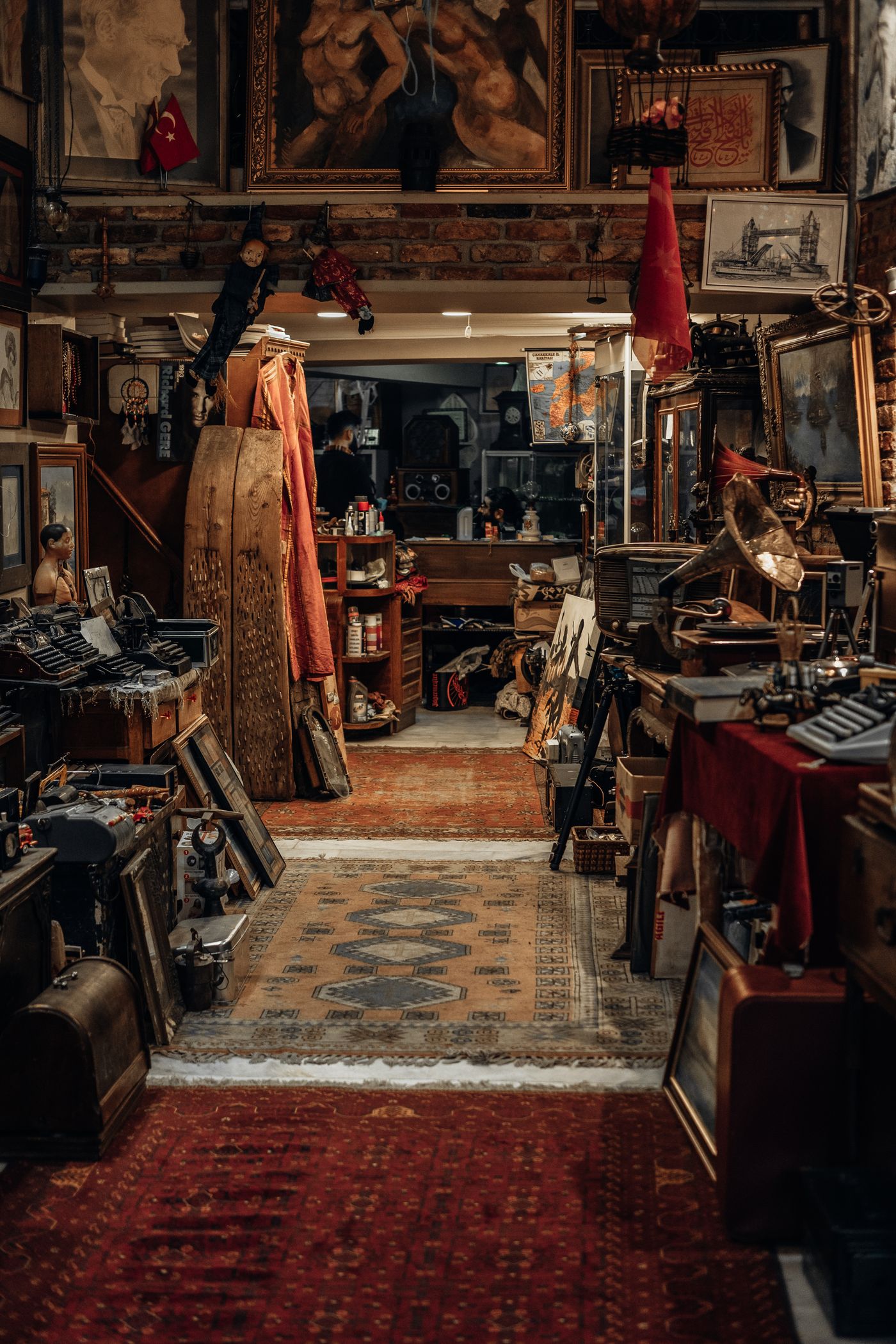
What elevates the film above its own moral is the animation's argument that ordinary life deserves masterwork attention. Kondo and his crew lavish Ghibli-grade craft on train transfers, convenience stores, laundry on balconies, the specific light of a suburb built on hills; the Tama New Town setting is rendered with such fidelity that fans still walk the real staircases. The form enacts the theme: if a studio can spend this much care animating a girl washing rice, then no subject is too small for full seriousness, and neither is yours. It is the same claim our Frieren essay found in that series' quiet episodes, made thirty years earlier in watercolor.
Time has been generous to the film's reputation and complicated about its lesson. A generation raised on it grew into adults who cite the beryl scene the way earlier generations cited scripture, and its vision of apprenticeship, choose a bench, accept the years, has become almost countercultural in an era that sells mastery as content and promises shortcuts weekly. Watching it now, the radical detail is Seiji's grandfather refusing to praise; the algorithmic present, as our Yoshimura essay noted in another register, mostly refuses to criticize. One of these produces luthiers.
The house watches this film about once a year, always at the bench season, the stretch when a formula is rough and unfinished and genuinely promising, and the temptation is to bottle the beryl early. It also owes the film a debt of framing: a fragrance house that talks constantly of memory and apprenticeship is, in the end, telling Shizuku's story in a different material, cutting away versions, grinding without audience, trusting the vein. Watch it on a Sunday afternoon with the windows open. Then go find your stone, and be suspicious of anyone who calls it finished.