
Good at a Hundred and Ten
Hokusai made the most famous image on earth at seventy, and considered it early work.
The Great Wave off Kanagawa, the print you have seen on phone cases, tote bags and at least one tattoo this month, was made by a man of about seventy. By then Katsushika Hokusai had been drawing for six decades, changed his name some thirty times, moved house over ninety times, and survived poverty, lightning and the death of most of his world. The wave was not a young man's breakthrough. It was an old man's warm-up.
We know this because he told us. In the postscript to One Hundred Views of Mount Fuji, written at seventy-five, Hokusai laid out the most patient career plan ever committed to paper: nothing he drew before seventy was worth counting; at eighty he hoped to make real progress; at ninety he would penetrate the mystery of things; at one hundred he would reach a divine state; and at a hundred and ten, every dot and every line would be alive. He signed his late work Gakyō Rōjin, the old man mad about drawing. He died at eighty-eight, reportedly asking heaven for ten more years, five more, even, so that he could become a true artist.
Set that schedule against the one the present runs on. Thirty under thirty. Overnight success, engineered and reverse-engineered. The creator advised to niche down by twenty-three, peak by thirty, and pivot to teaching the method by thirty-five. The modern timeline treats mastery as a sprint with a viral finish line, and burnout as a rounding error. Hokusai's timeline treats it as a landscape you walk across for a century, in which fame, if it comes at all, arrives midway and matters mostly as funding.
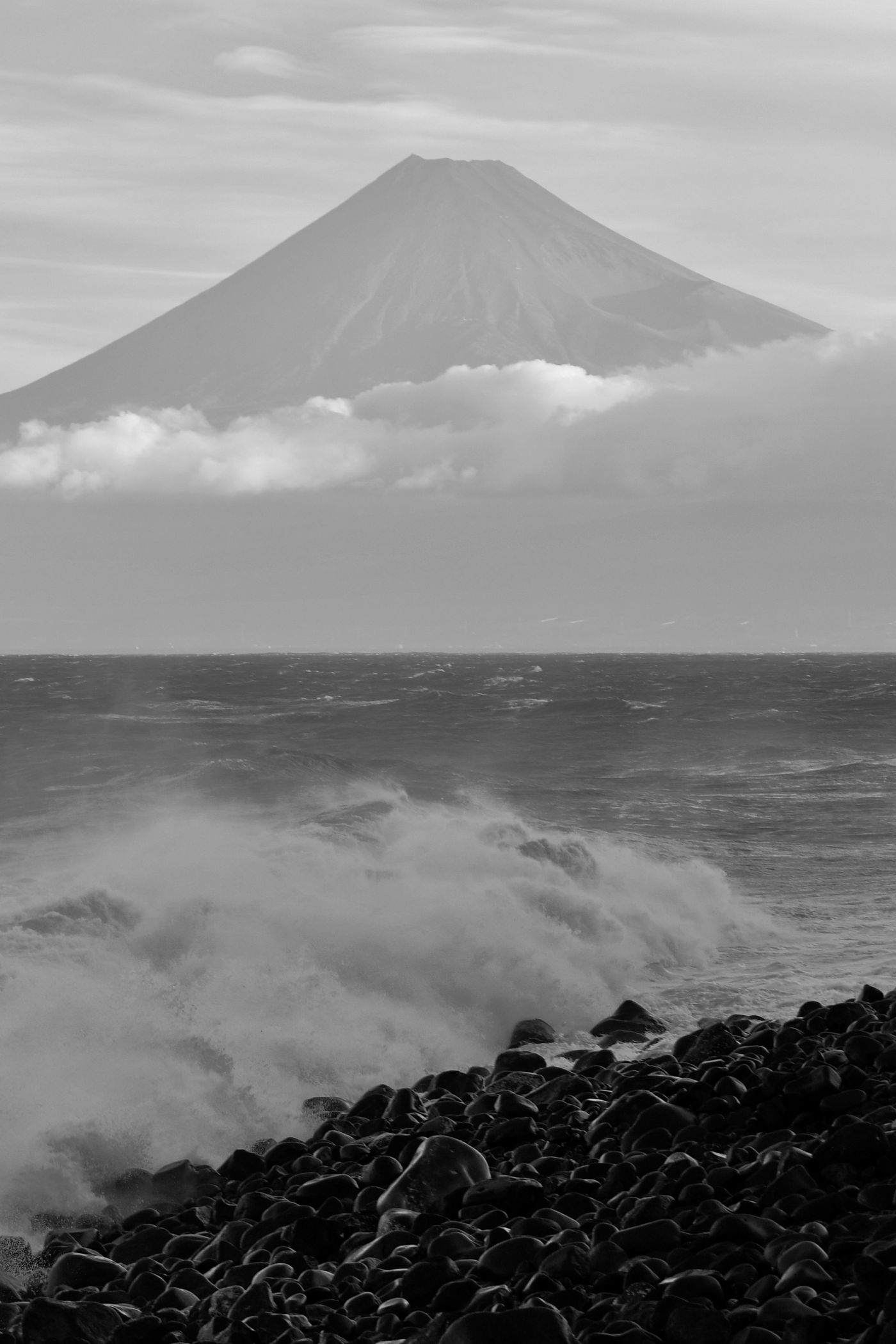
This section exists for people who make things, and Hokusai is its patron saint for one specific reason: he removes the deadline. The dyers of Java and the weavers of Sumba already work on his clock, where a craft is measured in decades per lesson and the teacher is time. What the old man adds is the permission slip in writing: if the most famous image on earth was made by someone who considered himself a student, then whatever you are making at whatever age you are, you are early. Not late. Early.
Homework for the hands, whatever yours do: find the thing you quietly gave up on because you started too late, and restart it tonight on the Hokusai schedule. Decade one, learn to see it. Decade two, learn to do it. Somewhere past that, every line alive. The wave, remember, was drawn by a beginner of seventy. The sea took him sixty years to learn, and it was worth the wait.