
Frieren and the Long Memory
An elf who outlives everyone learns to remember on purpose. This house has never felt more seen by a television program.
Frieren: Beyond Journey's End opens where every other fantasy story closes. The demon king is already dead. The party of heroes, the human Himmel, the priest Heiter, the dwarf Eisen, and the elf mage Frieren, has already saved the world, and the first episode is their victory parade. Then the show does its founding piece of arithmetic: Frieren, who is over a thousand years old, casually proposes meeting up again in fifty years, the way you or I would say next month. Fifty years later she returns. Himmel is an old man. Shortly afterward, at his funeral, she realizes she spent a decade of adventure beside a person she never bothered to actually know, because ten years, to her, felt like an afternoon.
Everything that follows is an attempt to repair that error retroactively, which is to say the entire series is about memory as a practice. Frieren retraces the old journey north, this time with an apprentice, deliberately stopping at the places she once hurried through, collecting the small facts about Himmel she was too slow to value: why he liked a particular flower, why he insisted on helping villages that offered no reward, why he took so long over statues of himself. The quest object of this fantasy epic is not a sword. It is a dead friend's interiority, recovered one remembered kindness at a time.
The show's structural insight, the one that makes it feel unlike anything else on the air, is that it runs on the elf's clock. Episodes skip years in a cut. A month of travel is a sentence. Grief arrives decades late, in the middle of an unrelated errand, exactly the way real grief does. Where most fiction manufactures urgency, Frieren removes it entirely and discovers that what remains, when nothing is urgent, is meaning. Audiences raised on cliffhangers sat down in front of a show about walking, and it became one of the highest-rated series in the history of the medium's biggest database. The appetite for slowness was there all along.
Readers of this journal will recognize the thesis, because it is ours. Harum Oleh Memori means fragrance through memory, and the house's whole argument is that memory is not storage but attention, paid at the time, or painfully reconstructed later. Frieren is a thousand-year study of the second, worse option. Her apprentice Fern, mortal and sharp-eyed, is the first option personified: she notices everything now, at the resolution of a person who knows her time is finite. The show keeps placing the two perceptions side by side without ever saying which is the lesson, because the pairing is the lesson.
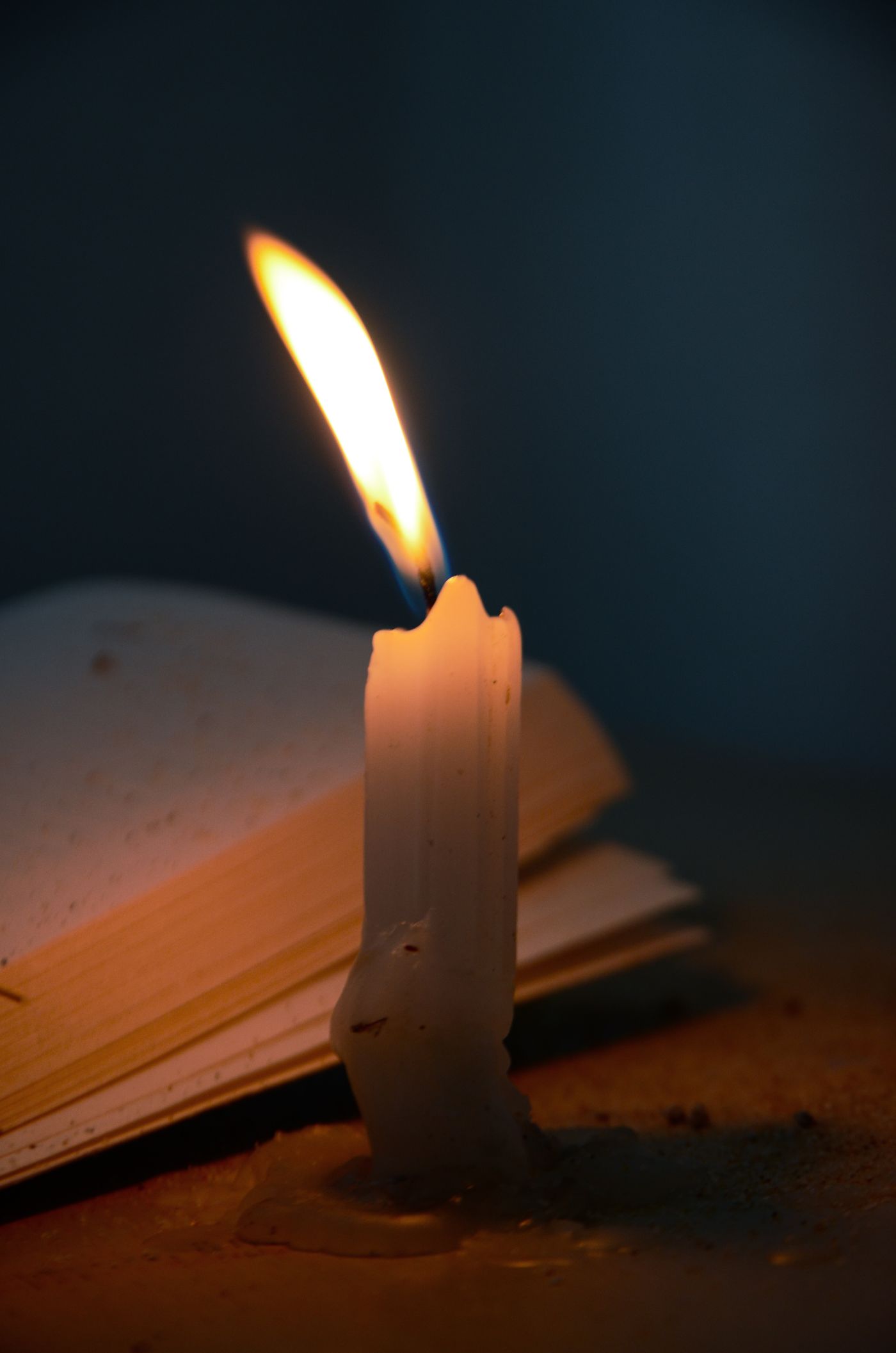
There is a smaller, stranger detail the house loves: Frieren collects spells the way other people collect stamps, and most of her collection is deliberately useless. A spell to produce a field of flowers. A spell to clean a statue. A spell for warm tea. The mage who could level cities spends her infinite time acquiring small domestic magics, because Himmel once smiled at one. It is the most accurate portrait of taste we have seen on a screen: the useless things you keep are the record of who you loved.
The craft around the writing deserves its own line. Madhouse's production is quiet on purpose: held frames, natural light, Evan Call's pastoral score, violence rendered briefly and then mourned at length. Even the fights, when they come, are about time, mages duel by out-reading decades of each other's habits. The show looks the way long memory feels: soft at the edges, sharp exactly where the feeling lives.
Wear something quiet while you watch it; the house would point you at the bottles built on sandalwood and iris, the materials that behave like Frieren, slow, faint at first, enormous in the drydown. And if the show leaves you with the itch to write down what you should have noticed about someone while there was time, that is not a side effect. That is the entire mechanism, the same one this house tries to bottle, working on you at broadcast speed. Our piece on sambal as a memory technology makes the same argument with chilies. Frieren makes it with a funeral. Both end in the same kitchen.