
Musashi, Read Slowly
A thousand pages about getting better at one thing forever. The underdog's book, best taken at the speed it was written.
Eiji Yoshikawa's Musashi was never meant to be a book you hold. It ran as a newspaper serial in the Asahi Shimbun from 1935 to 1939, a few pages at a time, more than a thousand installments read by millions of Japanese over their morning tea, and only later was it bound into the brick that now anchors shelves worldwide. The publication method matters, because the novel's subject is incremental self-improvement, and its original readers consumed it incrementally, four years of mornings watching one man get slightly better at his art. The medium was the moral.
The story fictionalizes a real swordsman. Miyamoto Musashi survived the losing side of Sekigahara in 1600, fought some sixty duels undefeated, and late in life wrote the strategy classic this journal treats in its own piece. Yoshikawa's version begins lower than any hero in epic fiction: Takezo, as he then is, wakes wounded among corpses, becomes a fugitive, terrorizes his home province like an animal, and is finally captured, not by force but by a Zen monk named Takuan, who hangs him from a tree for days and then locks him for three years in a castle room full of books. He walks out with a new name and the novel's real premise: raw strength is common; the work is turning it into something with a spine.
What follows is structured as a decade of deliberate practice wearing the costume of an adventure novel. Musashi walks the country testing himself against schools and masters, the Yoshioka brothers in Kyoto, the chain-and-sickle master Shishido Baiken, the spear monks of the Hozoin, and between fights the book does the thing that made it immortal: it lingers on everything else. Musashi farms an abandoned patch to learn about the earth. He whittles a statue of Kannon after killing a man. He studies the way a master carpenter planes wood, the way tea is poured, the way a courtesan tunes a shamisen, and the novel keeps insisting, quietly, that these are all the same study. The sword is his entry point to attention, not the object of it.
Around him Yoshikawa builds one of popular fiction's great supporting casts. Otsu, who loves Musashi with a patience the book both honors and interrogates. Matahachi, the boyhood friend and walking counterfactual, who takes every shortcut Musashi declines and rots by inches, the single most instructive coward in literature. Osugi, the vengeful grandmother pursuing a misunderstanding across decades, comedy that keeps curdling into pathos. And waiting at the end of the road, the prodigy Sasaki Kojiro, faster, younger, more gifted, everything Musashi is not, which is precisely the novel's final question: what does a decade of deliberate depth do against pure talent?
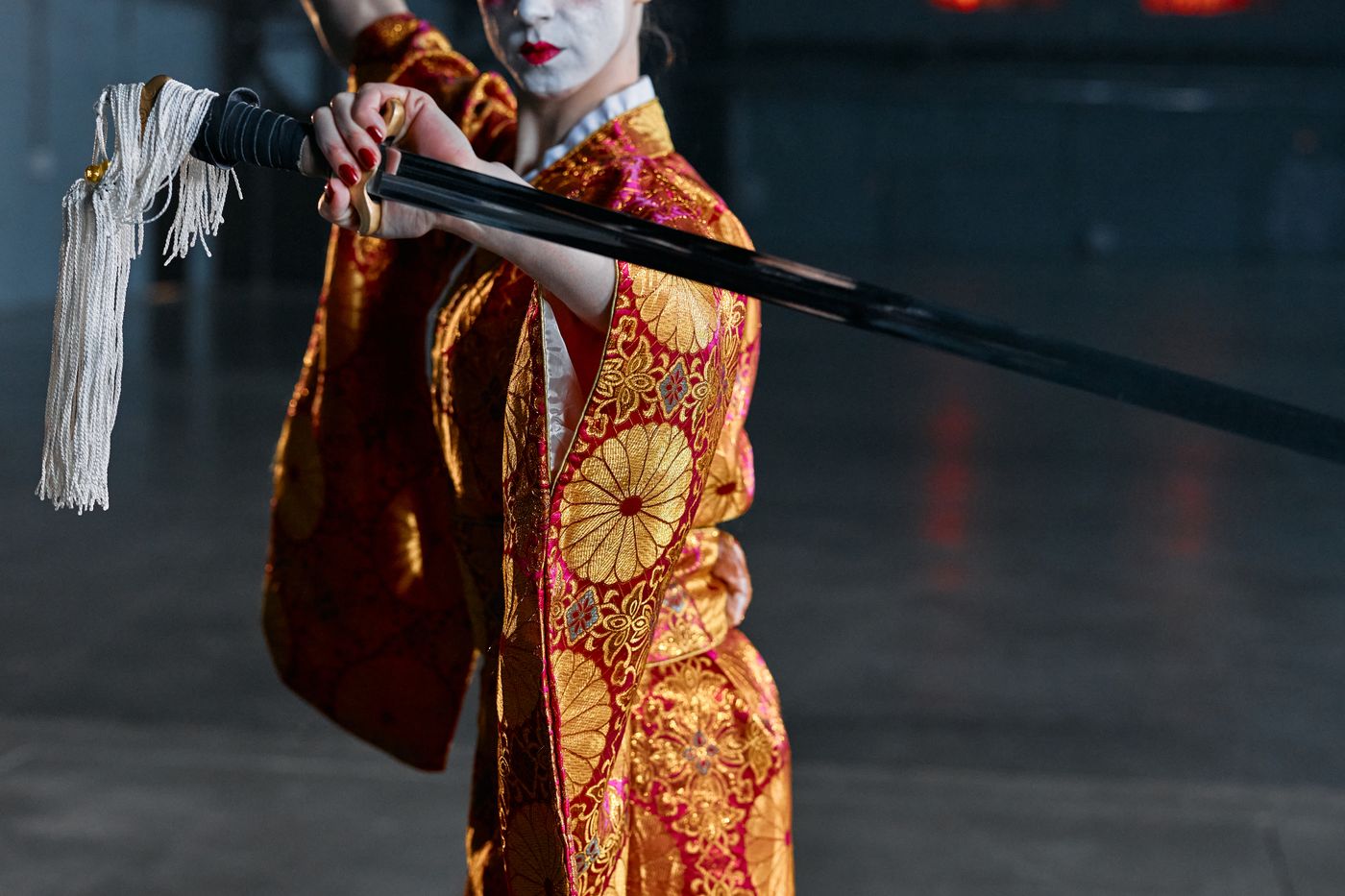
The answer arrives on a sandbar called Ganryujima in 1612, in a duel history actually records, and Yoshikawa stages it with a restraint modern editors would fight him over: after four thousand pages of preparation it is over in moments, Musashi armed with an oar he carved on the boat ride out. The carved oar is the whole book in one image. The man spent ten years becoming someone who could see that the weapon mattered less than the timing of the tide, the sun's angle, and the opponent's temper, and Kojiro, holder of the superior sword and the superior gift, dies of having only those.
The house reads Musashi as the underdog's manual, and admits its bias openly: a self-taught one-man operation from outside the capitals has personal reasons for loving a book in which pedigree loses to accumulated deliberate hours. But the novel's realism about the cost is what keeps it off the motivational shelf. Musashi's polish is paid for in every human currency, love deferred, friendship outgrown, decades of sleeping outdoors, and Yoshikawa never pretends the ledger balances neatly. The Way, in this book, is not a productivity system. It is a debt you choose because the alternative, Matahachi's life, costs more.
Practical notes: the standard English translation is Charles Terry's, slightly abridged and entirely sufficient. Read it in serial, that is the house's actual advice, a chapter or two a night for a season, the way Osaka read it in 1936, letting the years inside the book take weeks outside it. Pair it with Takehiko Inoue's manga Vagabond, the same story drawn with ink-brush ferocity, and with our Hokusai essay, whose old man mad about drawing is this novel's thesis surviving into a ninth decade. Then look at whatever your own oar is, the unglamorous instrument, the long tide, and get back to it.