
Wacko Maria, After Midnight
Leopard print, open collars, exotica records: the Tokyo label that prints shirts like album covers.
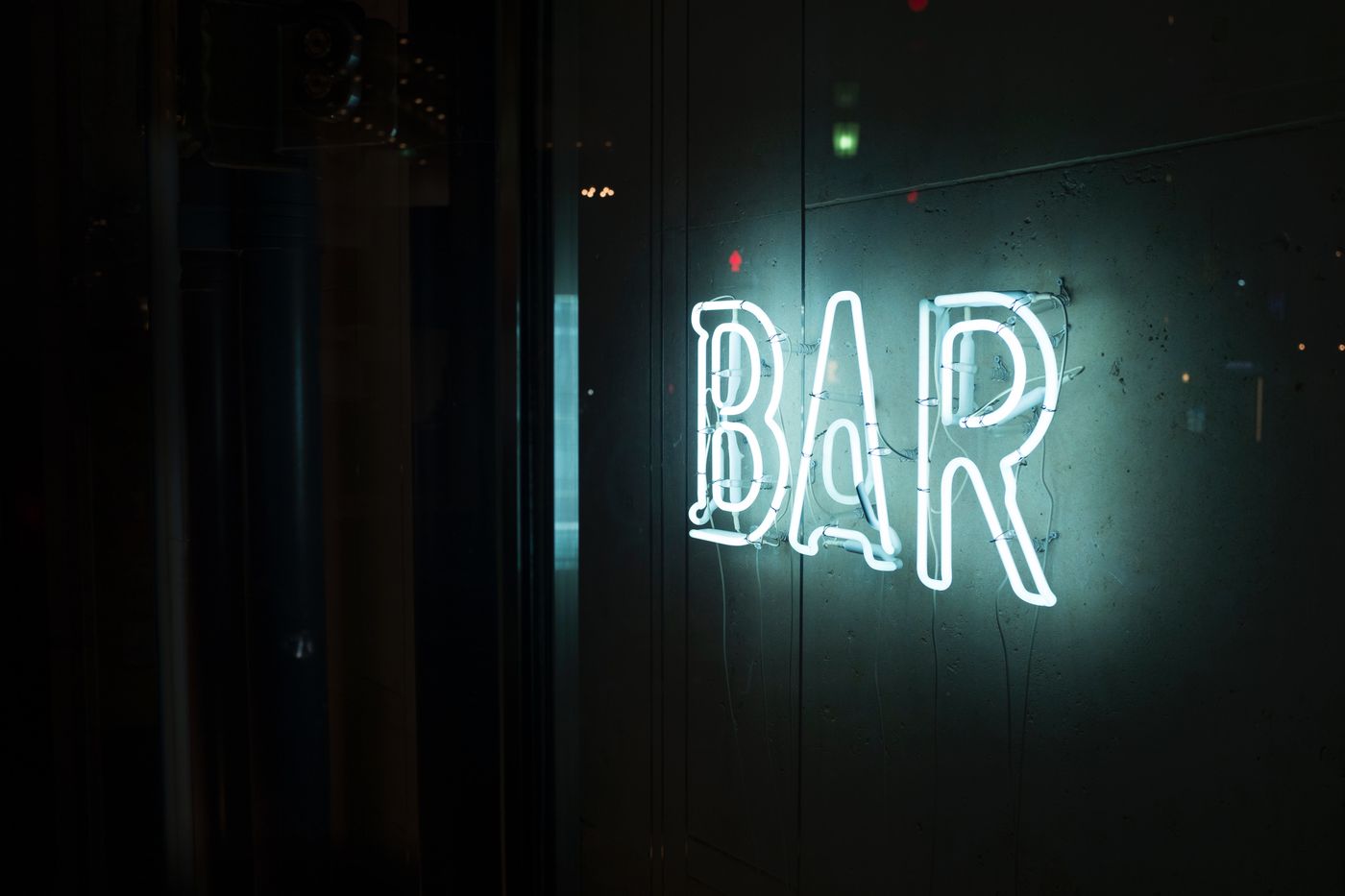
Every fashion house has a customer in mind. Most imagine him at a desk, a wedding, or a gym. Wacko Maria imagines him at a bar around two in the morning, jacket somewhere, collar open, telling a story with his hands while a mambo record plays. The Tokyo label was founded in 2005 by two former professional footballers, Keiji Ishizuka and Atsuhiko Mori, who traded the pitch for a bar of their own before trading the bar for a clothing brand. That sequence explains everything: this is clothing designed by people who ran a room where nights went long, made for the hours their old customers kept.
The house style is instantly legible across a crowded street. Open collar aloha shirts cut with real drape. Leopard print used the way other labels use navy, as a neutral. Souvenir jackets, loafers with no socks in sight, tailoring that expects cigarette smoke. And everywhere the slogan that doubles as a worldview: guilty parties. The name Wacko Maria itself winks at sainthood gone slightly wrong, and the whole project lives in that gap, between the chapel and the bar, which is of course where most interesting people actually live.
What separates the label from every leopard-print imitator is that the prints are made like records. The founders are obsessive music people, and the collections read as liner notes: collaborations with reggae royalty, jazz estates, exotica bandleaders, film directors. A Wacko Maria shirt frequently carries an actual discography reference the way a band tee carries a tour date, and the label runs its own bar in Tokyo, Paradise, where the point is records and rum, not retail. The clothes are merchandise for a lifestyle the founders genuinely keep, which is the only kind of brand storytelling that survives contact with reality.
Readers of this journal's Listening Room will recognize the underlying claim: that music can be a dress code. Exotica, rocksteady, and hard bop all had uniforms, and Wacko Maria essentially reissues them with better fabric. It is the sartorial answer to the kissa, clothing for rooms where the record player outranks the television. The house wears its own version of this uniform on studio nights, and admits the leopard camp collar shirt in its wardrobe gets more compliments than any blazer it owns.
There is a lesson in restraint hiding inside the loudness, and it is why the label belongs in this section beside Margiela and Philo rather than in a trend report. The cuts are conservative: honest collars, true-to-body shoulders, hems where hems belong. All the risk is spent on surface, print and color, and none on silhouette. That is the same budget a good oriental perfume keeps: a classical structure underneath, one loud beautiful material on top. Loud things last when the thing under the loudness is quiet.
The night-time wardrobe is underserved by serious clothing, and that is the gap the label fills. Daywear has centuries of tailoring doctrine; what to wear when the plan is one bar, three friends, and no fixed ending has mostly been left to costume. Wacko Maria treats that hour as worth real cloth and real cutting, the way this house treats it as worth real perfume: our whole Divine Departure editorial is dressed by this label in spirit, rum, open collar, storms commanded softly.
Start, if starting, with one camp collar shirt in the loudest print you can hold eye contact with, worn over the plainest trousers you own. Play the exotica record the shirt was probably named after. The lesson will administer itself by the second song: elegance is not always lowering the volume. Sometimes it is knowing exactly which hour the volume is for.