
The Second Reading Is the First Real One
The first pass is reconnaissance. You were busy finding out what happens. Nearly everything the book actually is waits patiently for you to come back.
Vladimir Nabokov used to tell his students at Cornell something deliberately irritating: that one cannot read a book, one can only reread it. He was not being clever for the sake of it. He meant it mechanically, as a description of what the eye and the mind are actually doing on a first pass through a novel, and he was largely correct.
Here is the mechanism. On a first reading, a very large share of your available attention is committed to the simplest possible question: what happens next. You are tracking who these people are, which of them matter, where this is going, whether the thing on page forty will return. That is navigation, and it is expensive. Working memory is finite, and while it is spent on orientation it cannot be spent on anything else. You are moving through the rooms of the house quickly, finding the exits, forming a floor plan. You are not looking at the rooms.
The counterintuitive experimental support for this arrived in 2011, when Jonathan Leavitt and Nicholas Christenfeld at the University of California San Diego ran a study on spoilers. They gave readers short stories, some with the ending revealed in advance and some not, and found that the spoiled versions were generally rated as more enjoyable, not less. The finding has been argued over and it does not mean suspense is worthless. But it points hard at something real: when the mind is not busy defending itself against not knowing, it is freed to enjoy the writing. Knowing the ending is functionally a second reading, granted in advance.
What the second reading returns to you is structure. Once the plot has stopped consuming resources, the architecture becomes visible: the sentence that was quietly doing three jobs, the image planted two hundred pages before it pays off, the scene that is not about what it appeared to be about. Almost every deliberate craft decision an author makes is invisible during reconnaissance, because craft is designed to be felt rather than noticed. On the second pass, with the map already drawn, you finally get to see the work.
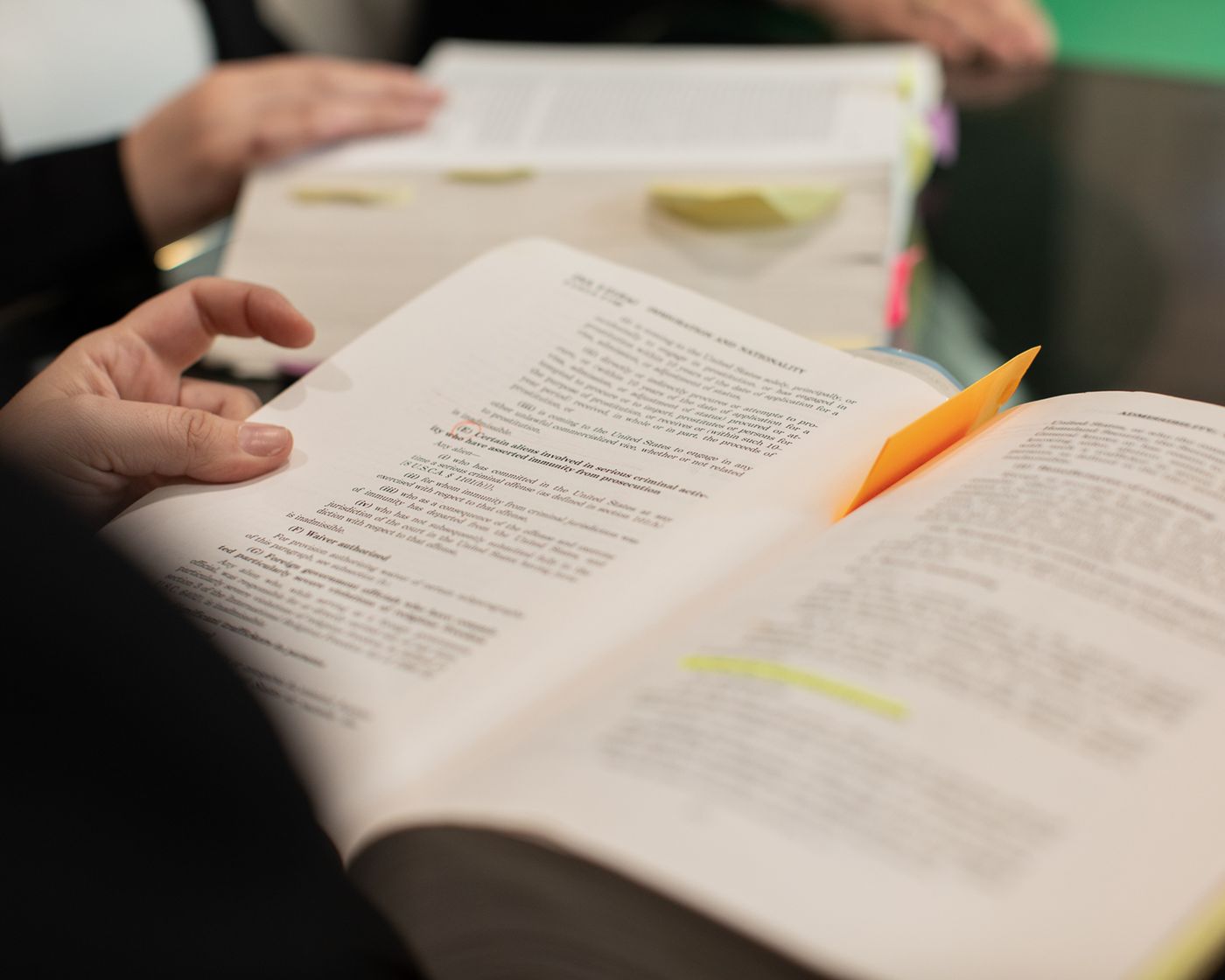
Then there is the other variable, and it is the more interesting one. The book holds perfectly still. You do not. A novel read at twenty and again at forty is not the same novel, because the instrument taking the measurement has been rebuilt in the interval. You have since had the argument the characters are having. You have since lost someone. You have since been the person you found unbearable on the first pass. The text has not moved a millimetre and the experience is unrecognisable.
This is why marginalia matters so much more than it appears to. Your old notes in the margin are a letter from a person you no longer are, written in your own handwriting, which is a strange and useful form of evidence. Some of it will embarrass you. Some of it will be sharper than anything you could produce now. All of it tells you, with an accuracy no journal achieves, what you were paying attention to in a particular year. Keep the same physical copy and date your notes, and a book slowly becomes an instrument for measuring yourself.
Whole traditions are built on exactly this principle. Sacred texts read on annual cycles, the same passages in the same order every year for an entire life, are not designed to deliver new information. Everyone involved already knows what it says. The purpose is to bring a changed reader back to a fixed text at regular intervals and let the difference become visible. It is the oldest technology humans have for noticing their own growth, and it works because the text refuses to move.
The craft parallel is exact, and it is one this house lives inside. The potter throws the same bowl ten thousand times and never makes the same bowl. The musician returns to scales that were mastered decades ago. A perfumer smells the same material for the hundredth time and finds something in it that the previous ninety nine passes did not surface, not because the material changed but because the nose has more resolution now. Repetition is not treading water. It is resolution increasing on a fixed subject.
Which puts rereading distinctly out of step with the way we currently consume anything. Everything is optimised for the new: the feed, the queue, the recommendation, the list of things you have not got to yet. Rereading produces no new item to report, moves no counter, adds nothing to a total. It is, in the strictest sense, unproductive, which is exactly why it has quietly disappeared from most reading lives even among people who read constantly.
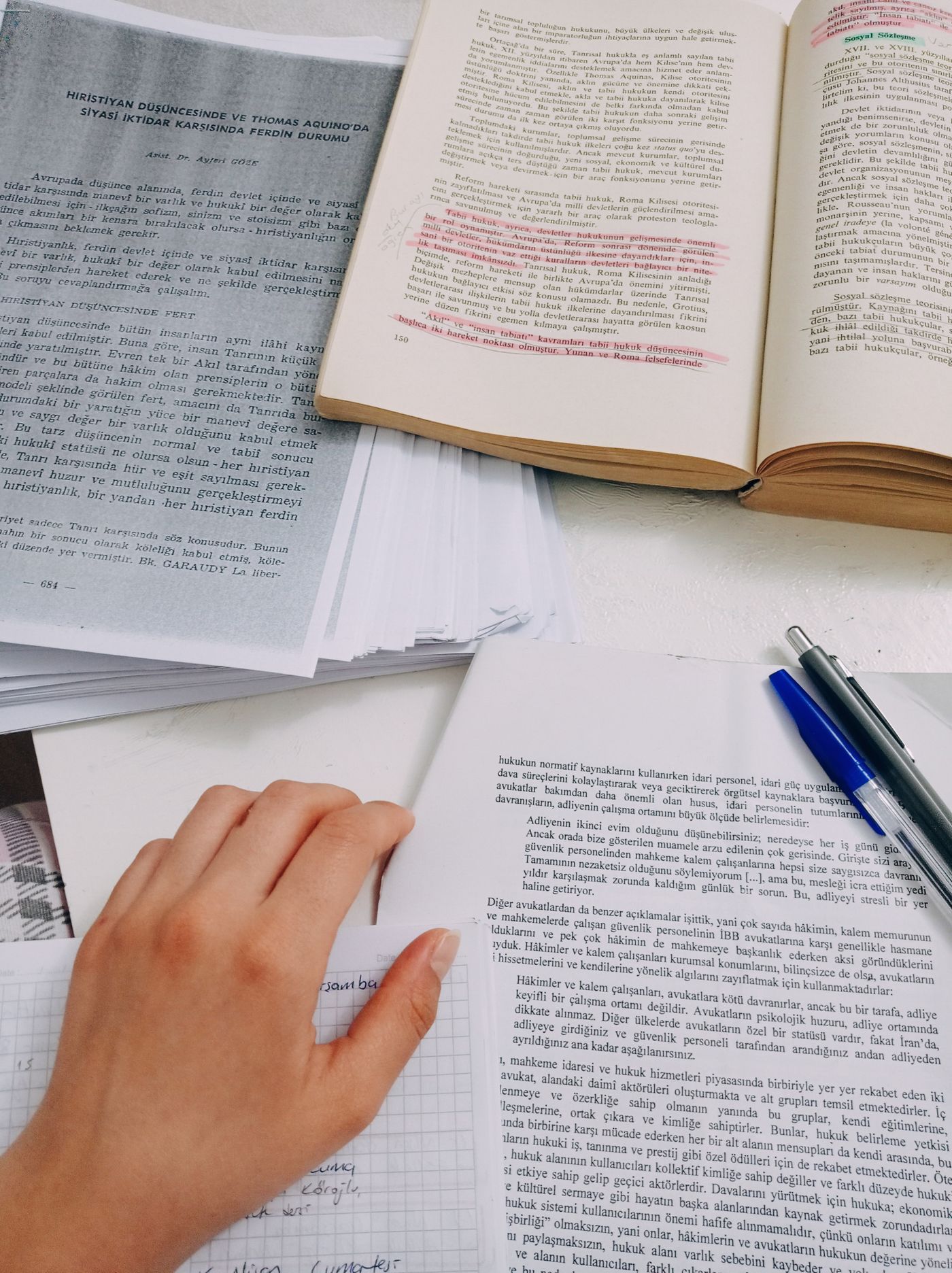
The practical method is unglamorous. Choose one book a year and reread it deliberately. Use the same physical copy so the annotations accumulate in layers. Date every note, even briefly, because the date is doing half the work. Resist the urge to buy a fresh clean edition, which defeats the entire purpose. And do not reread everything, because most books do not deserve it and pretending otherwise turns a discipline into a chore.
The test for which books qualify is simple and reliable. Did the first reading leave a residue you cannot quite put into words? Not a plot you can summarise, not a lesson you can state, but a lingering pressure you have never successfully explained to anyone. That inarticulate residue is the signal that something was operating below the level your attention could reach at the time. That is the book to go back to. The ones you can summarise perfectly are finished with you.
The unread shelf gets all the credit, and deservedly so: the antilibrary, the visible monument to everything you have not learned yet, is a genuinely useful thing to live beside. But the reread shelf is where the education actually happened. It is smaller, shabbier, more broken at the spine, and it contains the handful of books that have been allowed to work on you more than once.
The book you believe you have read is, for the most part, still unread. Go back to it. It has been waiting, unchanged, for the only thing it ever needed, which was a different reader.