
Monocle, on Paper
The magazine as airport lounge for the curious, and the conviction it sells: attention as a way of living.
In 2007, the year the smartphone arrived to finish print off, a magazine launched at newsstand prices that assumed the opposite future: heavy paper, dense type, bureau reporting from cities most weeklies could not place, and a cover price that said keep me. Monocle should not have worked. Nineteen years later it publishes ten issues a year, runs a radio station, shops, cafes and an annual stack of guides, while lighter magazines with better economics evaporated around it. The Pages section takes it up not as media news but as an object lesson: how a printed thing survives is a matter of what it asks of its reader.
The formula is a specific temperature of curiosity. An issue moves from geopolitics to shipping lanes to a Nagoya bakery to embassy architecture to the correct weight of a blazer, all treated with the same unironic seriousness. Nothing is guilty, nothing is a pleasure; it is all simply worth knowing properly. The magazine reads like the departure lounge of a very good airline, full of people mid-journey who find the world interesting on purpose. That tone, interested rather than impressed, is rarer than good writing, and it is the actual product.
The paper matters, and this journal will die on that hill beside it. Monocle prints on stock heavy enough to argue with, mixes uncoated sections into coated ones so your fingers know which kind of story they are holding, and binds it all to survive a year of bags and flights. The notebook essay made the case that paper is a technology with properties screens cannot counterfeit; Monocle is that case at industrial scale. A browser tab asks eight seconds of you. A kilogram of magazine asks a month, and gets it.
Its deeper trade secret is the bureau model. While the industry consolidated into two feeds and a wire service, the magazine kept small offices and stringers in Zurich, Tokyo, Toronto and beyond, and it shows in the verbs: correspondents who live somewhere write differently about it than parachutes do. The house, which runs its own one-man bureau in Jakarta for this journal, recognizes the economics: presence is expensive, which is exactly why it reads as luxury. Quality of attention, again, as the thing actually being sold.
Criticisms exist and the house will not pretend otherwise. The magazine can read as a catalogue for a life that requires a certain income: the correct tote, the correct chalet, the correct mayor. Its optimism about globalized good taste has aged into something almost poignant in a fragmenting world. But even the criticisms concede the central achievement: it made a worldview legible enough to disagree with. Most publications cannot be accused of anything because they believe nothing. Monocle believes in the well-run city, the small shop, the direct flight and the printed page, and says so at full price.
For this house the magazine has been quietly formative. The journal you are reading, with its bureaus of one, its small-caps kickers, its insistence that coffee, cloth, jazz and economics belong in one contents page, owes an unpayable debt to the Monocle proposition that a life is a single curated publication. The unread shelf at the studio keeps a meter of back issues, and they hold up strangely well, because reporting on quality dates slower than reporting on news.
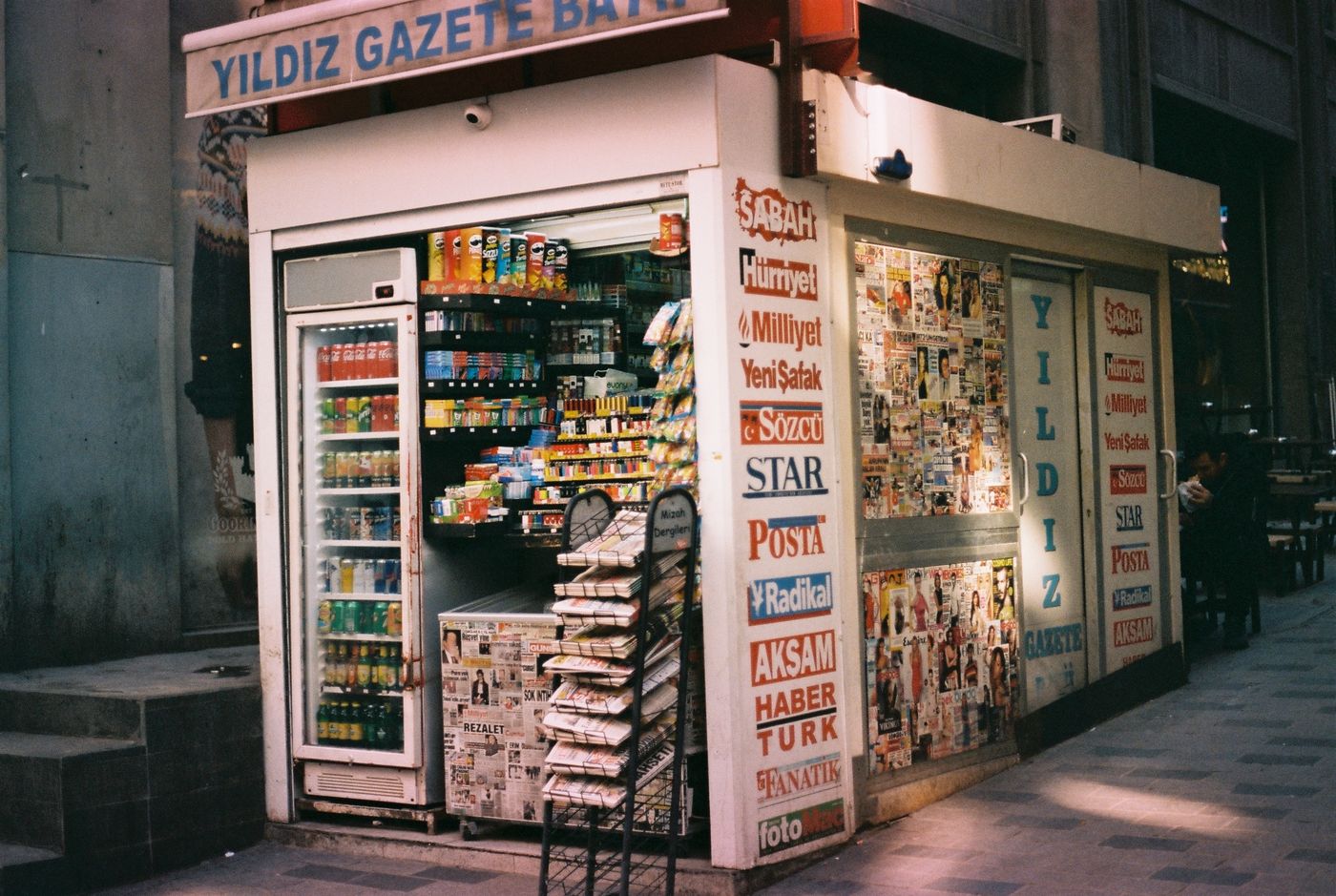
The practice: buy one issue, on paper, at a real kiosk if your city still has one. Read it over a week, out of order, the way it is designed to be read. Notice which pages your fingers return to, because that, not any algorithm, is your actual feed. Then consider the standing subscription, which is not a media purchase but a decision about what kind of attention you intend to keep.