
Maillard, the Chemistry of Delicious
One reaction connects the satay grill, the coffee roaster, the bakery, and half the perfumer's organ. The Curriculum takes on browning.
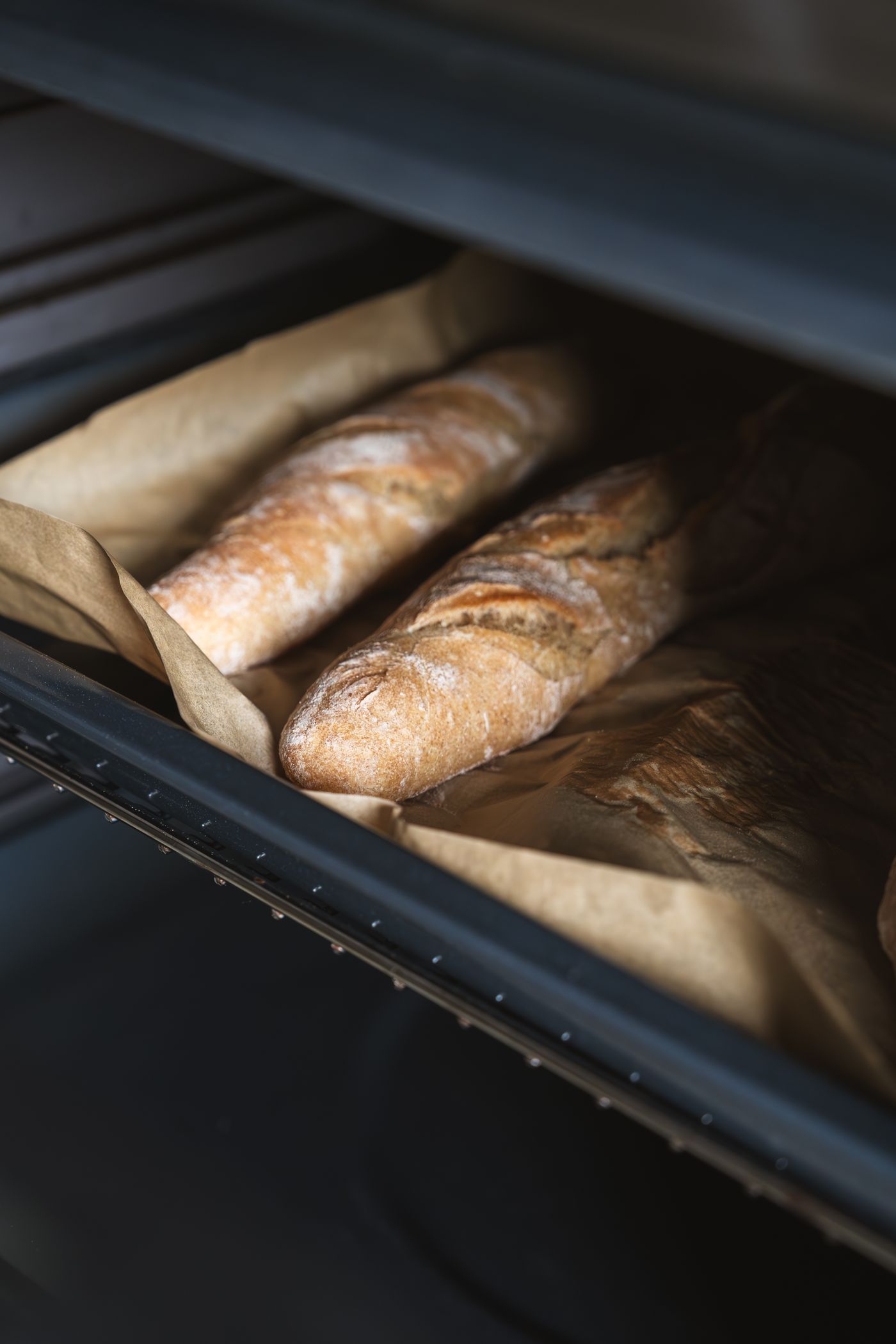
In 1912, a French physician named Louis-Camille Maillard was studying how amino acids behave in the presence of sugars, chasing questions about kidney disease and protein synthesis, and noticed that his heated mixtures kept turning brown and smelling, inconveniently for a laboratory, wonderful. He published, moved on, and died in 1936 without knowing he had described the single most delicious chemical process on earth. The Maillard reaction, as it was later named, is what happens when amino acids and reducing sugars are heated together: a cascade of hundreds of simultaneous reactions producing brown pigments and, more importantly, aroma molecules by the hundred. It is the smell of bread crust, roasted coffee, seared beef, fried shallots, grilled satay, dark beer, soy sauce, and chocolate. Which is to say: it is the smell of cooked, as a category.
The distinction the Curriculum insists on first: browning is not burning, and Maillard is not caramelization. Caramelization is sugar alone decomposing at higher temperatures, a simpler and narrower story. Maillard needs both partners, protein's amino acids and a reducing sugar, and gets going meaningfully around 140 to 165 degrees Celsius, which is why boiled food, capped at water's hundred degrees, stays pale and polite, and why the pan, the grill, and the oven are flavor instruments in a way the pot can never be. The reaction is also why the crust outranks the crumb, the skin outranks the flesh, and the scrapings at the bottom of the pan are worth deglazing: flavor concentrates where the heat met the surface.
What makes the reaction inexhaustible is that it is not one recipe but a combinatorial explosion. Different amino acids plus different sugars at different temperatures, moistures, and acidities yield different molecule families: pyrazines for the roasty notes of coffee and grilled meat, furans and furanones for caramel sweetness, thiophenes for the savory depths, Strecker aldehydes for malty and honeyed edges. Every cuisine's signature browns are local settings of the same universal machine. The satay stall's magic is Maillard run over coconut-shell charcoal with a sweet soy baste, kecap manis feeding extra sugars into the reaction with every brushstroke, the skewer tips charring toward caramel while the meat's amino acids build the pyrazine smoke that carries down the street. Indonesian street food, read chemically, is virtuoso surface management.
The reaction underwrites this journal's existing archive more than any other single idea. The tubruk essay's beans owe their entire aromatic identity to Maillard chemistry in the roaster: green coffee smells of grass and peas, and every note we called chocolate and earth was manufactured in fifteen minutes of controlled browning. The sambal essay's fried shallots and terasi, the char on the highland barbecues, the crust on every loaf worth eating: one reaction, wearing different clothes. Cooking traditions discovered its settings empirically over millennia; chemistry just arrived late with the minutes of the meeting.
Now the disciplinary handoff, because this is a perfume house's classroom. The molecules Maillard builds in a pan are, in many cases, literally the molecules a perfumer buys in bottles. Pyrazines give fragrance its roasted and nutty facets; furanones like the strawberry-caramel furaneol sweeten gourmand accords; maltol and ethyl maltol, the smell of candy floss and baked sugar, are Maillard alumni that built an entire fragrance genre. Every gourmand perfume, every amber with a caramel heart, every composition that smells edible is borrowing the vocabulary of browning, because the human brain files those molecules under nourishment and safety, the oldest positive associations available. A gourmand fragrance is the Maillard reaction abstracted from dinner and worn as memory.
The reaction has shadows, in fairness to the full chemistry. Run too hot or too long, browning tips into burning, bitterness, and genuinely unwanted compounds, and industrial food science spends careers steering between flavor and those limits. The same gradient exists at the bench: roasted facets in a formula behave like heat in a pan, transformative in calibration, ruinous in excess, and the difference between a warm amber and a burnt one is a fraction of a percent. Craft, in both kitchens, is knowing where the reaction stops being generous.
The bench-level summary, in the Curriculum's usual spirit: learn to see browning as composition. The next satay stall you pass is running a molecule factory tuned by three generations; the roaster behind your Gayo beans is a Maillard conductor; and the reason a gourmand perfume can make a stranger hungry is that Louis-Camille Maillard accidentally catalogued the smell of care being applied to food. Chemistry's best lesson for a maker is here: delicious is not a mood. It is a mechanism, and mechanisms can be learned.