
The Reminiscence Bump
Ask anyone over forty to recall their life and the answers cluster, hard, around a single decade. The years between roughly fifteen and twenty five own a permanent share of the mind, and they never give it back.
The experiment is simple enough to run on yourself. Ask an older person to describe the memories of their life, without prompting, and plot when those memories occurred. You will not get an even distribution, and you will not get the smooth decay curve that memory research would otherwise predict. You get a pronounced spike over a narrow window, somewhere between the mid teens and the late twenties, and then relative thinness on either side. Psychologists call this the reminiscence bump, and it is one of the most reliable findings in autobiographical memory.
What makes it remarkable is its stubbornness. It shows up across cultures and continents. It shows up whether you cue people with words, with public events, with films, with books or with music. It shows up in written life narratives and in free recall. Something about that decade is encoded differently, and the profession has spent forty years arguing about which of several plausible mechanisms is doing the work.
The leading explanation is the identity account. Those are the years in which a person is assembling a self: leaving home, choosing work, falling in love, forming political commitments, deciding what kind of person they intend to be. Events that contribute to that construction are more self relevant, get rehearsed more often, and attach to a durable structure rather than floating free. On this reading the bump is not really about age. It is about the period of maximum self definition, which is why it shifts in people whose lives restructured later, for instance through migration.
The competing accounts are not incompatible with it. There is a novelty explanation: that decade is dense with first times, and first experiences are encoded far more richly than the hundredth repetition. There is a neural maturation account, in which the encoding machinery is simply at peak efficiency. And there is the cultural life script, the observation that societies expect certain landmark events, first love, graduation, marriage, first child, to occur in a specific window, and that the shared expectation helps organise recall around it.
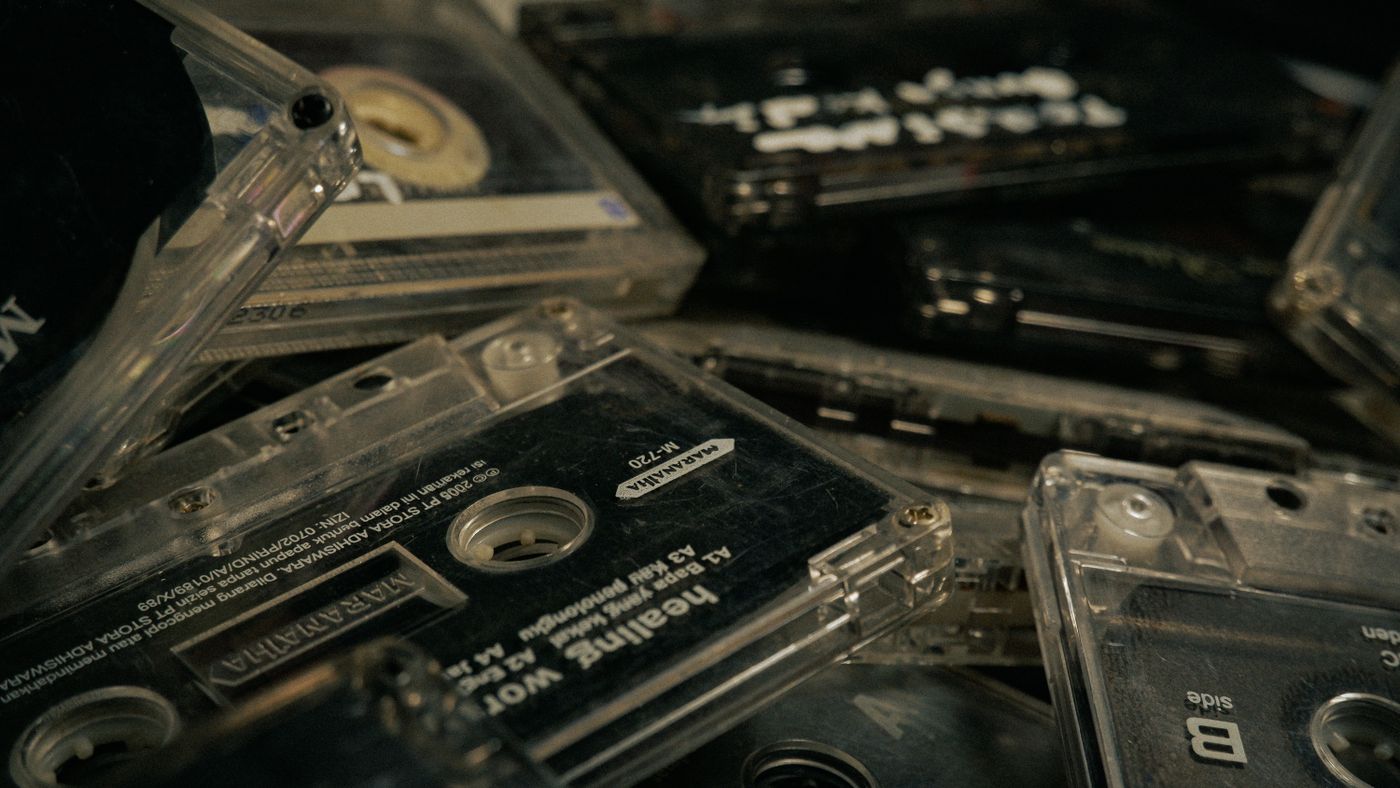
Music is where most people meet this finding without knowing its name. Preference research consistently finds that the songs a person rates most highly across their entire life tend to be those they encountered in adolescence and early adulthood. It is not that the music of one's youth was objectively better, though everyone who lived through it will insist otherwise. It is that it arrived during the window in which sound was being wired to identity. Later music is judged. That music was absorbed.
There is a further wrinkle that anyone with parents will recognise. Researchers have described a cascading version of the effect, in which people show elevated liking for music from their parents' bump as well as their own, presumably because it filled the house during childhood. Taste is inherited more literally than we like to admit, and it is inherited through the room rather than through the genes.
Now the detail that matters most for this house, and it is the one that complicates the tidy story. Odour evoked memories do not follow the same distribution. Where memories cued by words and images spike in adolescence, several studies have found that memories triggered by smell peak considerably earlier, in childhood, often in the first decade of life. Smell reaches back further than any other cue, into a period the verbal memory system barely covers.
Think about what that means in practice. A person's identity forming aesthetic, the music, the films, the clothes, the sense of what is cool, is built in their late teens and early twenties. But their deepest scent memories are older than that, laid down before the self was properly assembled: a grandmother's kitchen, a school corridor, the particular smell of rain on a specific street when they were seven. Two different archives, formed in two different decades, both fully active in the same adult.
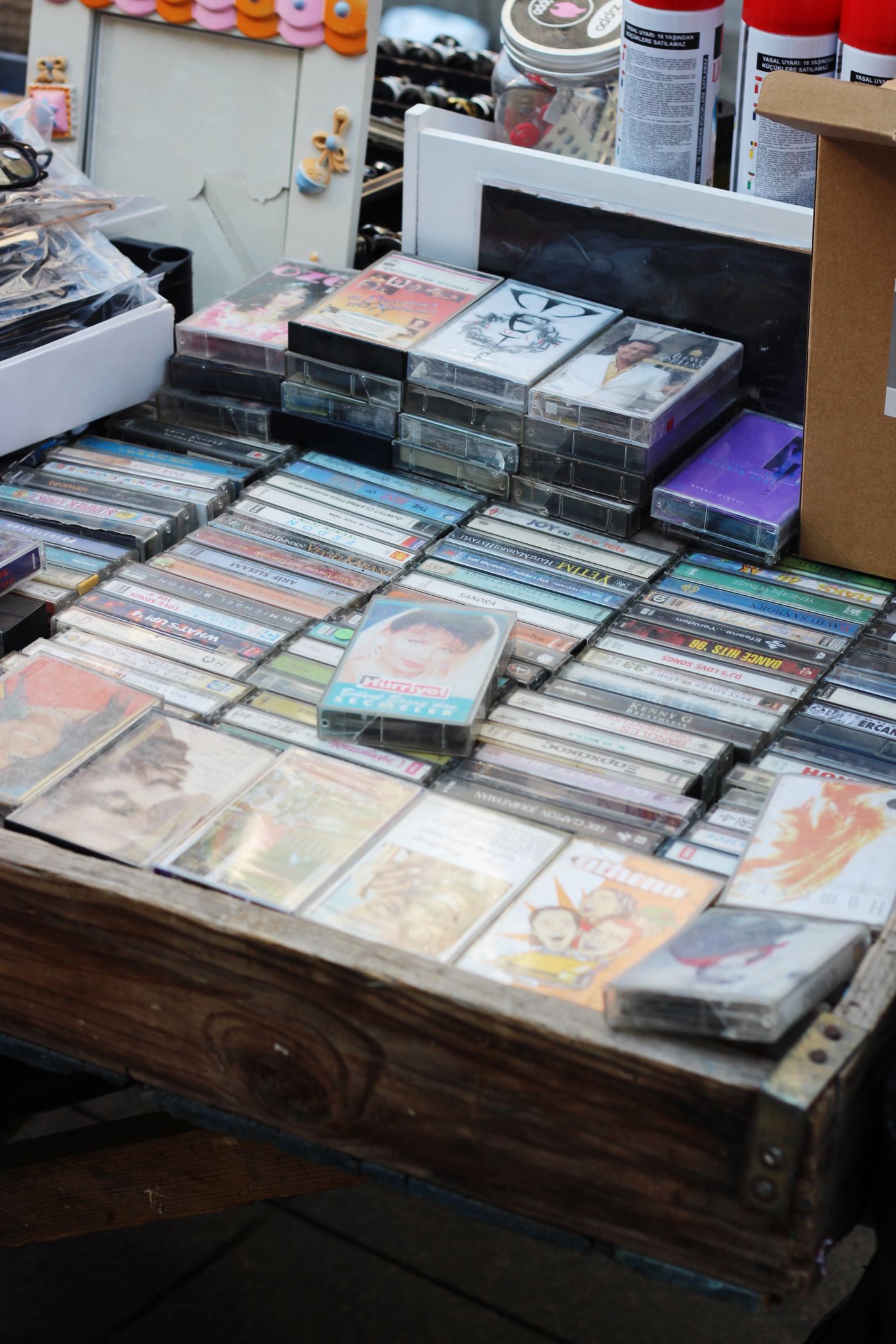
This is why the fragrance industry so often misfires when it chases nostalgia deliberately. Campaigns tend to aim at the adolescent bump, because that is where cultural nostalgia lives and where the references are legible: the music, the films, the decade with a recognisable look. But scent does not open that door. It opens the earlier one, the one before taste existed, and no amount of period styling will make a bottle land there. What lands there is the material itself, the actual smell of tuberose or benzoin or wet stone, arriving without a story attached.
It also explains a common experience that seems paradoxical. People are frequently moved by a fragrance whose reference they cannot identify. They will say it reminds them of something and then fail, sometimes for years, to say what. That is the earlier archive being touched, from a period where the memory was encoded without language because the person did not yet have much. The feeling arrives intact and the caption is missing, permanently.
For anyone making things, there is a practical instruction in all this, and a limit. The instruction is to take the childhood register seriously rather than the fashionable one: the domestic smells, the weather, the food, the materials of an ordinary house. Those are the ones with reach. The limit is that you cannot install a memory in anyone. You are working with archives that were closed decades ago, hoping that some part of what you have made matches something already filed there.
And if you want to know your own bump, the test takes a minute. Name the five songs you would defend to anyone, and check the years. Then name the five smells that stop you where you stand, and check those. The two lists will not come from the same decade, and the gap between them is roughly the distance between who you decided to be and who you were before you had any say in it.