
Van Gelder's Living Room
An optometrist by day recorded the golden decade of jazz in his parents' front room. The room, it turns out, is an instrument.
The most influential recording studio of the twentieth century's greatest jazz decade was a living room in Hackensack, New Jersey, and the engineer worked days as an optometrist. Rudy Van Gelder fitted glasses until five, then went home and recorded Miles Davis, Thelonious Monk, Hank Mobley and Horace Silver on equipment he maintained himself, in the house his parents had obligingly built with a control room where the pantry should have been. Between roughly 1953 and 1959, before he built his purpose-made studio in Englewood Cliffs, the sound of Blue Note, Prestige and half the canon was, in the most literal sense, domestic.
The Sound section has covered the men who made the label's covers and the masters who played the notes; Van Gelder is the third leg of the triangle, the one who decided what the notes would sound like arriving in your room. And his decisions became so canonical that musicians now tune their expectations to them: the close, warm piano with its slight halo, the saxophone breathing directly into your ear, the bass present as a body rather than a rumble, the drums live but never savage. Put on Blue Train and you can identify the engineer within two bars, before you identify the trumpeter. That is a signature, in a craft that officially has none.
His method was proprietary to the point of comedy. Visitors reported white gloves for handling microphones, equipment repositioned before photographs were taken, questions about settings answered with a smile and nothing else. Asked for decades what he did to pianos, he said only that he recorded them. The secrecy was not vanity; it was an accurate assessment that his real instrument could not be copied anyway, because his real instrument was the accumulated judgment of ten thousand placements: this horn, this room, this humidity, this much distance. Craft is the part of a method that cannot be written down. He simply declined to pretend otherwise.
The living room matters to this house more than the mystique. The trade myth says great work needs great facilities: the Paris atelier, the purpose-built lab, the studio with the famous ceiling. Van Gelder's decade says otherwise. The constraint of a domestic room, its size, its furniture, its ordinary walls, became the actual sound of hard bop, the intimacy every audiophile now chases with room treatment and money. The limitation was not overcome. The limitation was the style. Readers of the Reid Miles essay will recognize the pattern: two-color printing became the look; one living room became the sound.
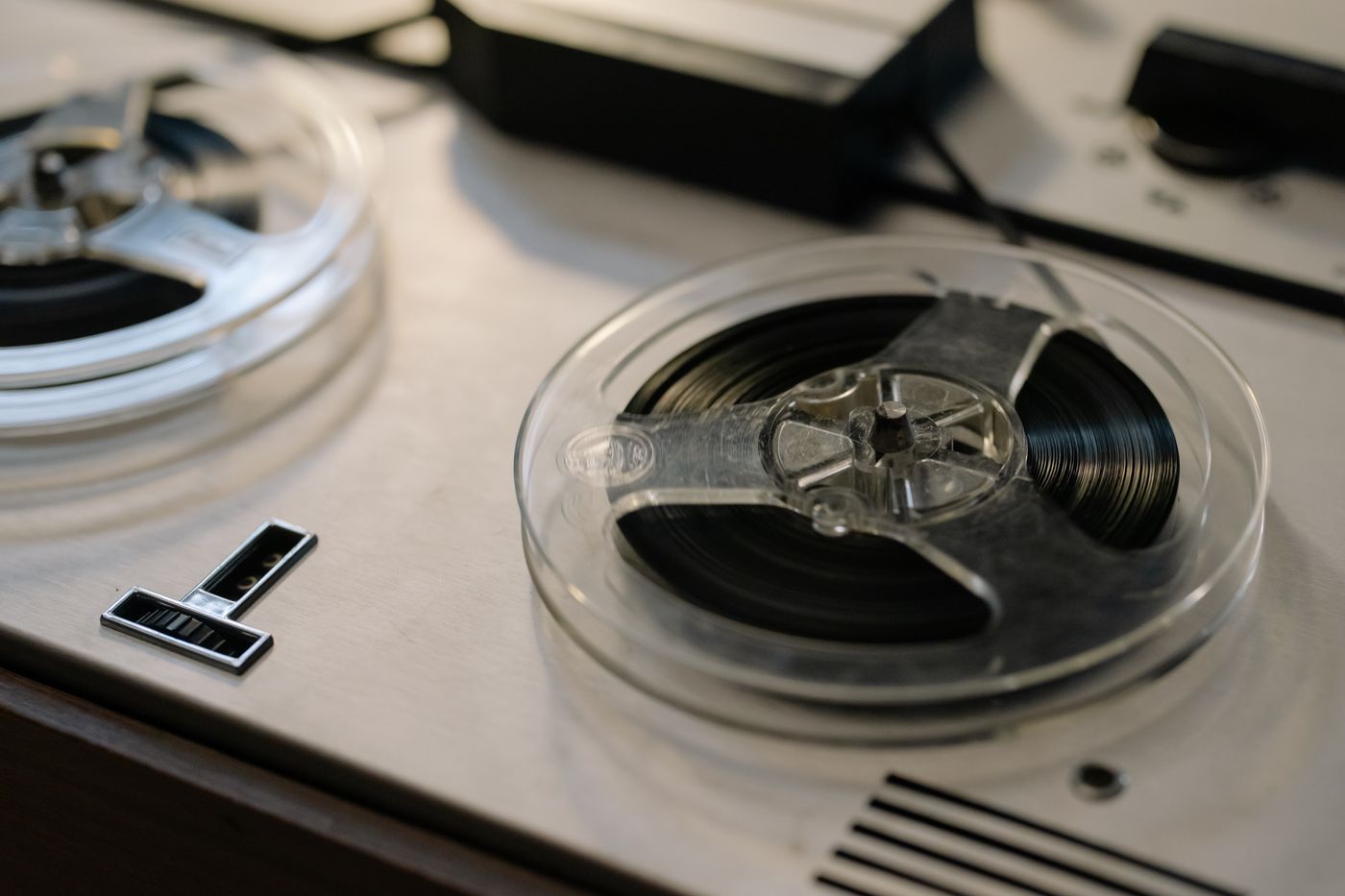
There is also the double life, and the house takes it personally. Optometrist by day, engineer by night, for years, until the recording work could stand on its own. The romantic version of craft says burn the boats; the Van Gelder version says keep the day job and let the craft grow at the speed of real evenings. Half the artisans this journal has profiled, and the house itself in its first years, followed the same schedule. Precision in one discipline fed precision in the other: a man who spent his days measuring tenths of millimeters against the human eye spent his nights measuring inches between a ride cymbal and a ribbon microphone. It is all one temperament.
For a perfume house, the lesson lands directly on the bench. A fragrance, like a record, is always a document of the room it was made in: the humidity, the airflow, the hour, the maker's state of mind get pressed into the master. The house's studio is also a domestic room, and this journal has stopped apologizing for that, on the grounds that Hackensack outperformed every marble facility of its era. What matters is not the room's grandeur but the ten thousand judgments made inside it, and whether one person is there long enough to accumulate them.
Listen for him tonight: Blue Train, Saxophone Colossus, Ahmad Jamal if you have been following this section's older loves. Turn it up slightly past polite and notice how close everyone is standing. That closeness was a decision, made by a man in white gloves in his parents' front room, and seventy years later it is still the temperature the whole genre is served at.