
The Furoshiki: The Anti-Packaging
One square of cloth. The gift wrap, the bag, the scarf, and the argument.
It is a square of cloth, roughly the span of your open arms, hemmed on four sides. That is the entire specification. With one fold and two knots it wraps a gift. With a different pair of knots it carries two bottles, or a watermelon, or the shopping. Tied at the corners it is a bag; over the shoulders, a scarf; on a table, a cloth; framed, a print. The furoshiki has been doing all of this in Japan since roughly the eighth century, when it wrapped clothes at the bathhouse, which is all its name means: bath spread.
Consider what it replaces. Wrapping paper, used for eleven seconds between hand and bin. The gift bag, tissue included, engineered to look generous and be garbage. The plastic bag, the paper bag with the rope handles, the branded box inside the shipping box. Packaging is the industry of first impressions that become landfill by dinner, and the furoshiki is its thousand-year rebuke: a wrapper that is part of the gift, or a wrapper the giver unties and takes home, ready for the next occasion. Either way, nothing is thrown away, because nothing was disposable to begin with.
There is a deeper design lesson folded in, and the modern object world keeps relearning it at great expense. We solve problems by adding: a bag for the laptop, a case for the bag, an organizer for the case. The furoshiki solves by refusing to specialize. It is the least optimized object imaginable, no compartments, no straps, no branding, and precisely because of that it cannot become obsolete. A thing designed for one purpose dies with the purpose. A thing that is merely good cloth, well hemmed, outlives every use anyone has yet invented for it.
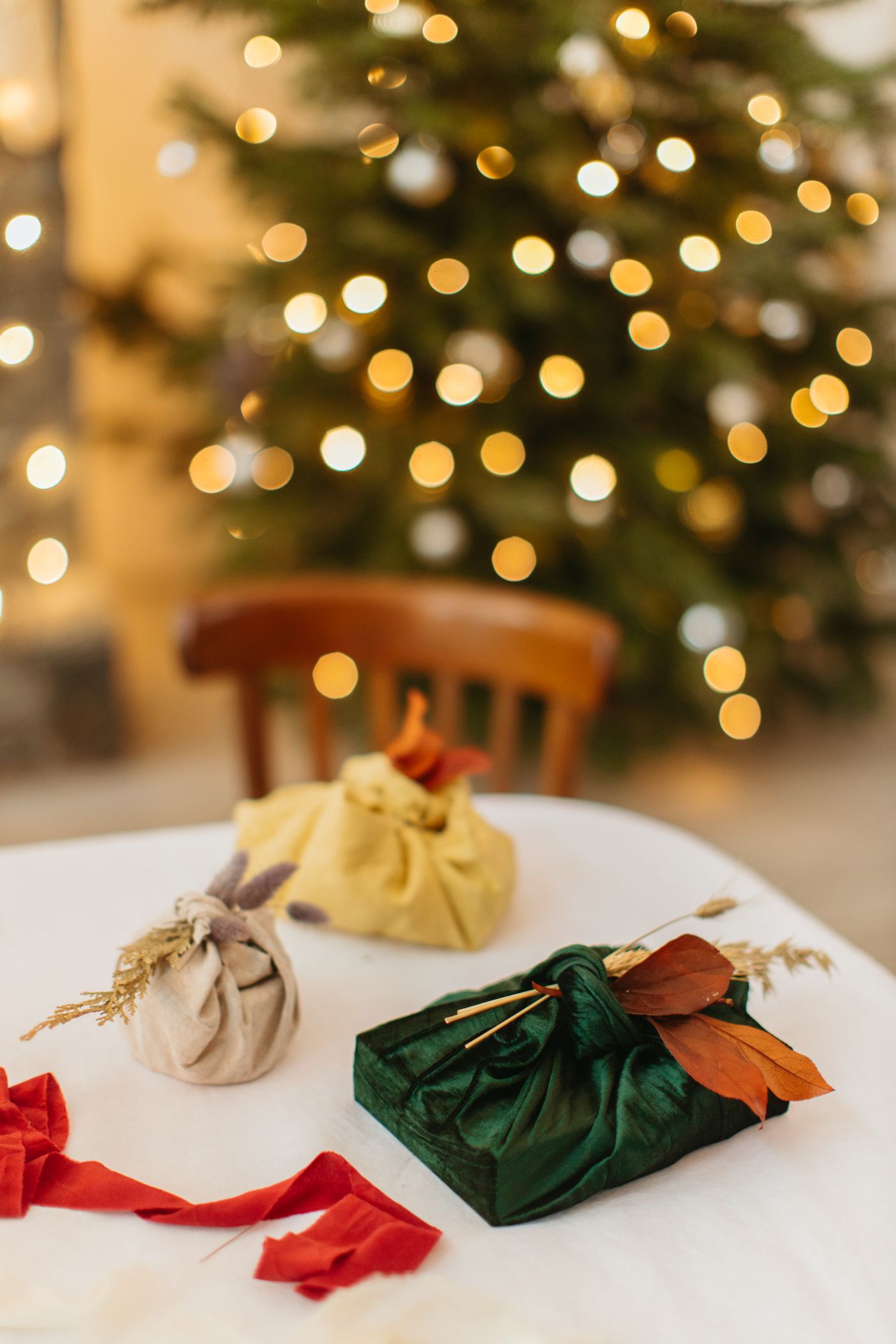
Indonesia, it should be said, never needed the memo: the same intelligence lives in the sarong and in the batik cloth that carries babies, bundles and ceremony in one length of fabric. The islands and Japan arrived at the same conclusion from different directions: that cloth is a technology, and a square of it, honestly made, is the most versatile object a household owns. It sits comfortably beside the notebook in this section: old, simple, and quietly smarter than its replacements.
Practice, since this section believes in homework: buy one good square, cotton or a batik remnant, about a meter. Learn two knots, the basic ma-musubi and the two-bottle carry; the internet will teach you in four minutes. Wrap the next gift you give in it and tell the recipient the cloth is part of the present. You will have handed them an object, a skill, and an argument, in one package that was never packaging at all.