
The Second Fitting
Ready-to-wear sells a garment. Bespoke sells the return visit, and the return visit is where the craft actually lives.
The word bespoke has been marketed to death, it now sells software, sandwiches and haircuts, so it is worth restating what it originally described. On Savile Row, cloth that a customer had chosen was said to be spoken for: bespoken. The term named a relationship, not a price point. A bespoke suit is not an expensive garment; it is a series of appointments, and the appointment that matters most, the one this piece is named for, is the second fitting, when you return to try on something that is deliberately not finished.
The sequence deserves describing, because almost nobody who uses the word has been through it. First comes the measuring and the conversation, twenty minutes of numbers and an hour of questions about how you live: do you drive, do you carry a phone in the breast pocket, do you talk with your hands. From this the cutter drafts a paper pattern, yours alone, and the cloth is cut and basted, sewn loosely with white cotton thread, into something that looks like a suit sketched in three dimensions. The first fitting adjusts the big architecture. Then the coat is often ripped down, literally taken apart, recut, and rebuilt for the second fitting, where the real work happens: the chalk moving over your actual shoulders, the sleeve pitch rotated a few degrees because your right arm hangs forward, the balance dropped an eighth of an inch because you stand into your left hip. Nobody else on earth would benefit from these corrections. That is the entire point of them.
Inside the coat, invisible, sits the engineering that separates the trade from its imitations: a canvas of horsehair and wool, cut on the bias and shaped with an iron, then attached to the front of the coat with rows of tiny hand stitches, padding stitches, thousands of them, each one placed at an angle so the lapel learns a permanent curve. A fused suit, which is most suits, glues its front together and eventually bubbles. A canvassed coat drapes, breathes, and molds to its owner across years, becoming more theirs with wear, the sartorial equivalent of unlacquered brass. Readers of this journal will recognize the pattern by now: the value hides in the layer that never shows.
The Row itself is worth a paragraph of respect. Henry Poole, founded 1806, dressed Napoleon III and invented the dinner jacket. Anderson & Sheppard built the soft, draped silhouette that Fred Astaire danced in. Huntsman cuts the structured, one-button equestrian line that a film franchise later borrowed for its spies. Each house guards a silhouette the way perfume houses guard accords, and apprenticeships still run years long: a coat-maker learns coats, a trouser-maker trousers, and the cutter, the figure who drafts the pattern and commands the fittings, carries the house's whole taste in a piece of chalk.
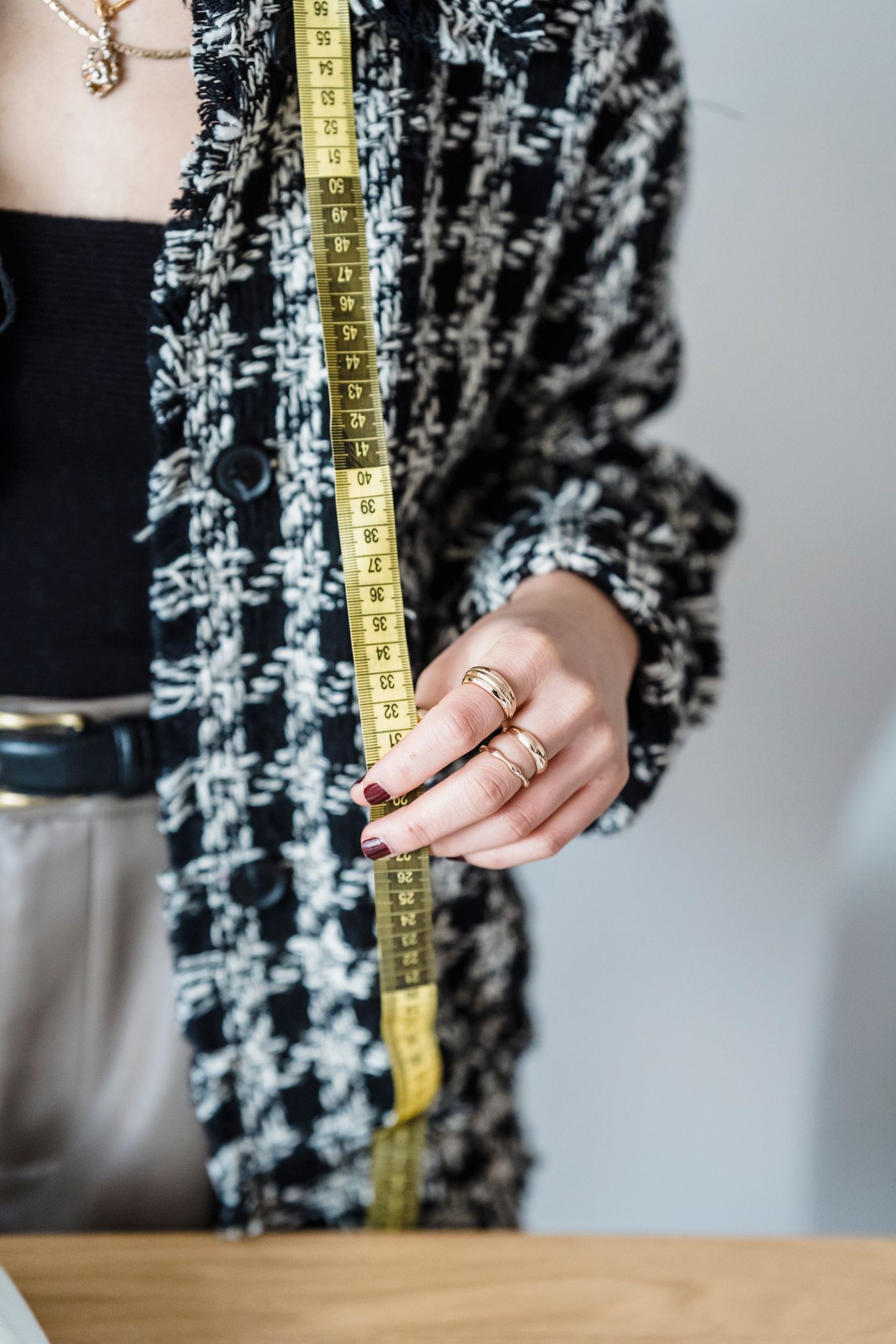
Indonesia has its own version of this covenant, and this journal already visited it in the Gunawarman fitting: the tailors of south Jakarta working the same ritual at Jakarta prices, first fitting, basted try-on, chalk, patience. The geography changes; the covenant does not. A tailor anywhere who asks you to come back twice is making you the same offer Savile Row makes: that the garment should be corrected against your body and your habits, not the other way around.
Which brings the house to its confession of interest. Our Sartorial fragrances, Diplomatique, Vertige, Gunawarman, are named for this trade because the composition process is structurally identical. The formula on paper is the pattern. The first trial on a blotter is the basted fitting, approximate, informative, disposable. And the second fitting is the skin: the same liquid worn by different bodies pitches differently, drapes differently, needs its balance dropped an eighth of an inch. A serious perfumer adjusts for that the way a cutter adjusts a sleeve, which is why small houses fit better, fewer clients, more fittings.
The practical takeaway costs nothing: whatever you wear, adopt the second fitting as a habit. Buy less, then take what you buy to a tailor and have it corrected to your actual body, the half-inch off the sleeve, the waist brought in, the trouser broken correctly over the shoe. The garment industry's secret is that fit outranks price by an enormous margin, and fit is purchasable by appointment. Spoken for: the phrase was always about the relationship. Everything else is fabric.