
The End of History Illusion
Everyone agrees they have changed enormously in the past ten years. Almost nobody expects to change much in the next ten. Both cannot be true, and the error repeats at every age.
In 2013 Jordi Quoidbach, Daniel Gilbert and Timothy Wilson published a study in Science using data from roughly nineteen thousand adults between eighteen and sixty eight. The design was simple. Some participants were asked how much their personality, values and preferences had changed over the previous decade. Others were asked how much they expected those same things to change over the coming decade.
The two groups did not match. At every age, the amount of change people reported having undergone was substantially greater than the amount that people of the same age predicted they would undergo. Eighteen year olds knew they had transformed since eight and expected relative stability by twenty eight. Fifty year olds reported real change since forty and anticipated little by sixty. The gap persisted across the entire lifespan. The authors named it the end of history illusion: the conviction, held at every stage, that one has just now arrived at the person one is finally going to be.
What makes the finding difficult to dismiss is the sample size and the fact that the error is not about ignorance. These are not people who fail to recognise that humans change. They demonstrate that recognition in the very same survey, accurately, about their own past. They simply decline to extend it forward, and they decline at eighteen, at thirty five and at sixty with equal confidence.
The explanation the authors favour is unromantic and probably right. Remembering is easy and imagining is hard. Recalling how you have changed requires retrieval, which the mind is good at. Predicting how you will change requires constructing a person who does not yet exist, which is effortful and produces thin results. When the construction comes back sparse, we do not conclude that our imagination is limited. We conclude that there is not much coming.
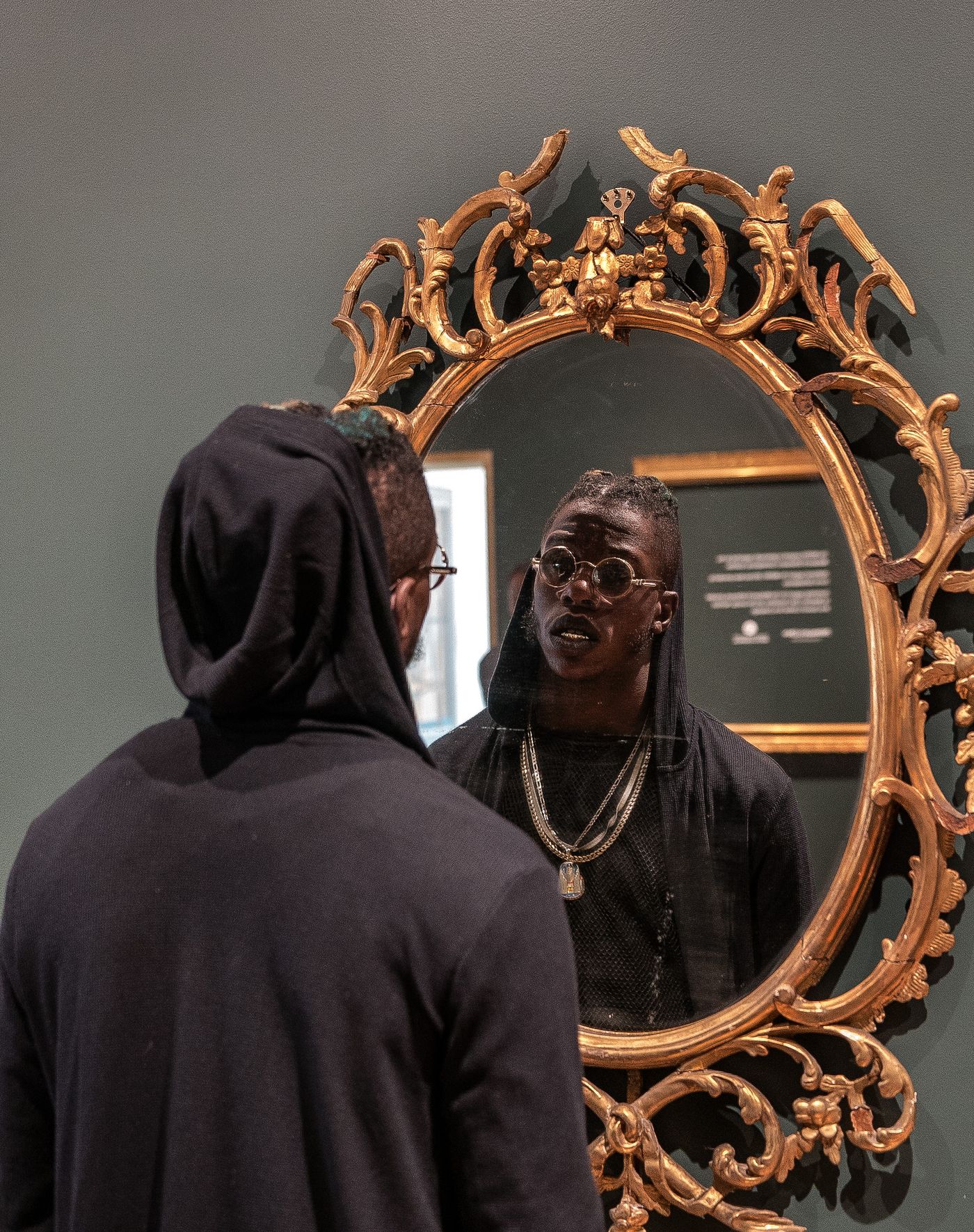
The costs are real and measurable. The same researchers found that people were willing to overpay to see their current favourite band perform a decade in the future, spending as though their taste in music were a permanent feature rather than a temporary one. It is the same arithmetic behind a certain amount of tattoo regret, and behind decisions with long horizons made on the assumption that the person living with the consequences will have identical preferences to the person choosing.
For anyone who accumulates objects, the implication is direct and slightly uncomfortable. Every large purchase intended to last is a bet placed on a stranger. The hundred millilitre bottle is a commitment made by a person who will not be the one finishing it. This is not an argument against buying things you love. It is an argument for noticing that the arithmetic contains a hidden assumption, and for treating that future person with a bit more generosity and a bit less certainty than the illusion encourages.
Which brings the argument to the idea of a signature scent, and to a genuine tension in how the fragrance world talks about itself. The signature is a romantic and durable notion: one fragrance, worn for decades, becoming inseparable from a person, recognised by everyone who knows them, worn to their own funeral by everyone who attended. It is a lovely story, and it assumes a fixed self of exactly the kind this research suggests does not exist.
The honest version is more interesting. People who genuinely wear one scent for thirty years usually did not choose it at twenty five and hold on. They found it later, often in their forties, after long drift, and what looks like constancy is in fact the end of a search. The signature is generally a destination, not a starting position, and advising a young person to choose theirs now is advising them to stop travelling before they have seen anything.
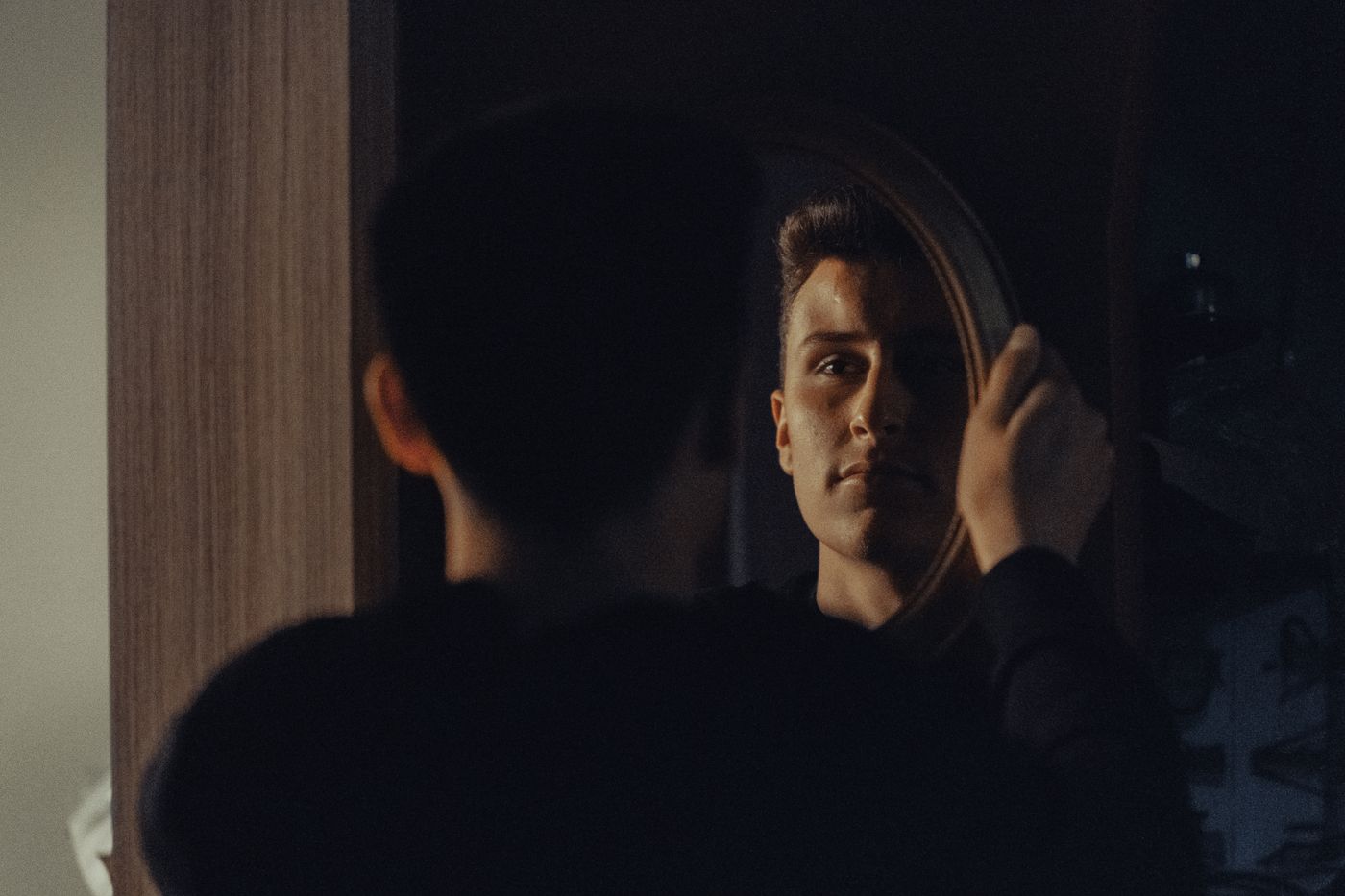
The wardrobe idea, which this house has argued for elsewhere, is really the end of history illusion taken seriously and turned into a practice. A wardrobe assumes that the wearer contains several people already and will contain several more. It permits a scent for the version of you that goes to funerals and a different one for the version that travels alone, without requiring you to decide which of them is the real one. It is the humbler position, and it happens to match the evidence.
There is a version of this for anyone who makes things too. A maker's taste is not fixed either, which means the work you are certain about now will be looked at, by you, by someone who disagrees. The usual reactions to that are to freeze, refusing to commit to anything, or to defend the old work indefinitely as if consistency were the same as integrity. Both are the illusion in different clothes. The alternative is to make the best decision available with the current instrument, sign it, date it, and expect to have moved by the time anyone else notices.
There is also something quietly consoling in all this, which the framing as a bias tends to obscure. If the illusion is real, then anyone currently certain that this is simply who they are now, with these limits and this taste and this amount of courage, is almost certainly wrong. The person reading this in ten years will have different opinions, different favourites, and a different sense of what matters, arrived at by a route that cannot presently be imagined. That is the finding. Not that you cannot predict yourself, but that you have consistently underestimated how much is still to come.
The practical instruction is small. Date things. Keep the notes, the bottles, the marginalia, the record of what you liked and when, because the only way to see the change is to have left evidence for the stranger who arrives later. He will not remember being you, and he will be interested to find out that he was.