
The Lipstick Effect
In every downturn since 1929, people stopped buying the large thing and started buying the small beautiful one. The pattern is real, it is nearly a century old, and it has almost nothing to do with vanity.
In the autumn of 1929 the American economy fell off a cliff. Banks closed, factories emptied, and for most households the future contracted to the width of a week. In the middle of that collapse, one category of spending did something strange. Cosmetics sales did not merely hold. They rose. Across the early years of the Depression, while nearly every discretionary purchase was abandoned, women kept buying, and in some years bought more of, the small painted objects that cost less than a meal out.
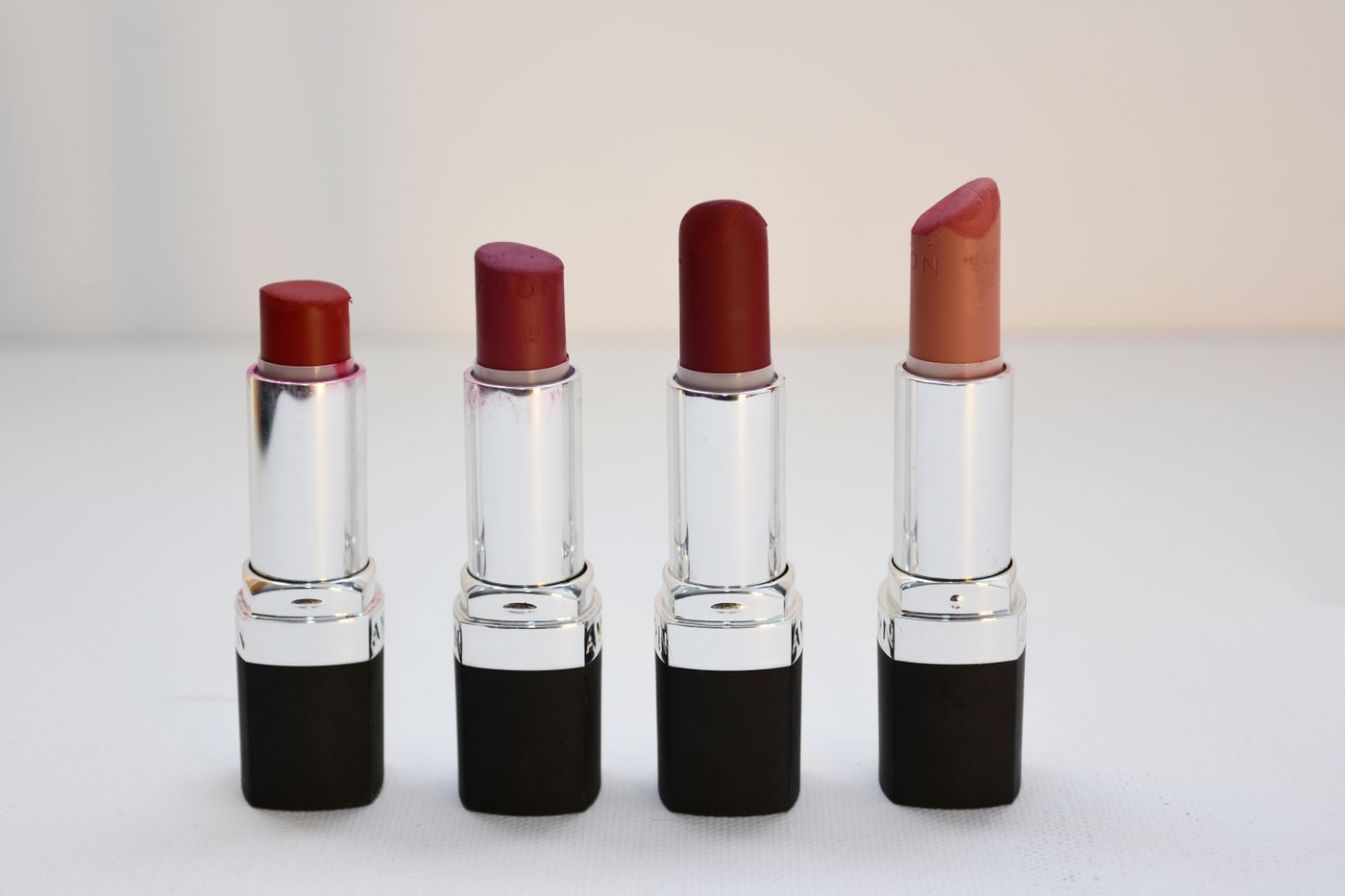
The observation got its modern name much later. After September 2001, Leonard Lauder, then chairman of Estée Lauder, noticed lipstick sales climbing while almost everything else in the economy fell, and called it the Lipstick Index. Economists have spent the years since arguing about the data, and they are right to: the numbers are messier than the story, the effect appears in some recessions and not others, and category definitions shift under the analyst's feet. But something keeps reappearing underneath the argument, and it is more interesting than the index itself.
The clearest evidence is not American at all. It is British, and it is wartime. Under rationing, cosmetics were restricted and most production was converted to the war effort. But the restriction was deliberately incomplete. Lipstick in particular was treated as something close to morale infrastructure, and women working long shifts in munitions factories wore it as a matter of routine. The reasoning was not that appearance mattered more than steel. It was that a population which has given up every small pleasure is a population that has begun to give up.
That is the actual mechanism, and it is worth stating plainly. When the large purchases become impossible, when the house and the car and the year abroad have all quietly left the table, the small affordable object is asked to carry the entire weight of a person's self-respect. It is not a substitute for the house. Nobody is confused about that. It is a refusal to become a person who owns nothing beautiful.
Indonesia has its own version of the lesson, and anyone who lived through 1997 and 1998 remembers the shape of it. When the rupiah came apart, households did what households do: the big items went first, the plans were shelved, the travel evaporated. What did not disappear was the small ceremony. The good soap. The kretek at the end of the day. The visit to the salon before Lebaran, cut down in scale but not cancelled. The instinct was not denial. It was a decision about which parts of a life are load-bearing.
In fragrance the pattern has a precise signature, and any small house can watch it happen in real time. In a lean year the hundred millilitre bottle stops moving. The ten millilitre decant flies. Discovery sets, once treated by the industry as a marketing cost, quietly become a business line. An entire secondary economy exists now around splits and decants and five millilitre atomisers, where people buy a tenth of a bottle at a time, and it is not a niche curiosity. It is the lipstick effect, translated into millilitres.
Then 2020 arrived and inverted the whole thing. Masks made lipstick invisible, and lipstick sales collapsed in a way no previous downturn had produced. But the underlying instinct did not vanish; it migrated. Skincare rose. Candles rose. Fragrance rose, notably among people who were not going anywhere and had nobody to smell it. That last detail is the most revealing fact in the entire century of data, because it removes the last trace of the vanity explanation. Scent bought for an empty apartment is not display. It is a person insisting, to nobody, that this is still a life with texture in it.
Which is why the effect is better understood as something other than an economic curiosity. It is the smallest affordable act of self-authorship, and it will move to whatever channel remains open. Cover the mouth and it goes to the eyes. Empty the streets and it goes to the room. Take away the room and it will find the wrist.
For a house that makes things, there is a practical instruction buried here, and also a trap. The instruction is that your customer in a hard year has not disappeared. They have changed denomination. The honest response is to offer the smaller unit properly, at a fair price, without treating it as a lesser transaction. The trap is the obvious one: an effect this reliable can curdle into a marketing technique, an encouragement to spend what a person does not have on the grounds that it is only small. A house that respects the people it sells to will offer the sample without shame, price it honestly, and never pretend the small beautiful thing is a substitute for security.
There is a final observation that has nothing to do with commerce. What a person buys in a lean year tells you more about them than anything they buy in a comfortable one. The comfortable purchase is padded by surplus; it can be careless, or aspirational, or simply noise. The lean year purchase has been weighed. It survived a comparison against groceries. Whatever a person keeps buying when there is very little left is, by definition, the thing they actually value, stated in the only language that cannot be faked.
So the next time the numbers turn and the commentary starts, ignore the index and watch the counter. It will be busier than the headlines suggest, and the people standing at it will not be frivolous. They will be doing the oldest arithmetic there is, working out exactly how little it costs to remain themselves.