
Sei Shōnagon Invented the Listicle
A Heian court lady beat the internet to its favorite format by a thousand years.
Around the year 1002, a lady-in-waiting at the Japanese imperial court was given a bundle of expensive paper and no instructions. Sei Shōnagon filled it with whatever crossed her mind: gossip, complaints about badly dressed men, notes on the moon, and above all, lists. Elegant Things. Hateful Things. Things That Cannot Be Compared. Rare Things. Things That Quicken the Heart. The Pillow Book was never meant for publication, which may be why it is still alive while a millennium of official literature sleeps.
Read her lists today and the shock is not that they are old. It is that they are the exact format your feed runs on. Short, numbered by implication, ruthlessly subjective, built from tiny concrete observations: sparrows feeding their young, the sound of rain when you cannot sleep, a lover leaving without fuss at dawn. Swap the palace for an apartment and half her entries could be posted tonight without edits. The listicle was not invented by an editor chasing clicks. It was invented by a woman paying very close attention to her own life.
But hold her version next to ours and the differences start to sting. Her lists rank nothing and sell nothing. They are not ten tips, they promise no outcome, they end without a call to action. The modern listicle borrows her form and reverses her intent: it uses the list to save you from paying attention, compressing the world into content that can be consumed while waiting for something better. Shōnagon used the list to slow the world down, to give one sparrow, one dawn, one specific irritation its own numbered line, as if entering it into evidence.
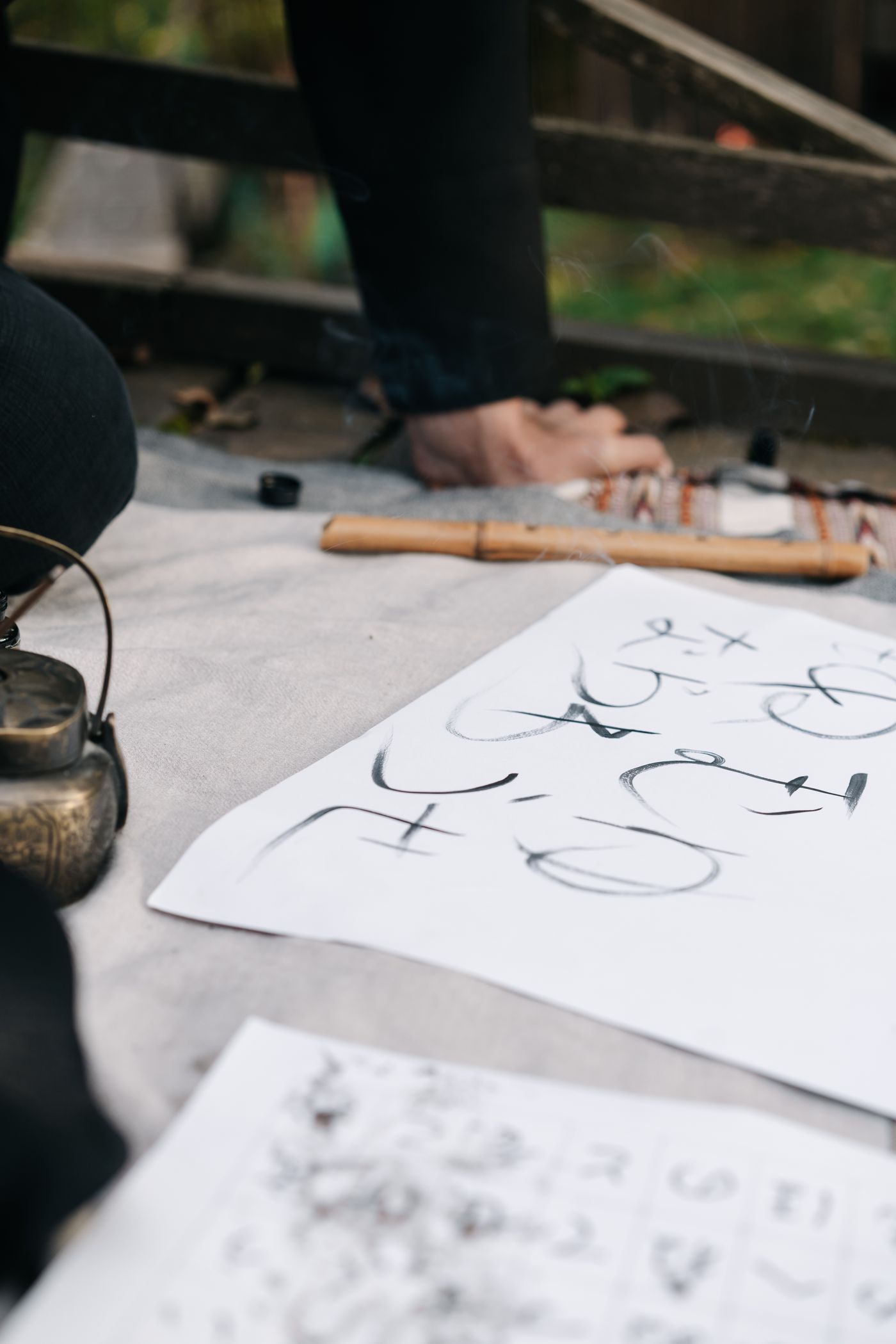
She also had range the format has since lost. The same notebook that lists Depressing Things pivots to a cutting portrait of a rival, then to the exact quality of frost on a bridge before anyone else is awake. It sits comfortably beside the rest of the shelf this journal defends: books that prove the fragment, done honestly, outlasts the treatise.
The house recommends the obvious experiment. Buy a notebook, or open the notes app if you must, and keep one Shōnagon list for a month. Things That Quicken the Heart, your version. The rules are hers: concrete, specific, no explanations, no audience. It is the cheapest taste training that exists, and it is where this house's perfumes technically begin, because a formula is only a list of things that quickened somebody's heart, entered into evidence one material at a time.